Yuta Yamamoto1 · Katsuya Narumi2 · Naoko Yamagishi1 · Yasunori Yonejima3 · Ken Iseki2 · Masaki Kobayashi2 · Yoshimitsu Kanai1
Received: 22 July 2024 / Accepted: 24 January 2025 / Published online: 3 February 2025 © The Author(s) 2025
Abstract
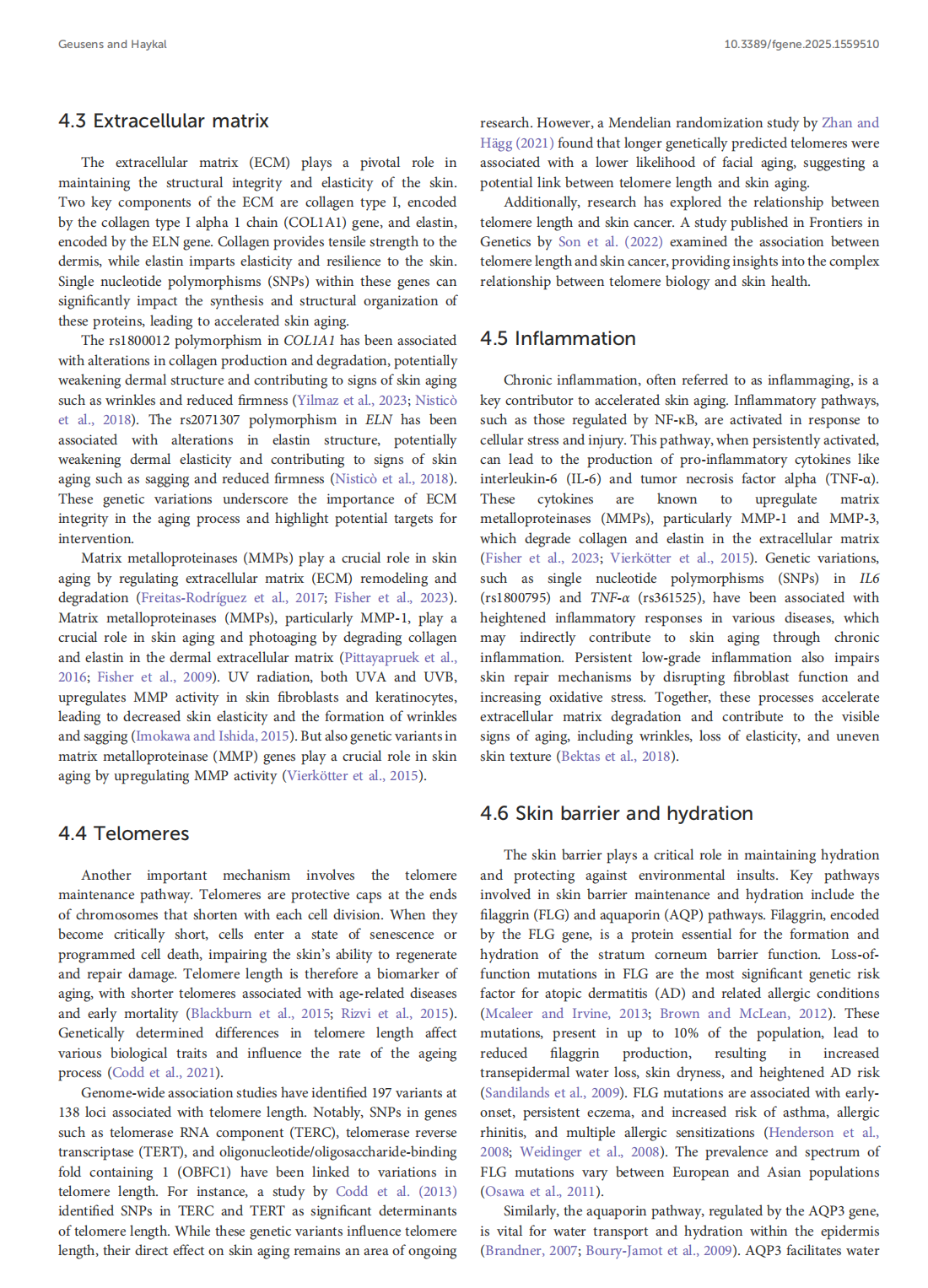
Aims The oral administration of linoleic acid immediately before glucose tolerance test (OGTT) ameliorated postprandial hyperglycemia via GPR120 pathway in normal and type 1 diabetes (T1DM) rats. Linoleic acid could promote inflammatory mediators, but 10-hydroxy-cis-12-octadecenoic acid (HYA) converted from linoleic acid by Lactobacillus plantarum has higher GPR120 agonistic activity without promoting inflammatory mediators. This study examined whether the oral-admin-istration of HYA immediately before OGTT also ameliorated the postprandial hyperglycemia in normal rats and T1DM rats injected with bolus insulin.
Methods Normal and T1DM male Sprague-Dawley rats received HYA immediately before OGTT. Other T1DM rats were given HYA and Humulin R immediately before OGTT. We measured the concentration of glucose, insulin, glucagon-like peptide 1 (GLP-1) and cholecystokinin in blood before and after OGTT. We also measured the amount of glucose in the gastric tract after OGTT, and the amount of uptake of methyl-α-D-glucopyranoside in CACO-2 cells.
Results Postprandial hyperglycemia was ameliorated by HYA in normal rats, and the postprandial blood glucose levels were slowly elevated by HYA in the T1DM model rats. HYA partially inhibited the uptake of methyl-α-D-glucopyranoside in CACO-2 cells. HYA slowed gastric motility and increased the plasma GLP-1 and cholecystokinin levels in normal rats. HYA also ameliorated the postprandial hyperglycemia in T1DM rats given bolus insulin.
Conclusion Oral administration of HYA immediately before OGTT ameliorated postprandial hyperglycemia through inhibi-tion of glucose absorption and slowing of gastric motility in normal rats. Furthermore, this beneficial effect of HYA was also revealed in T1DM rats injected with bolus insulin.
Keywords HYA · Postprandial hyperglycemia · GLP-1 · CCK · Type 1 diabetes mellitus
Lin Liao1 · Qiming Xu2 · Jie Xu3 · Jie Chen1 · Wenrui Liu1 · Wenhao Chen1 · Yunqing Tang1 · Lianxiang Duan1 · Yue Guo1 · Ziyang Liu1 · Pengyu Tao2 · Yu Cao2 · Jianrao Lu1 · Jing Hu1,4
Received: 14 June 2024 / Accepted: 31 January 2025 / Published online: 13 February 2025 © The Author(s) 2025
Aims One of the primary pathological features in the early stages of diabetic nephropathy is mesangial cell (MC) hypertro-phy in the glomerulus. Considering the role of E3 ubiquitin ligases in regulating MC hypertrophy, the aim of this study was to identify the functional ubiquitin protein ligase E3 component N-recognin 5 (UBR5) during MC hypertrophy under high glucose conditions.
Methods Human MCs (HMCs) transduced with UBR5 silencing or overexpression vector were treated with high glucose, AKT inhibitor, or glycolysis inhibitor. Cell proliferation, cell cycle, hypertrophy and glycolysis were evaluated in the HMCs after indicated treatment. m6A methylated RNA immunoprecipitation, luciferase reporter assay, and RNA immunoprecipi-tation were performed to determine the regulation of UBR5 by Wilms tumor 1-associating protein (WTAP)/insulin-like growth factor 2 mRNA-binding protein 1 (IGF2BP1) induced m6A modification. Western blot was performed to determine the protein expression levels.
Results UBR5 expression was upregulated in db/db mice and in high glucose-induced HMCs. UBR5 silencing inhibited high glucose-induced HMC cell cycle arrest, cell hypertrophy, and glycolysis. UBR5 facilitated HMC hypertrophy and gly colysis by promoting the phosphorylation levels of AKT. Additionally, the promoting effect of glycolysis on cell hypertrophy were also elucidated. Further investigation into upstream regulators revealed that WTAP promoted m6A modification of UBR5 through the m6A reader IGF2BP1.
Conclusions Our study unveils a novel mechanism involved in high glucose-induced cell hypertrophy, offering new insights into the understanding and treatment of early pathological mechanisms in diabetic nephropathy.
Keywords High glucose · Hypertrophy · Glycolysis · UBR5, AKT phosphorylation
伤口世界平台生态圈,以“关爱人间所有伤口患者”为愿景,连接、整合和拓展线上和线下的管理慢性伤口的资源,倡导远程、就近和居家管理慢性伤口,解决伤口专家的碎片化时间的价值创造、诊疗经验的裂变复制、和患者的就近、居家和低成本管理慢性伤口的问题。
2019广东省医疗行业协会伤口管理分会年会
扫一扫了解详情:
任何关于疾病的建议都不能替代执业医师的面对面诊断。所有门诊时间仅供参考,最终以医院当日公布为准。
网友、医生言论仅代表其个人观点,不代表本站同意其说法,请谨慎参阅,本站不承担由此引起的法律责任。