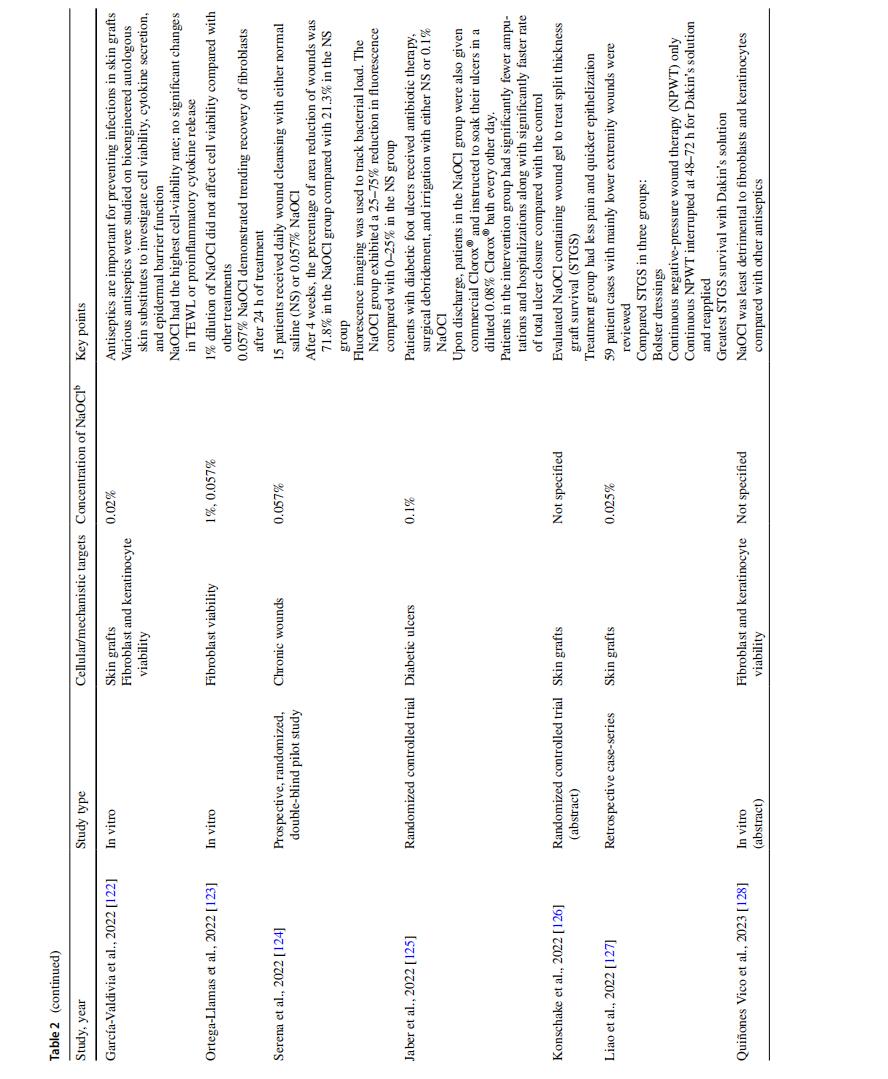
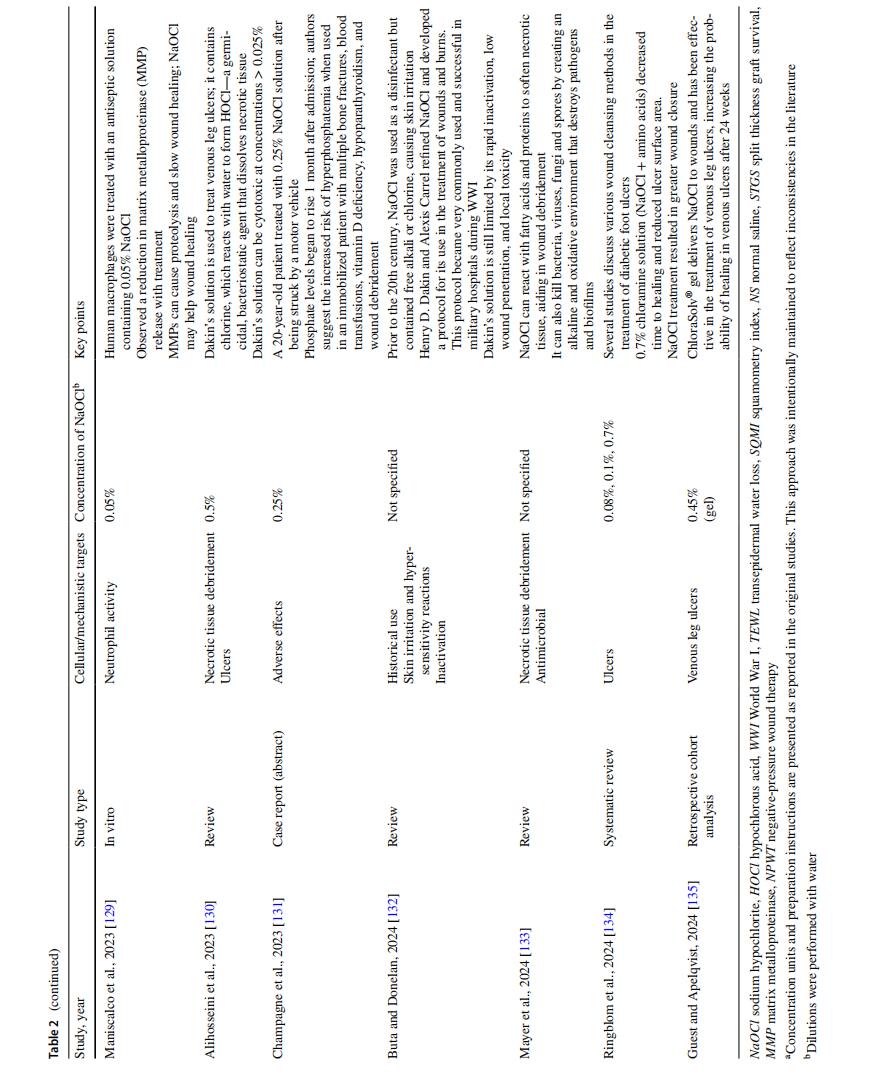
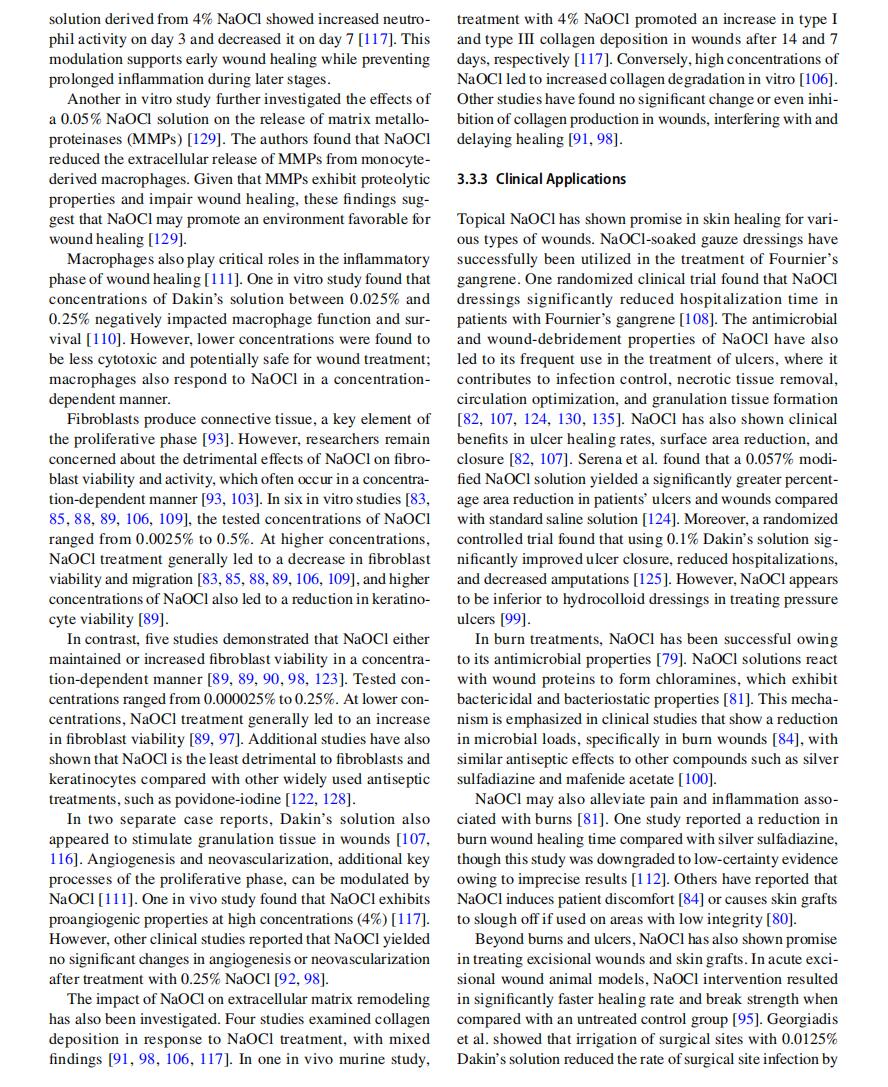
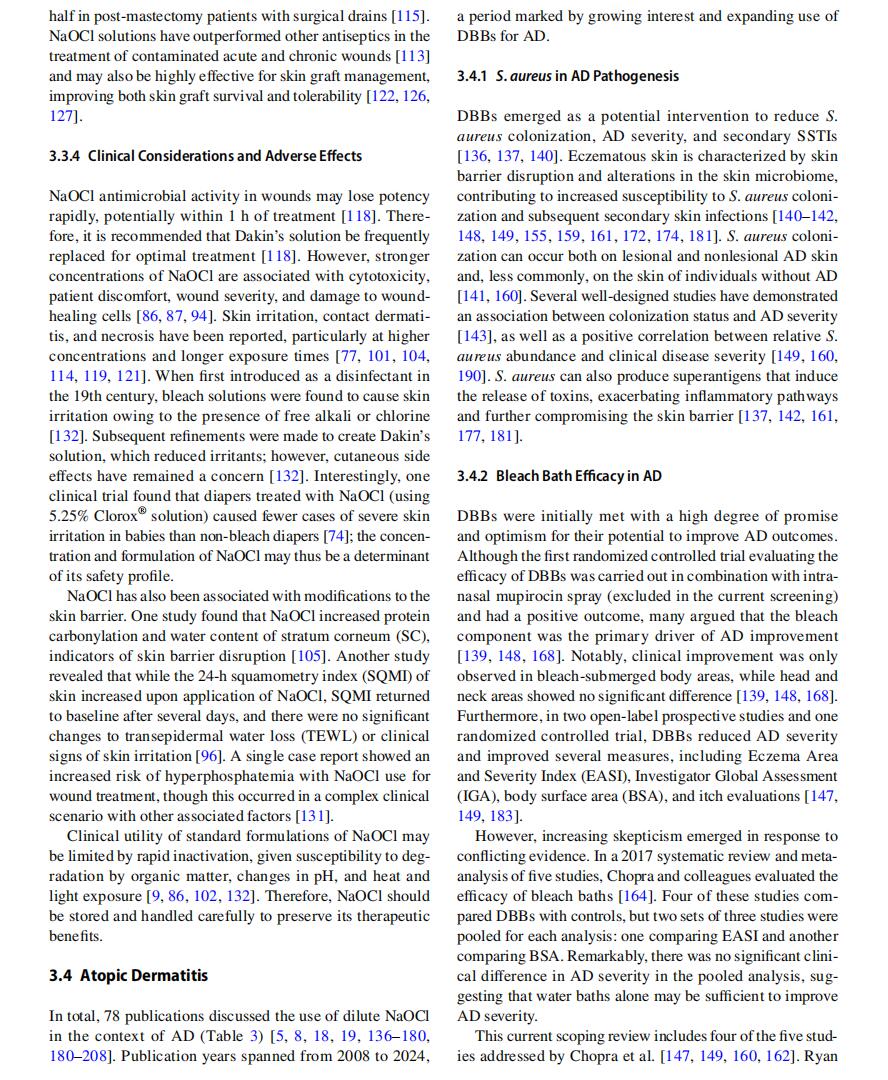
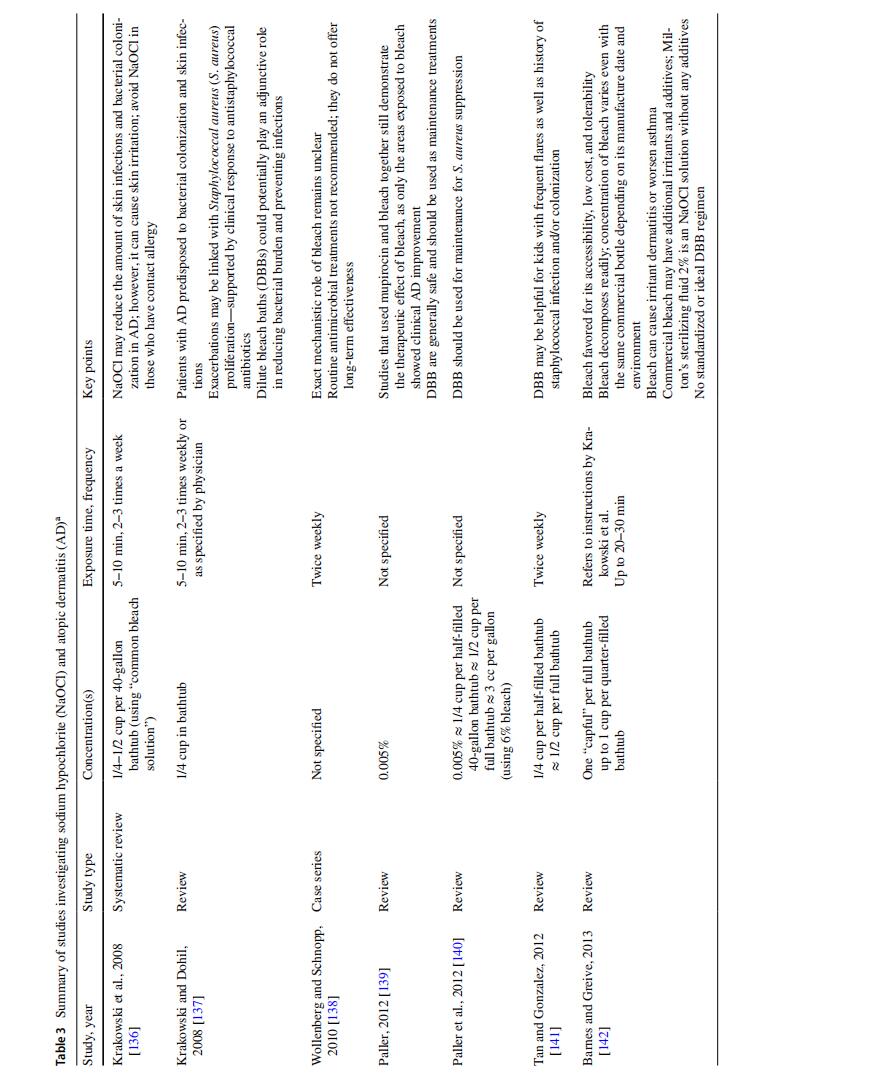
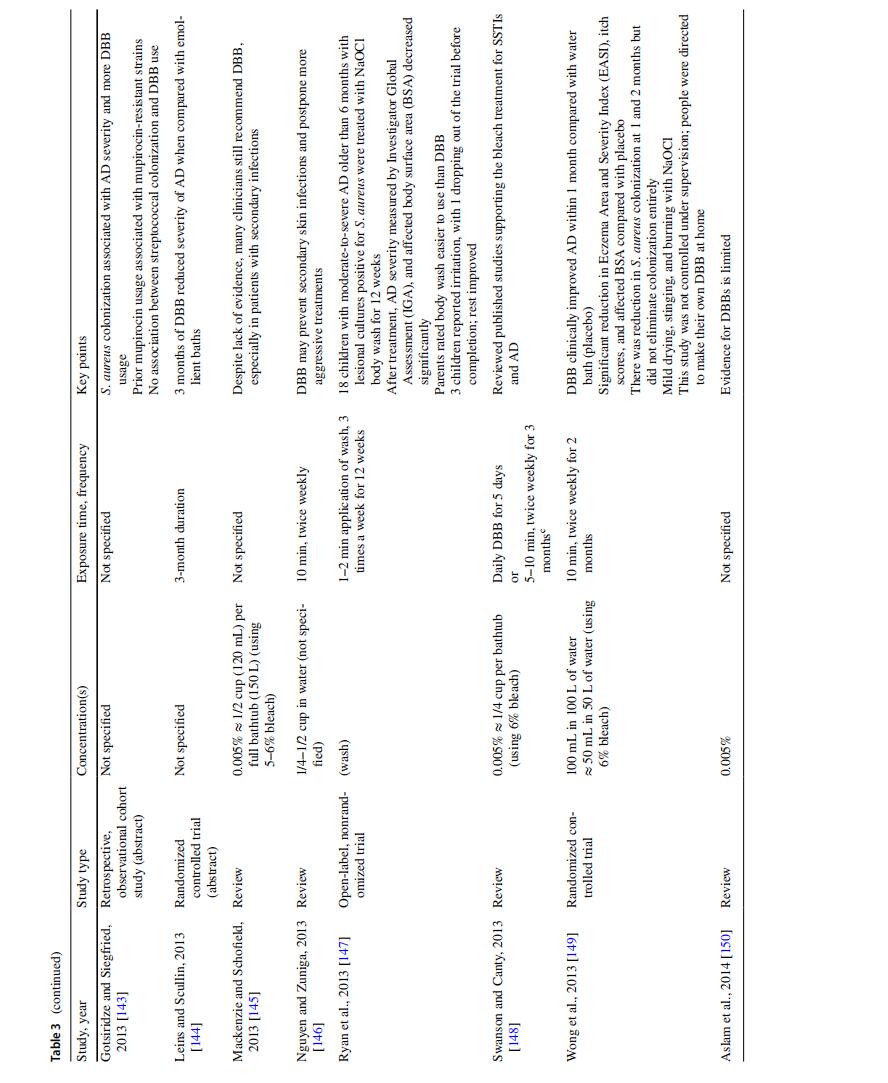
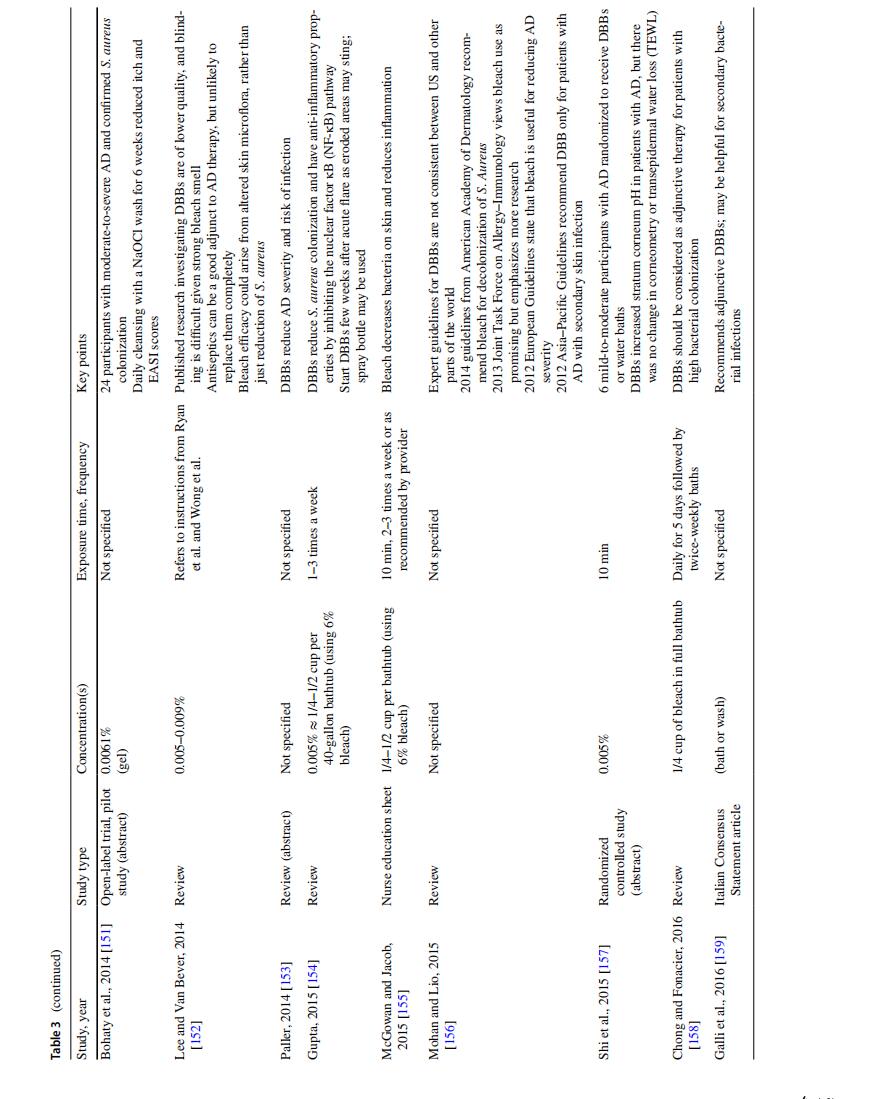
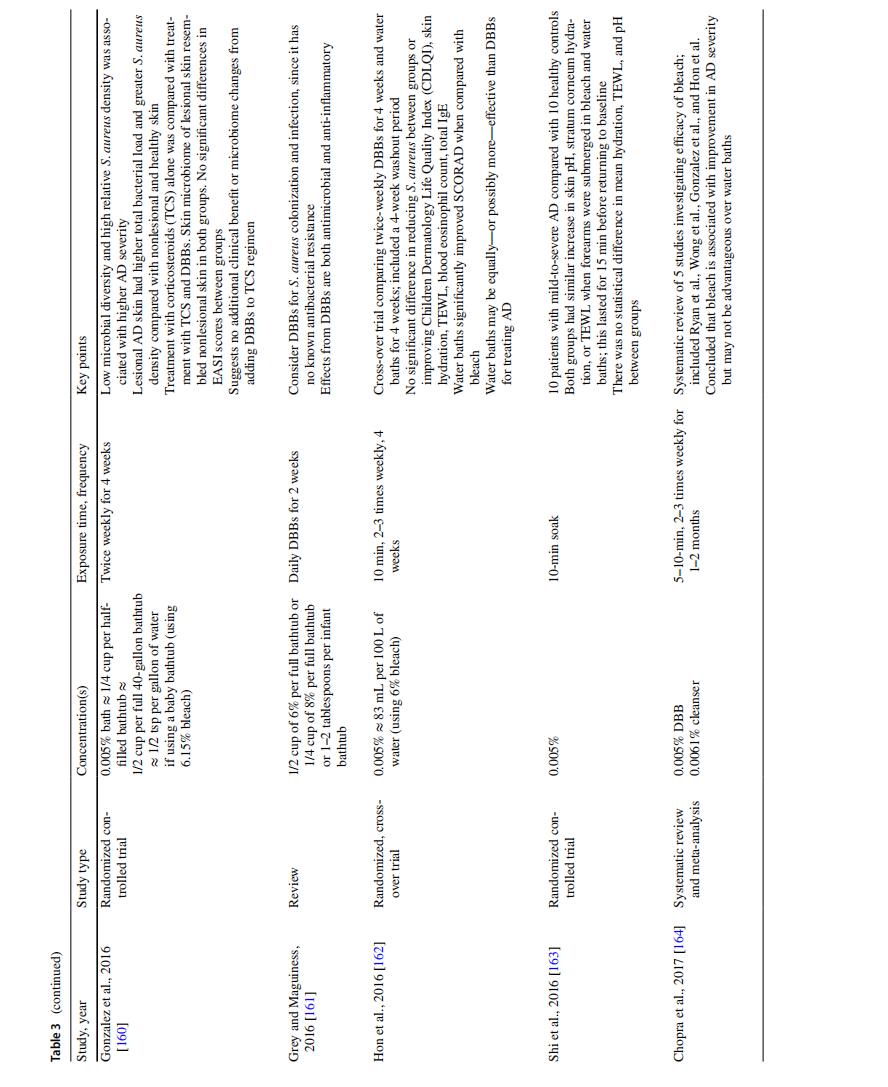
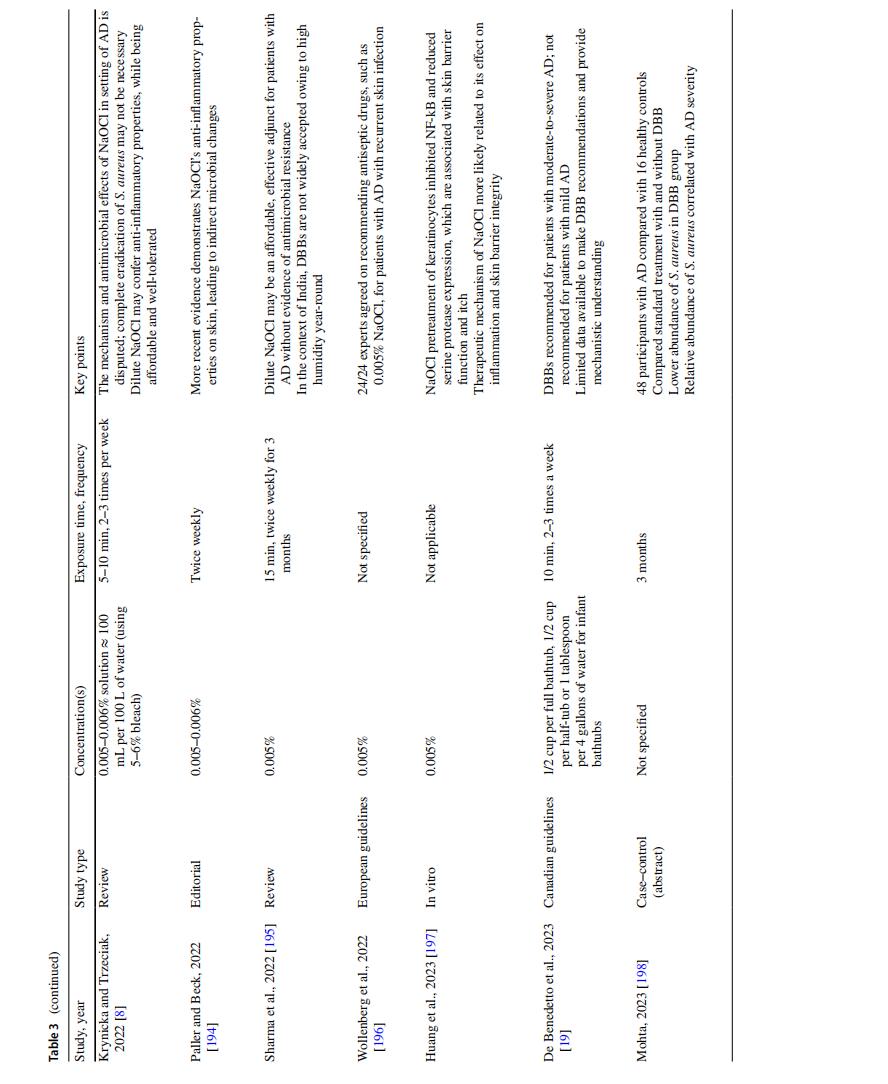
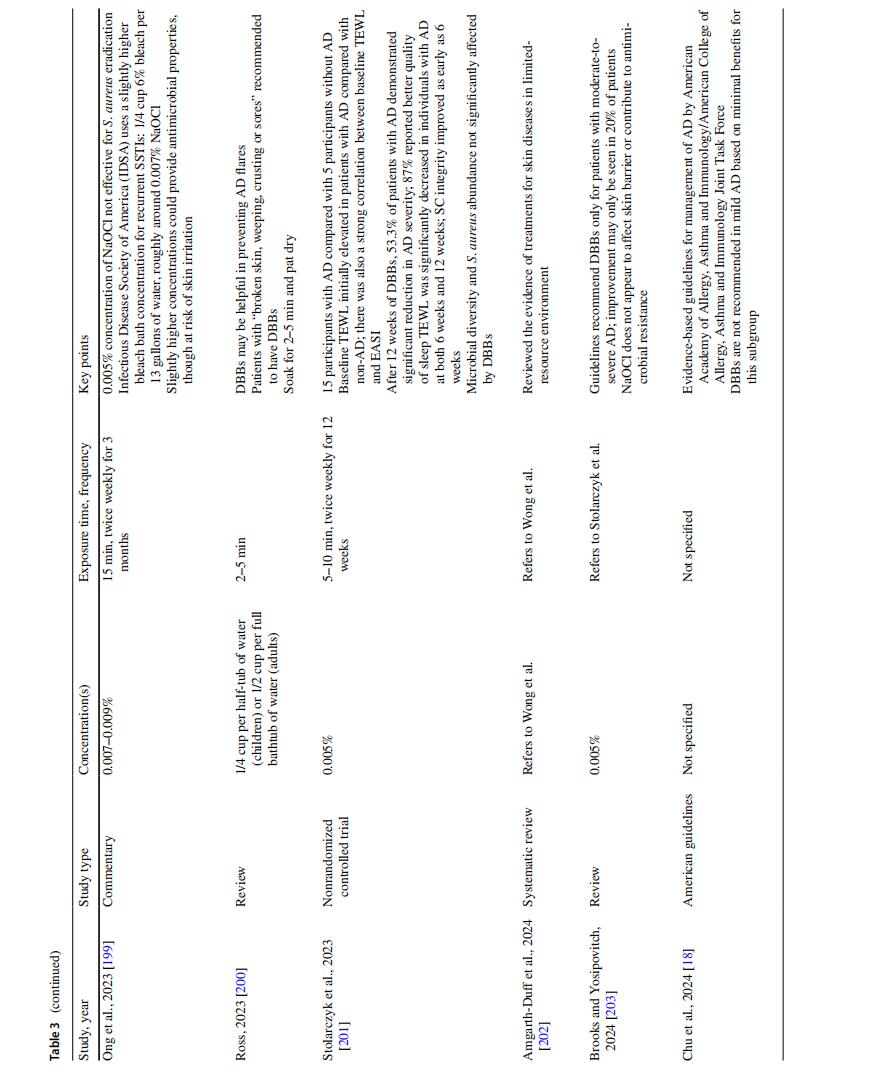
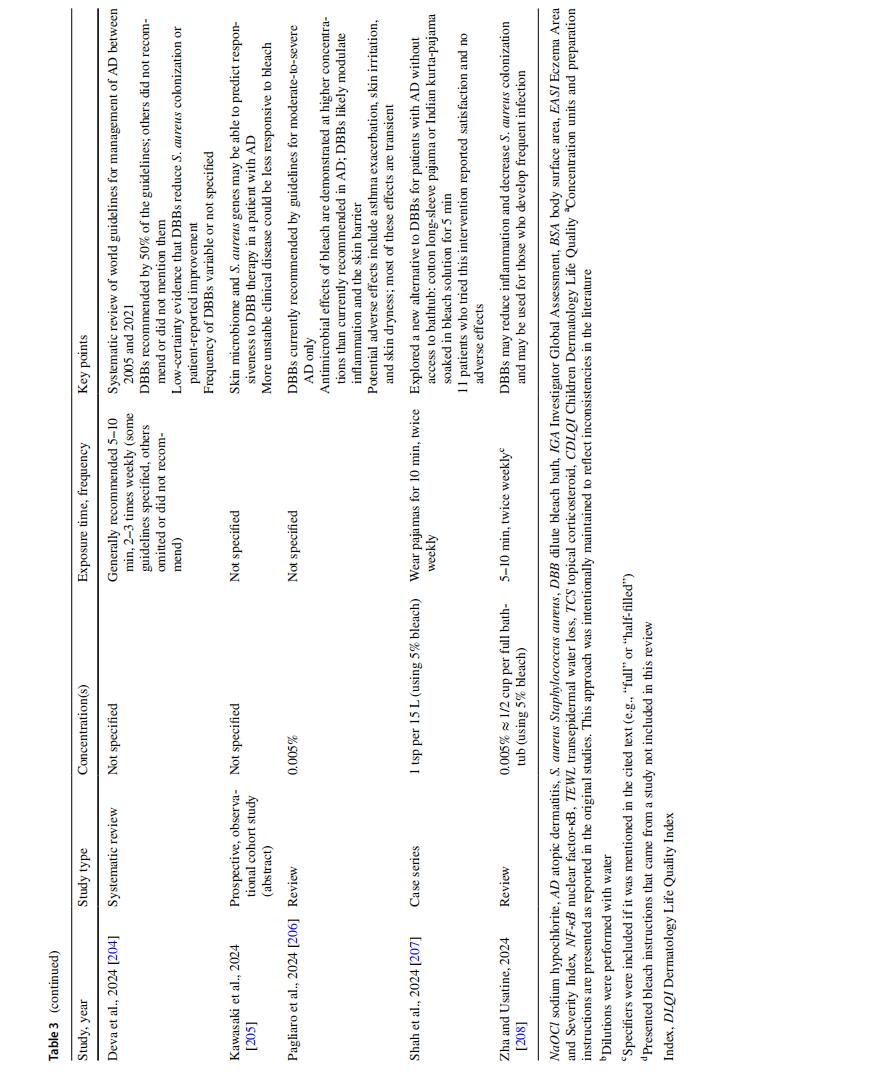
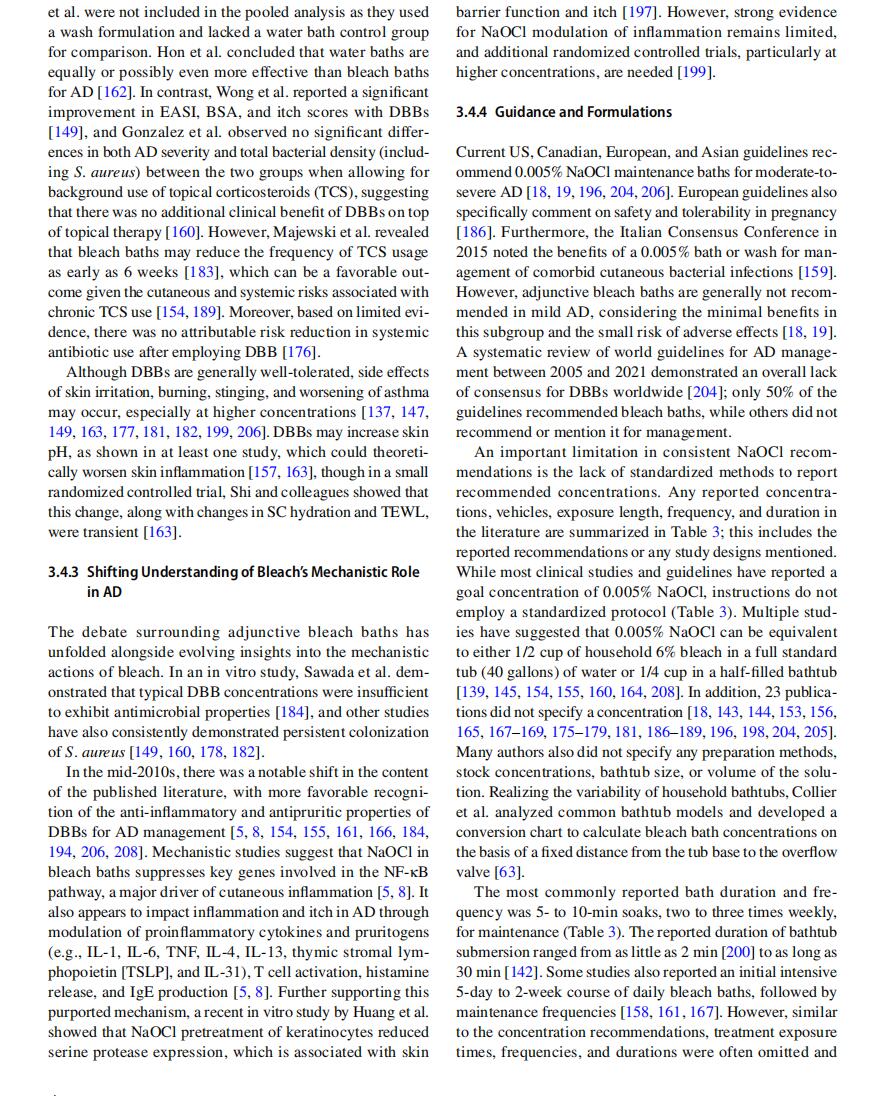
本文转载于American Journal of Clinical Dermatology (2026) 27:415–463,不代表本网站赞同其观点和对其真实性负责,我们只作于阅读分享,非商业用途,如若侵权,请告知删除。
Christy H. Chang1 · Maura Devine2 · Deborah Woo2 · Theresa Hopkins2 · Tiago Torres3,4 · Raj Chovatiya2,5
Abstract
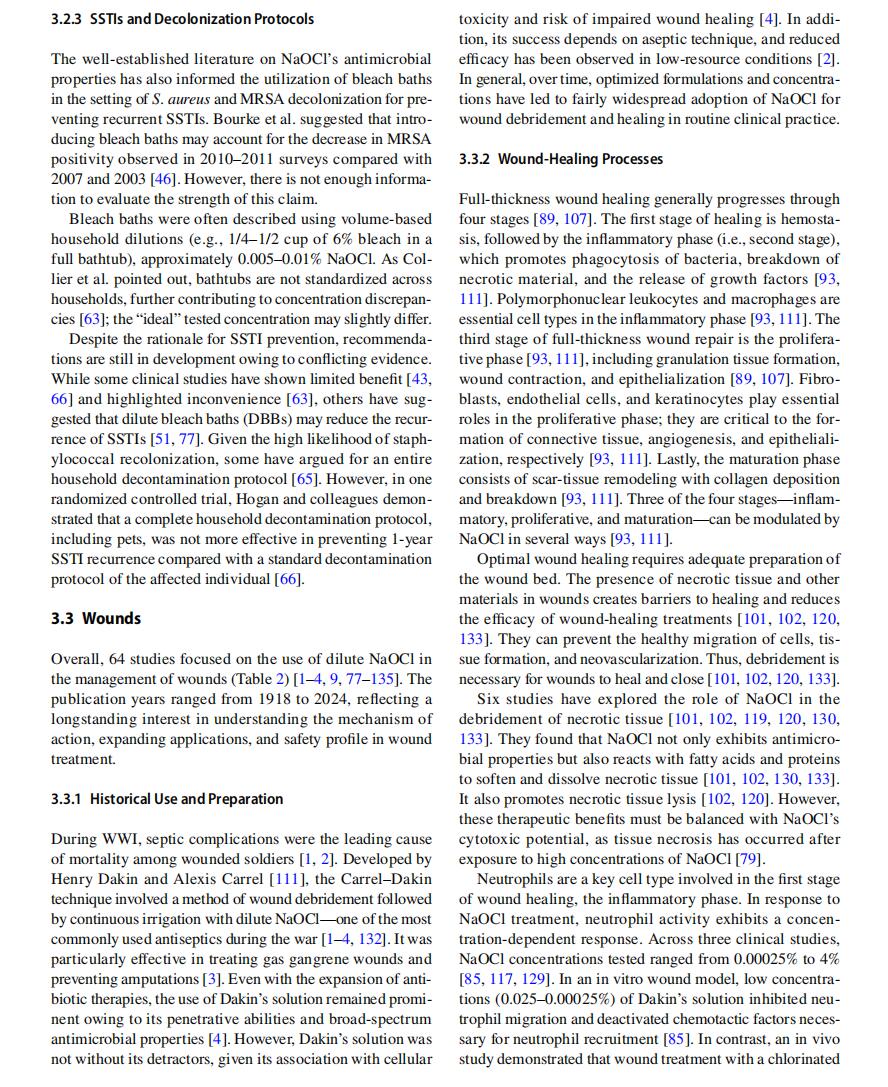
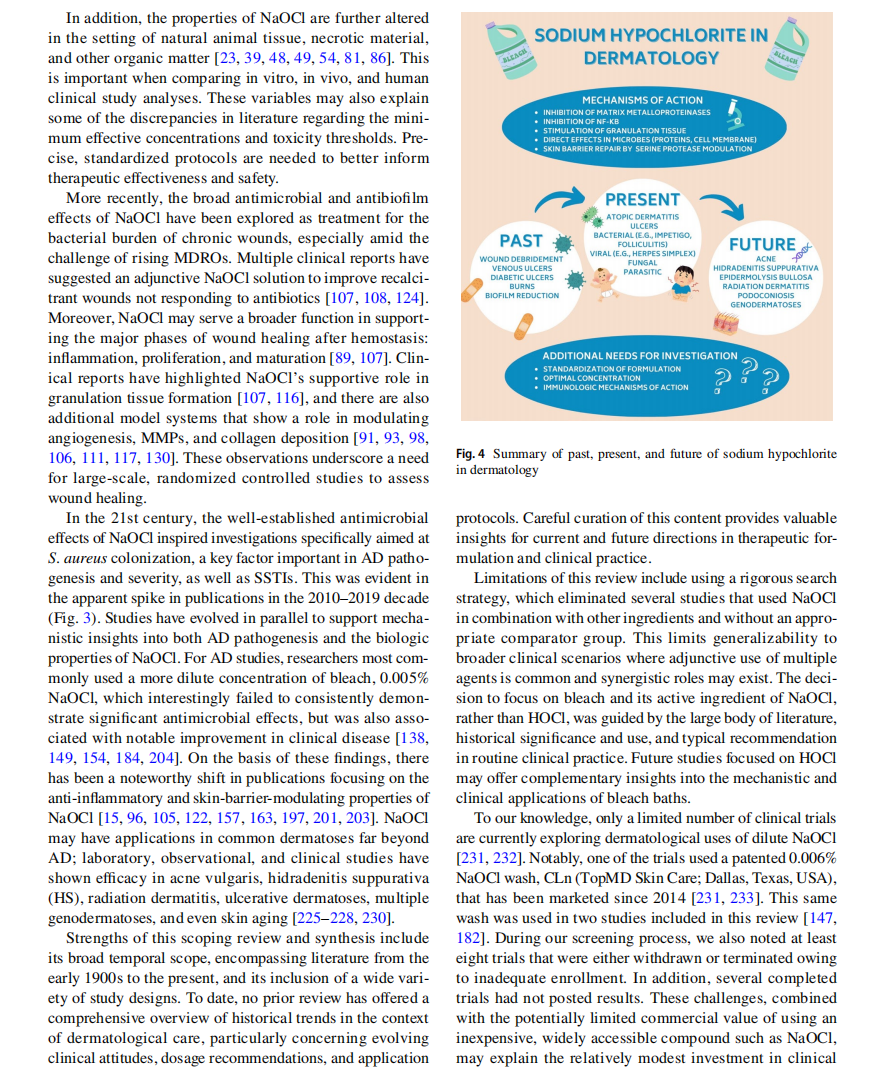
Background For over a century, dilute sodium hypochlorite (NaOCl), historically recognized as the antiseptic component of bleach, has been well established in wound care, primarily owing to its broad antimicrobial activity and ability to penetrate soft tissue and necrotic debris. NaOCl has been increasingly utilized and studied in clinical dermatology owing to its broad ranging antimicrobial, skin healing, and more recently described anti-inflammatory properties.
Objectives This scoping review (Open Science Network; osf.io/6hyru) synthesizes current evidence of NaOCl’s applications in skin care, highlighting mechanistic insights, clinical trends, and knowledge gaps.
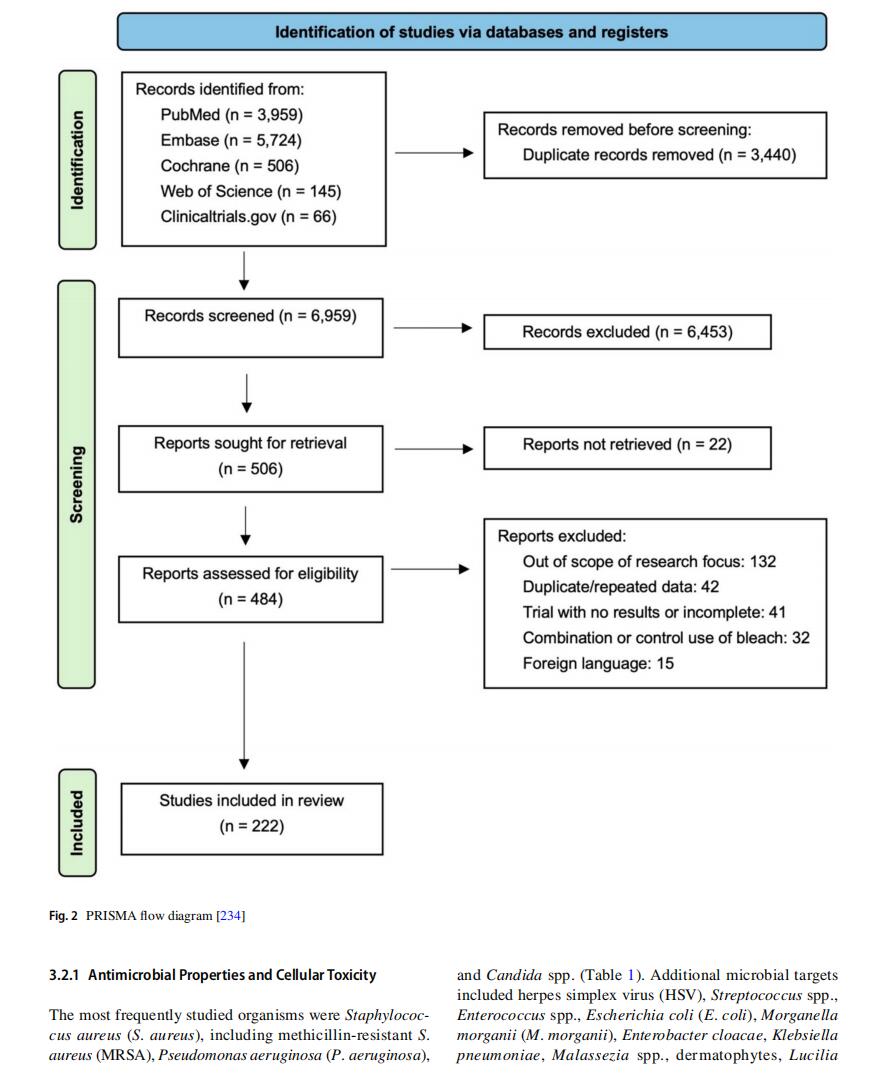
Methods A comprehensive search of PubMed, Embase, Web of Science, Cochrane Library, and ClinicalTrials.gov was conducted from inception through November 2024. This review was reported following the Preferred Reporting Items for Systematic Reviews and Meta-Analyses extension for Scoping Reviews (PRISMA-ScR) guidelines.
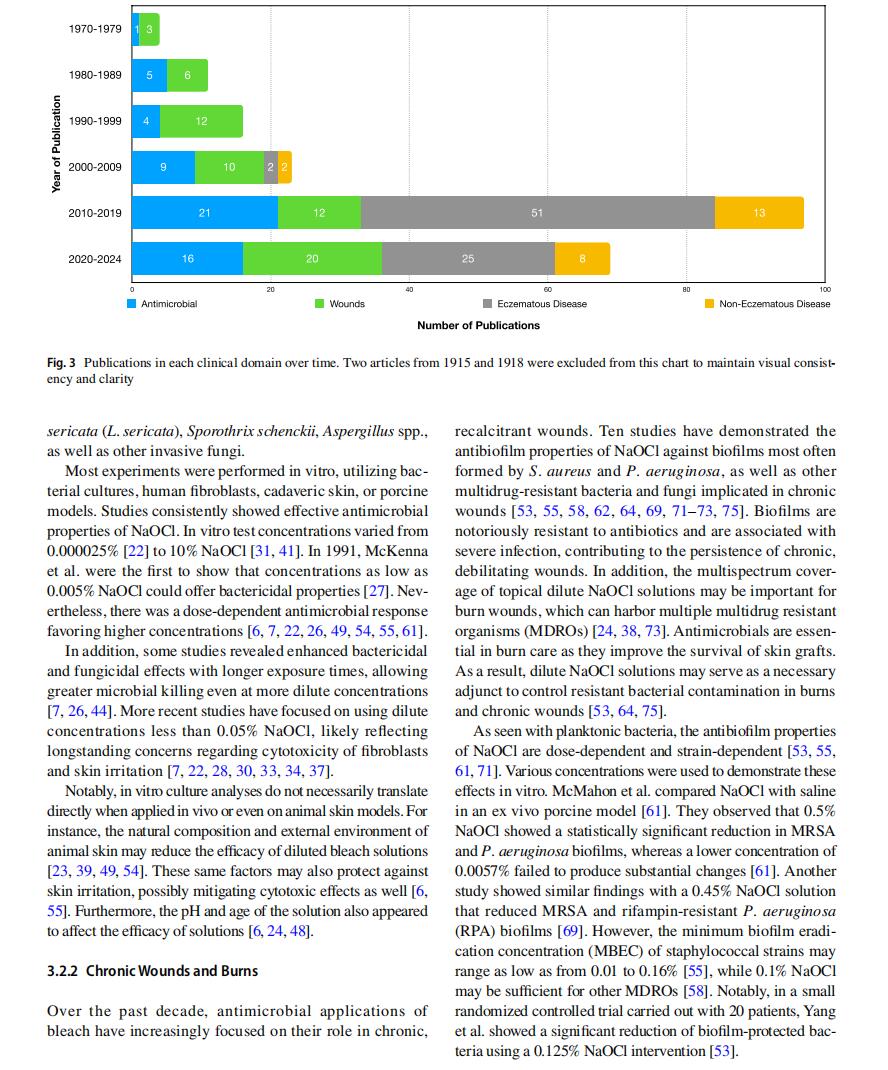
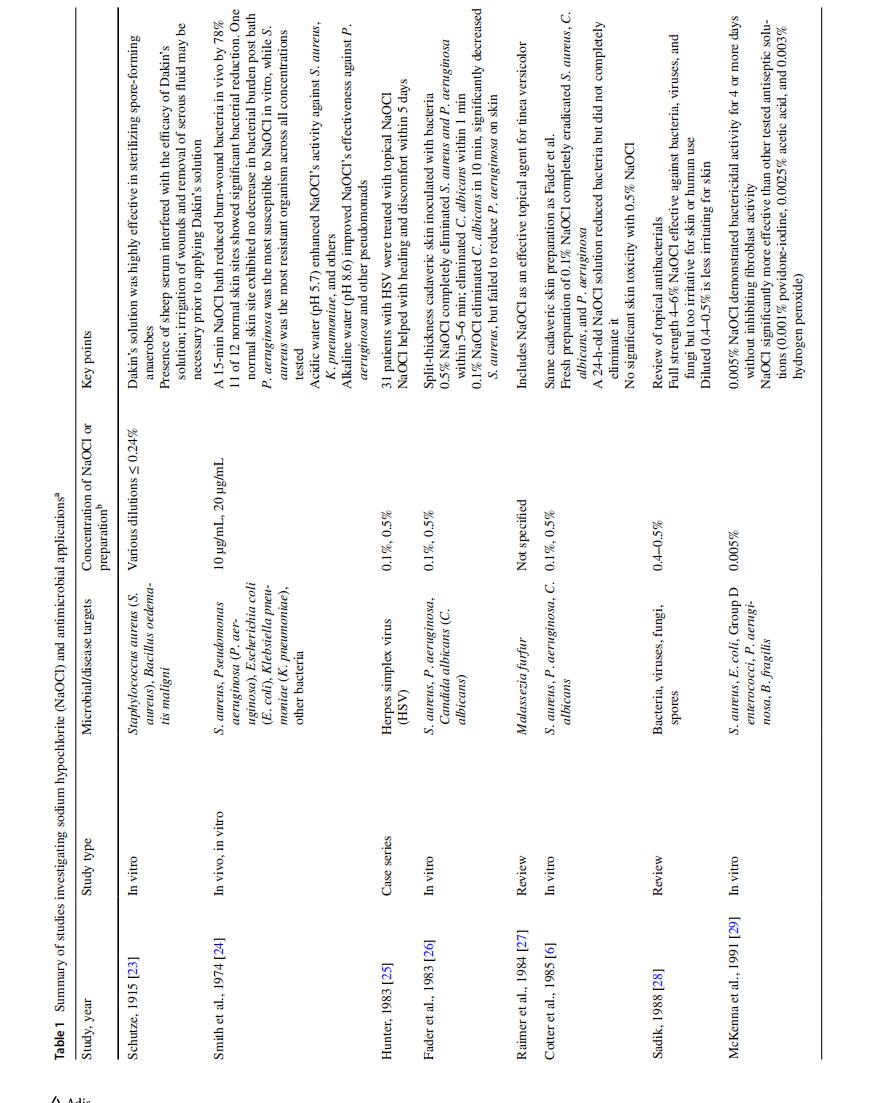
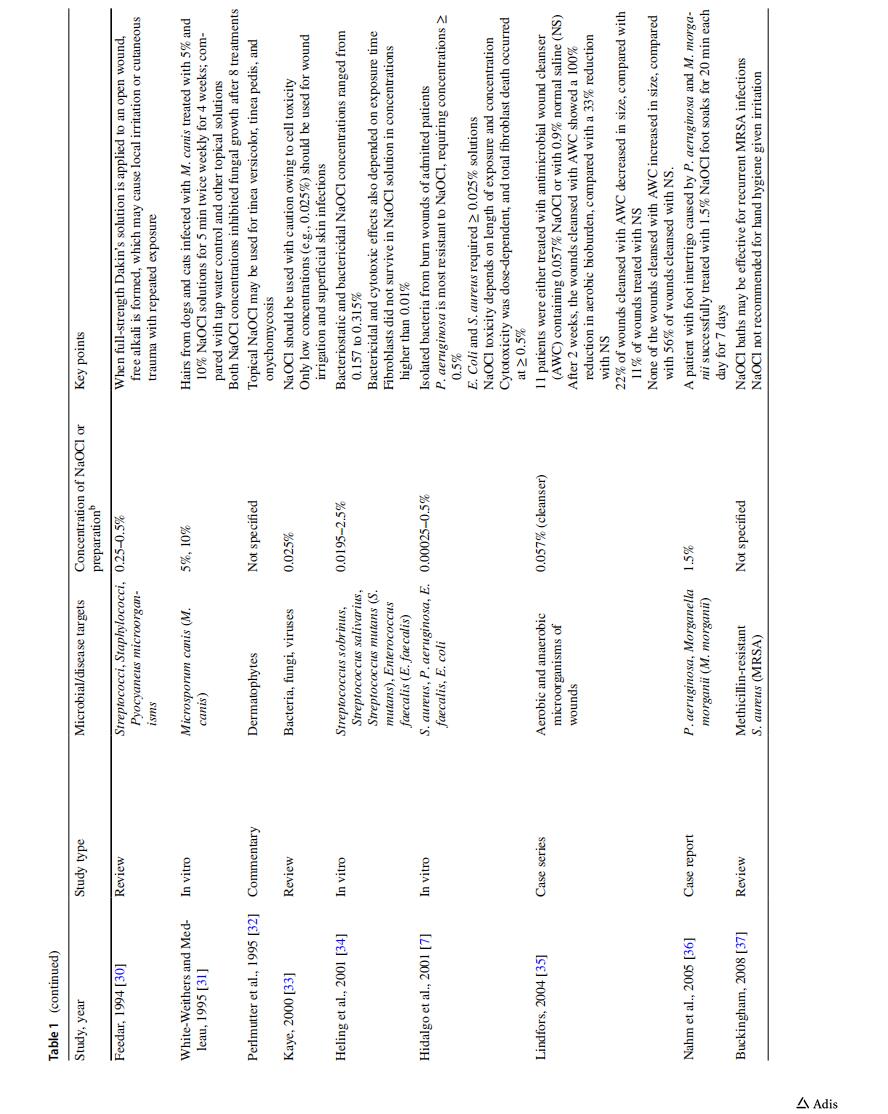
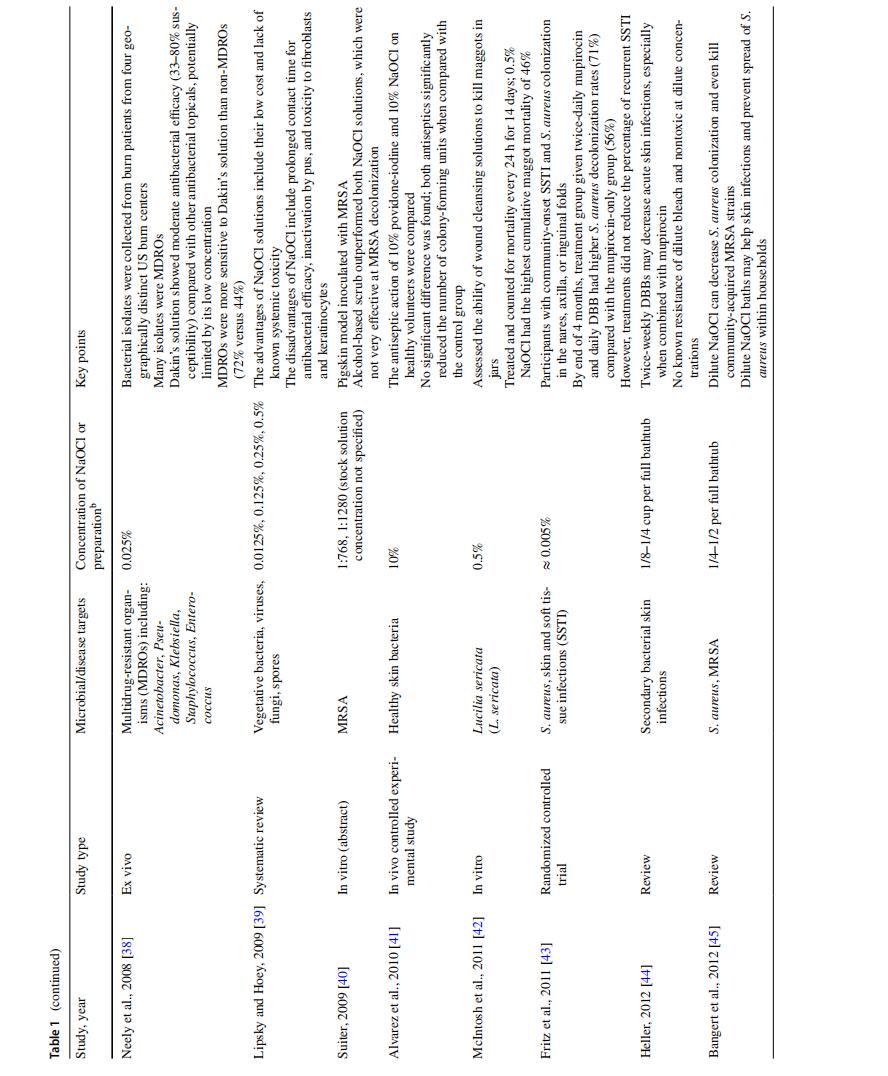
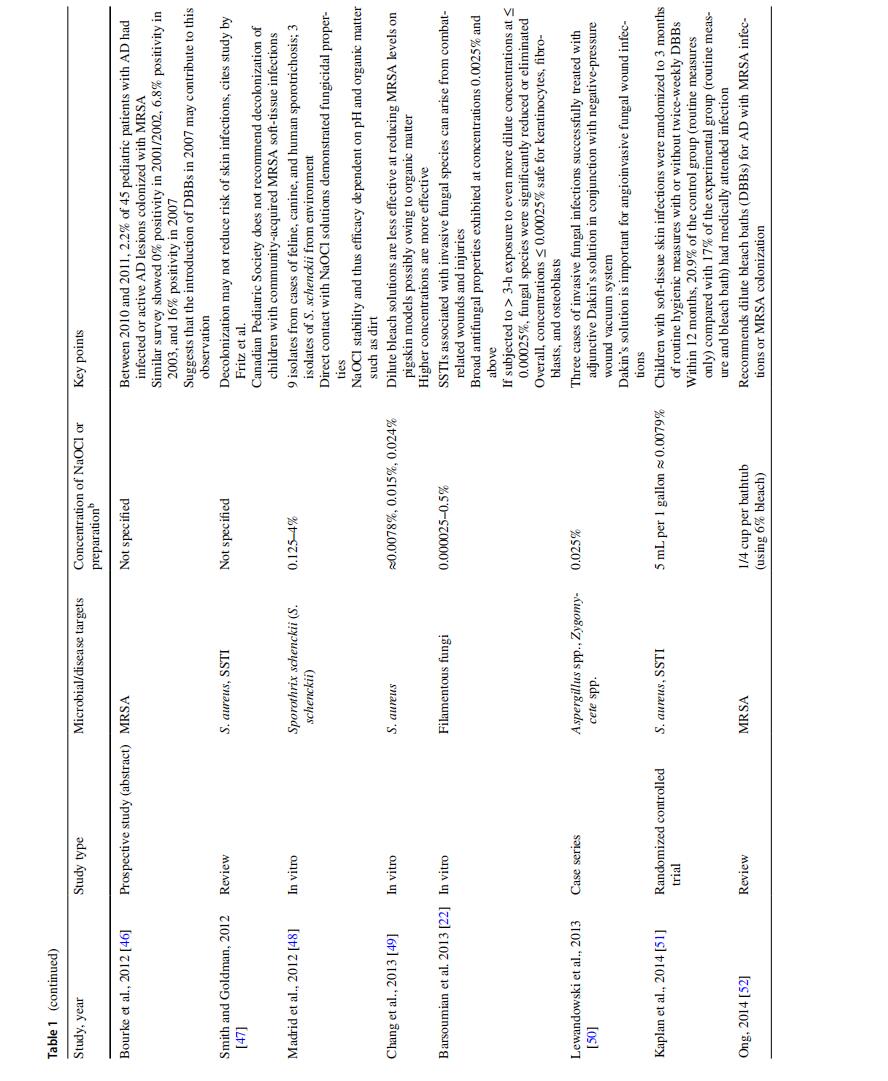
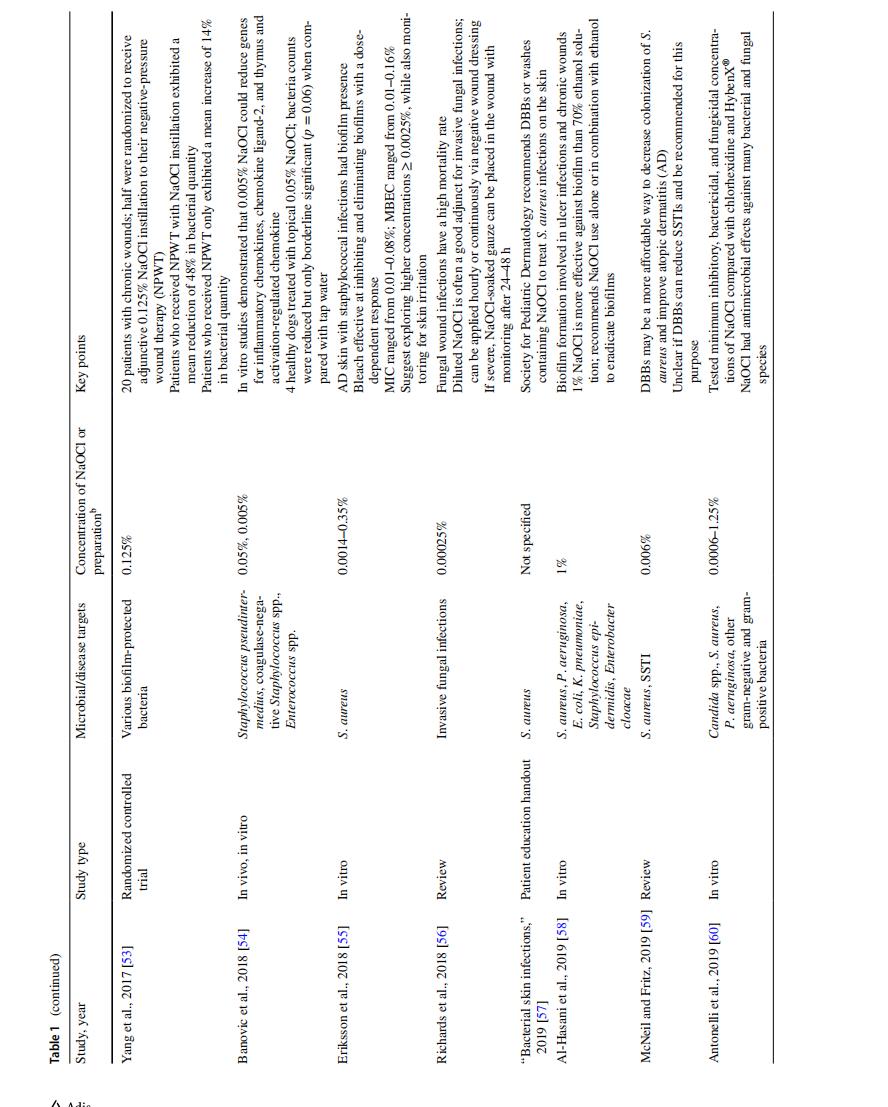
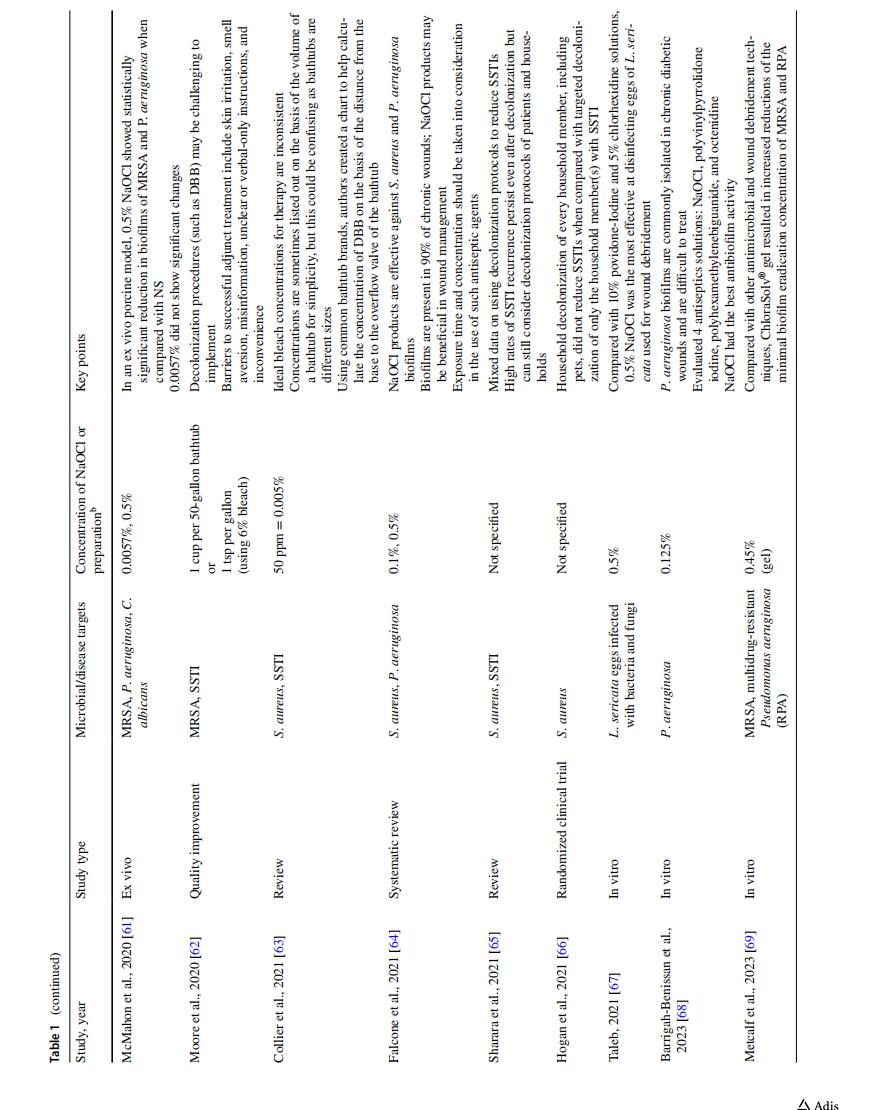
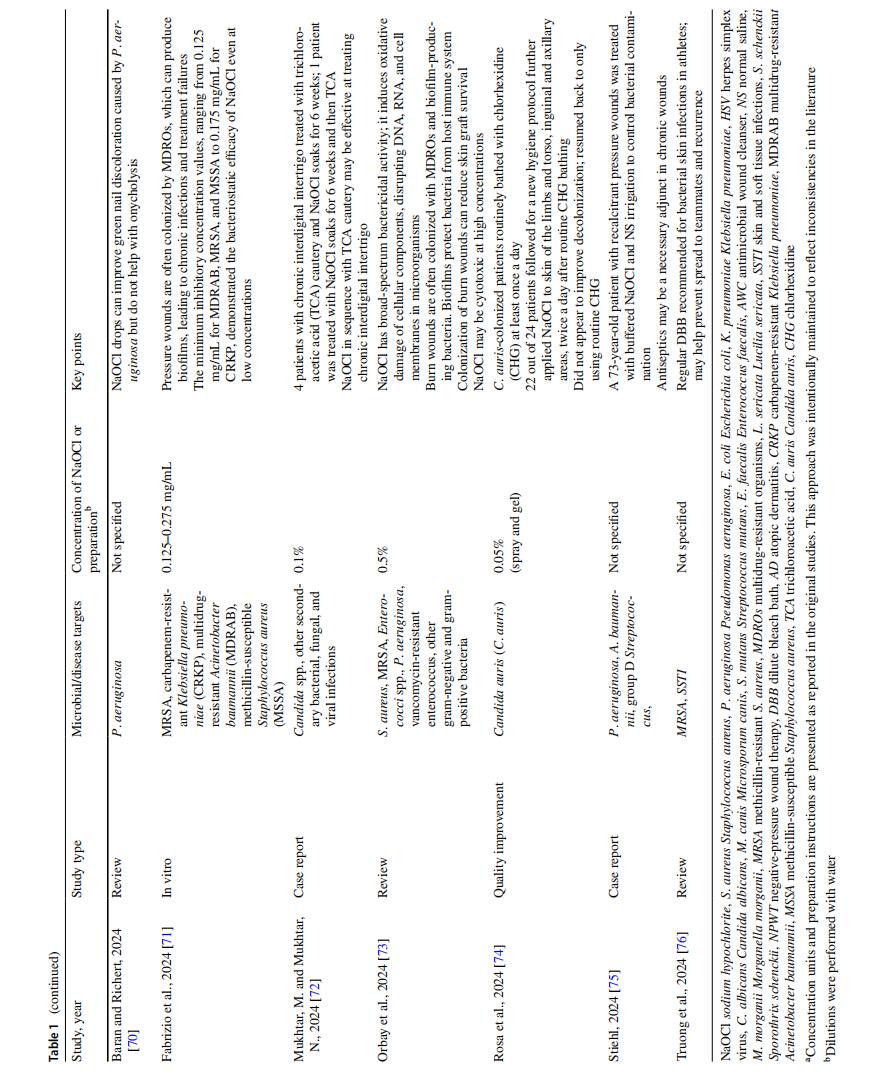
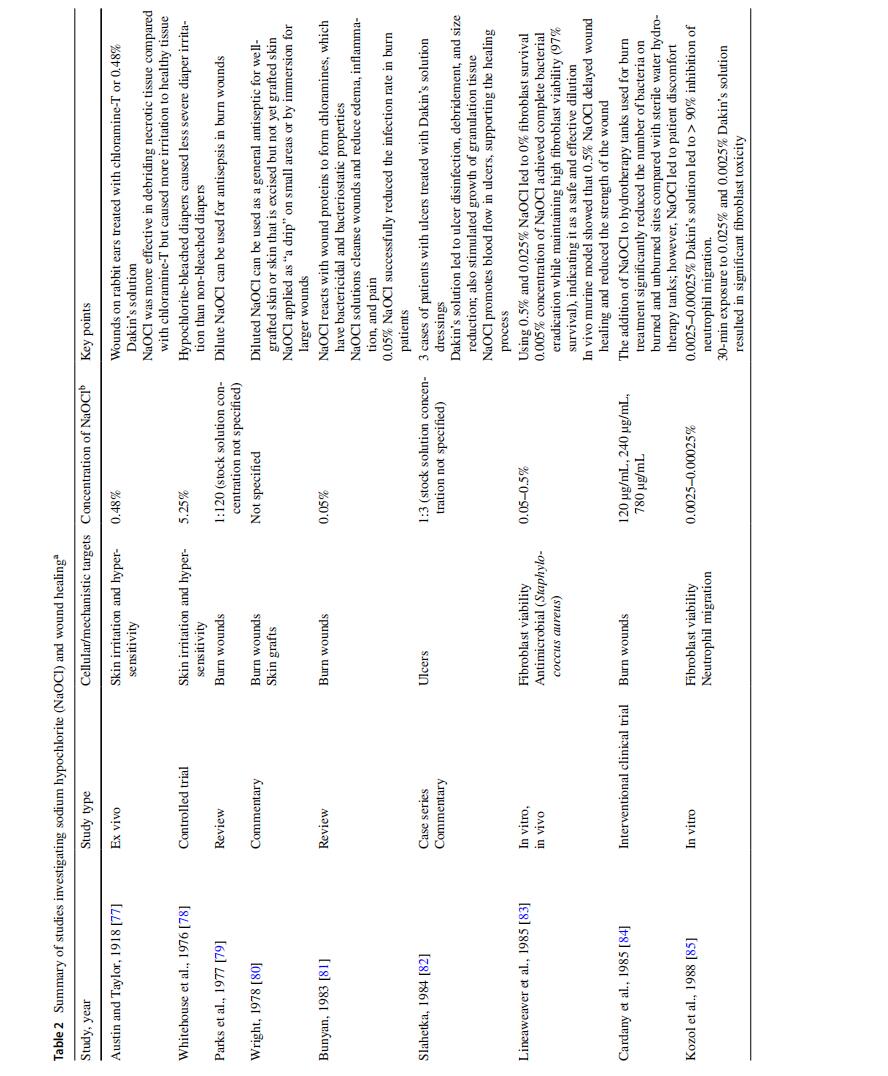
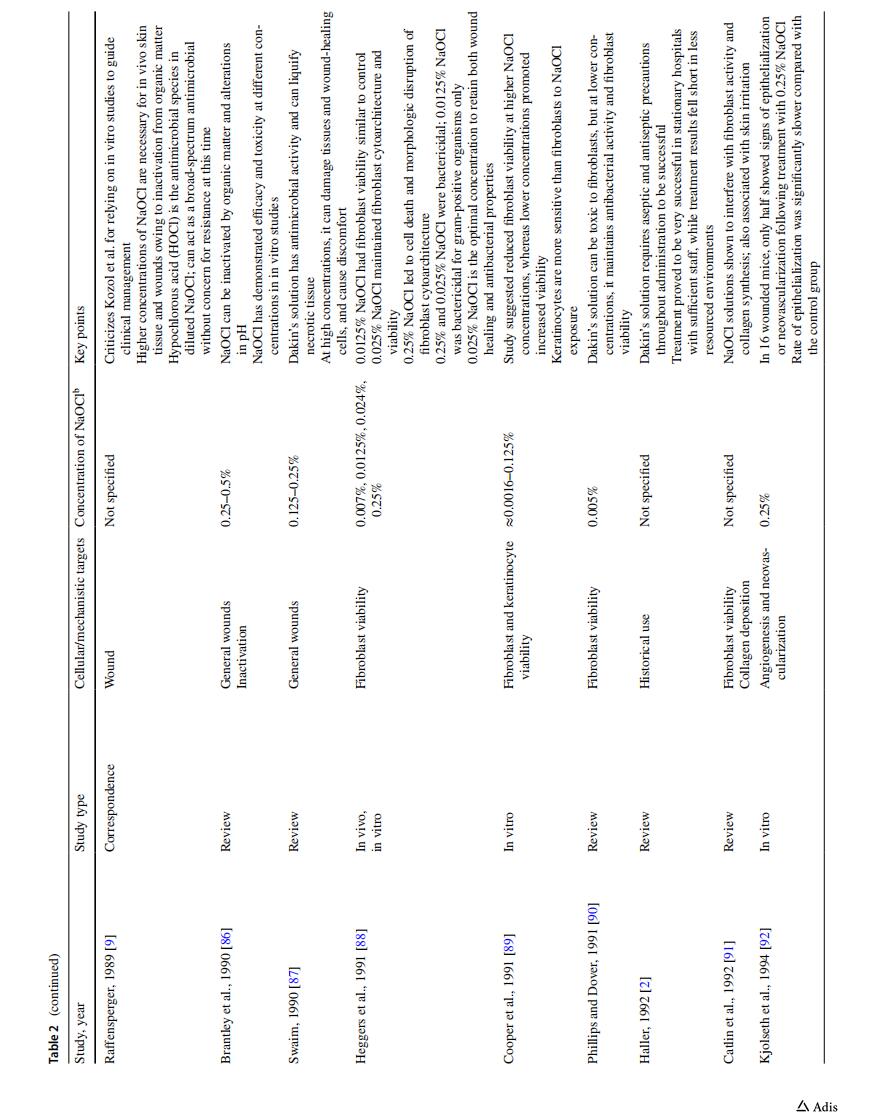
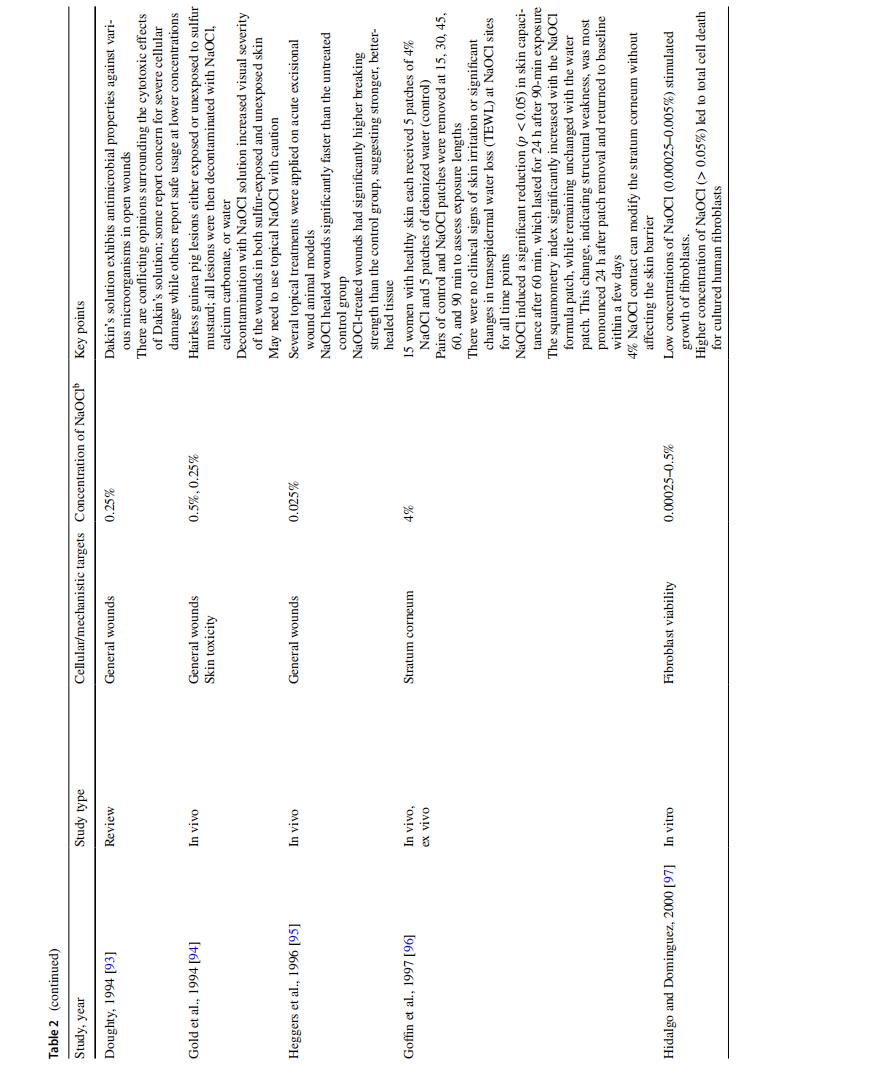
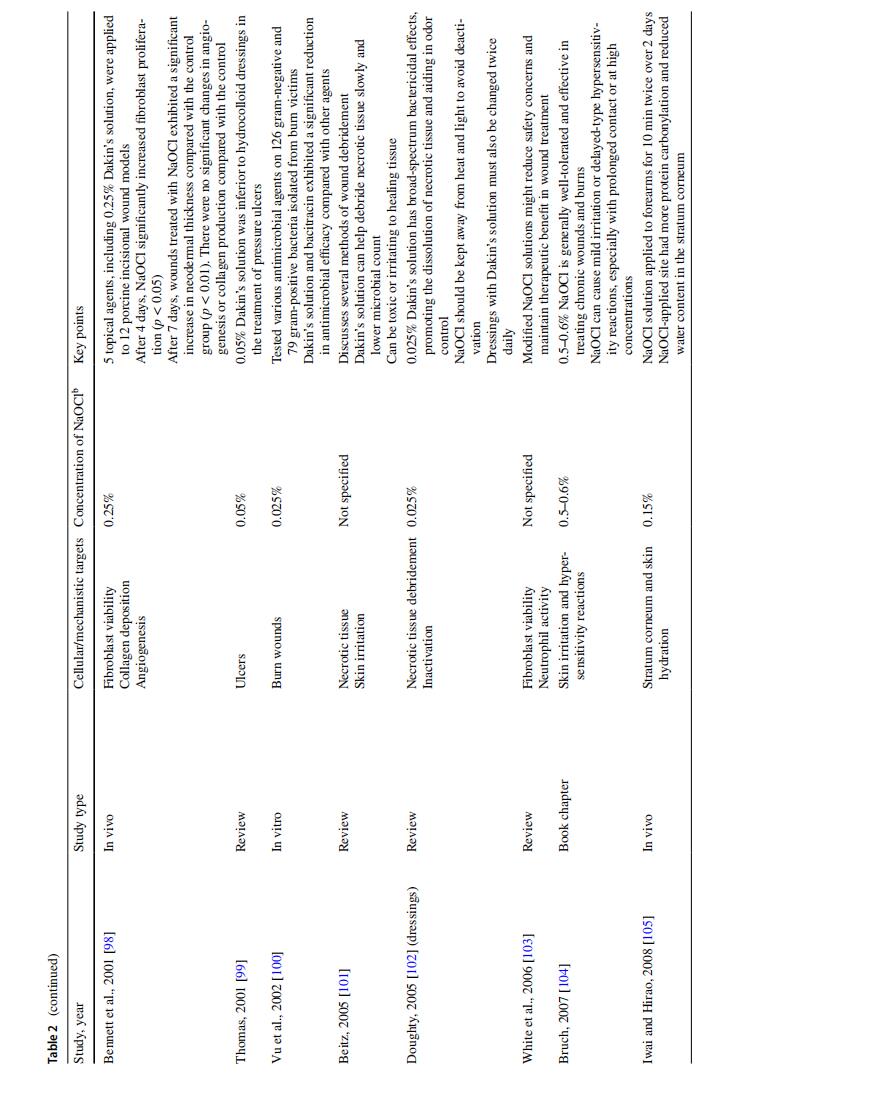
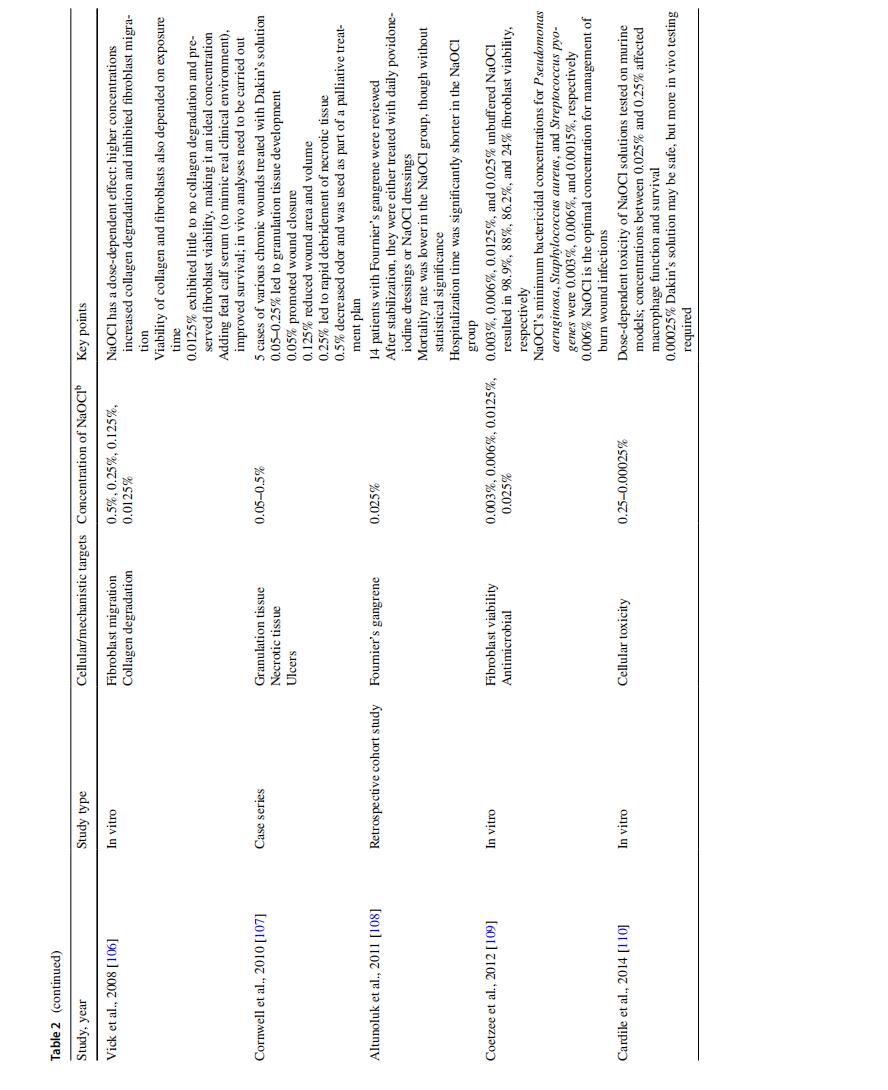
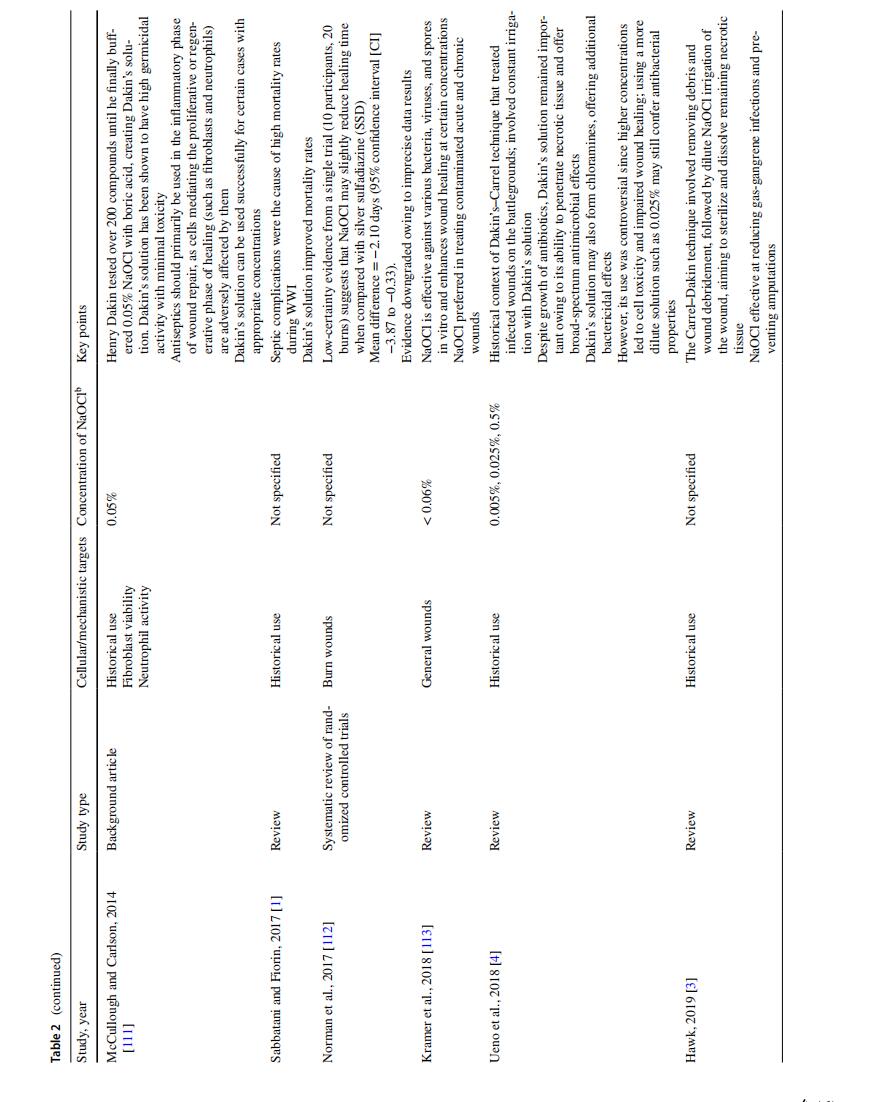
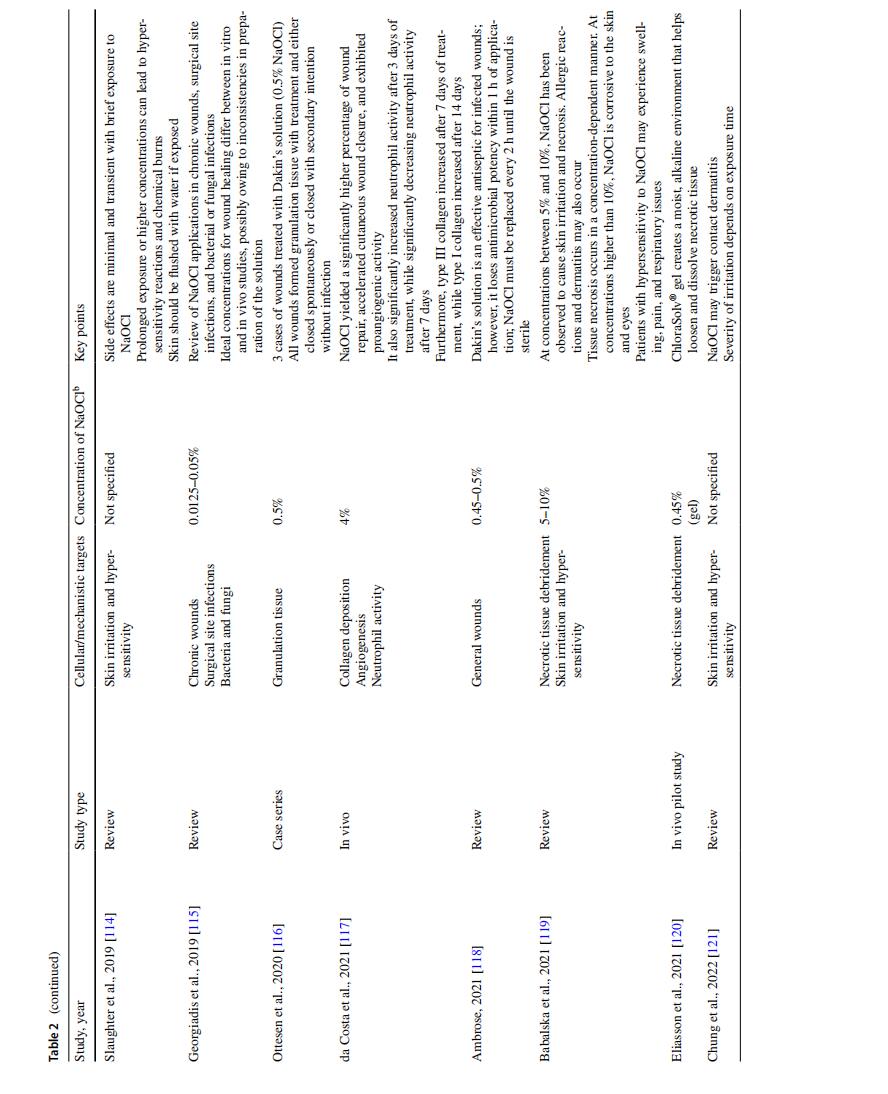
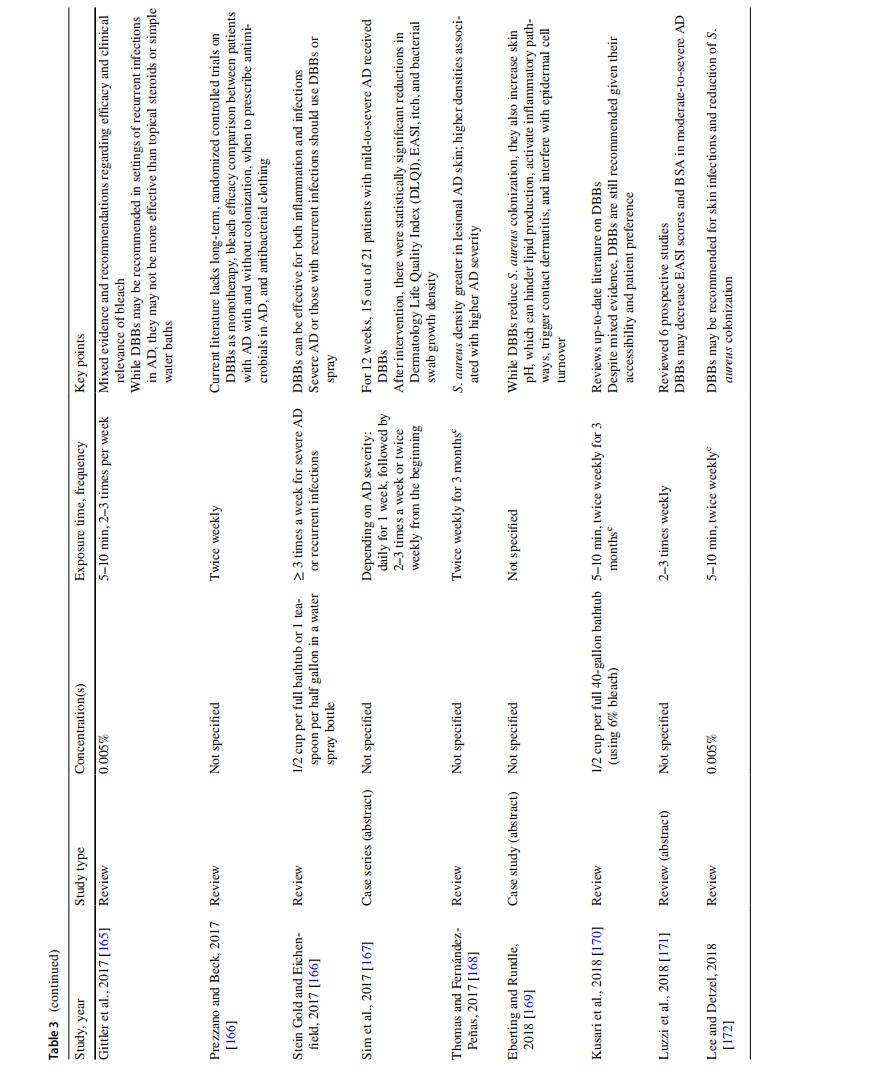
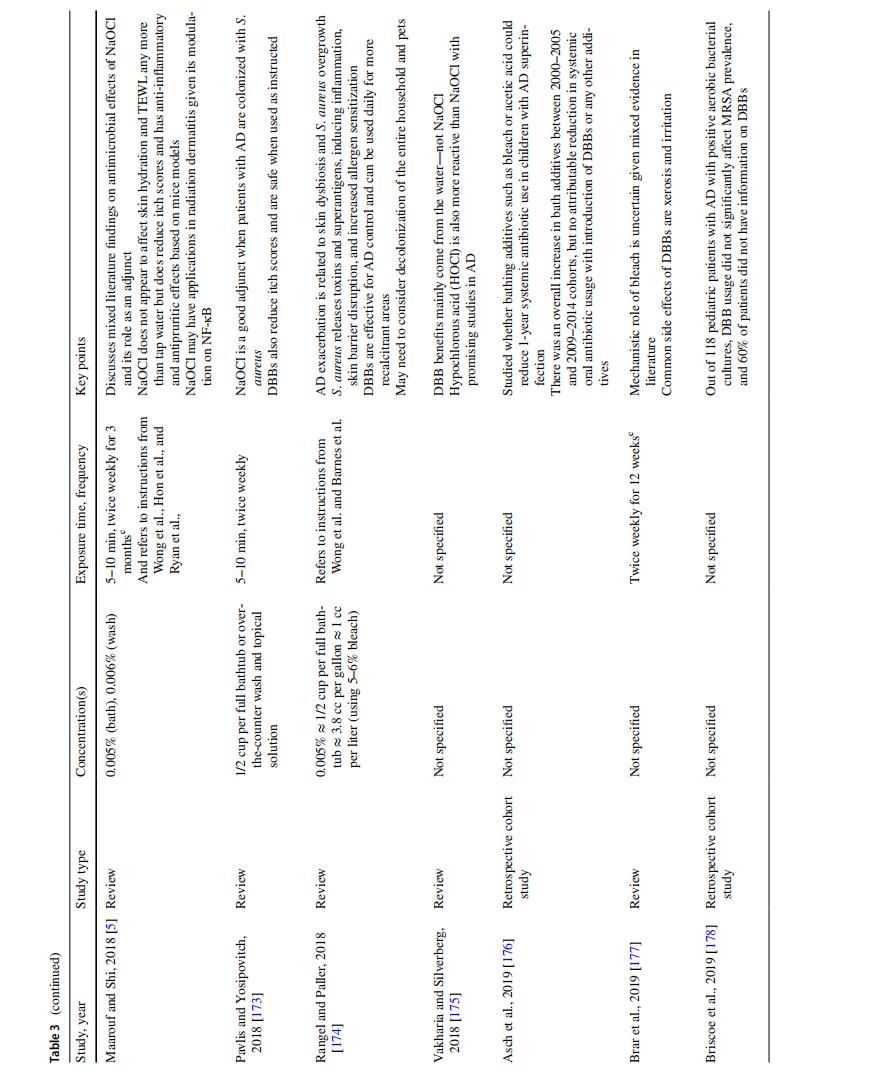
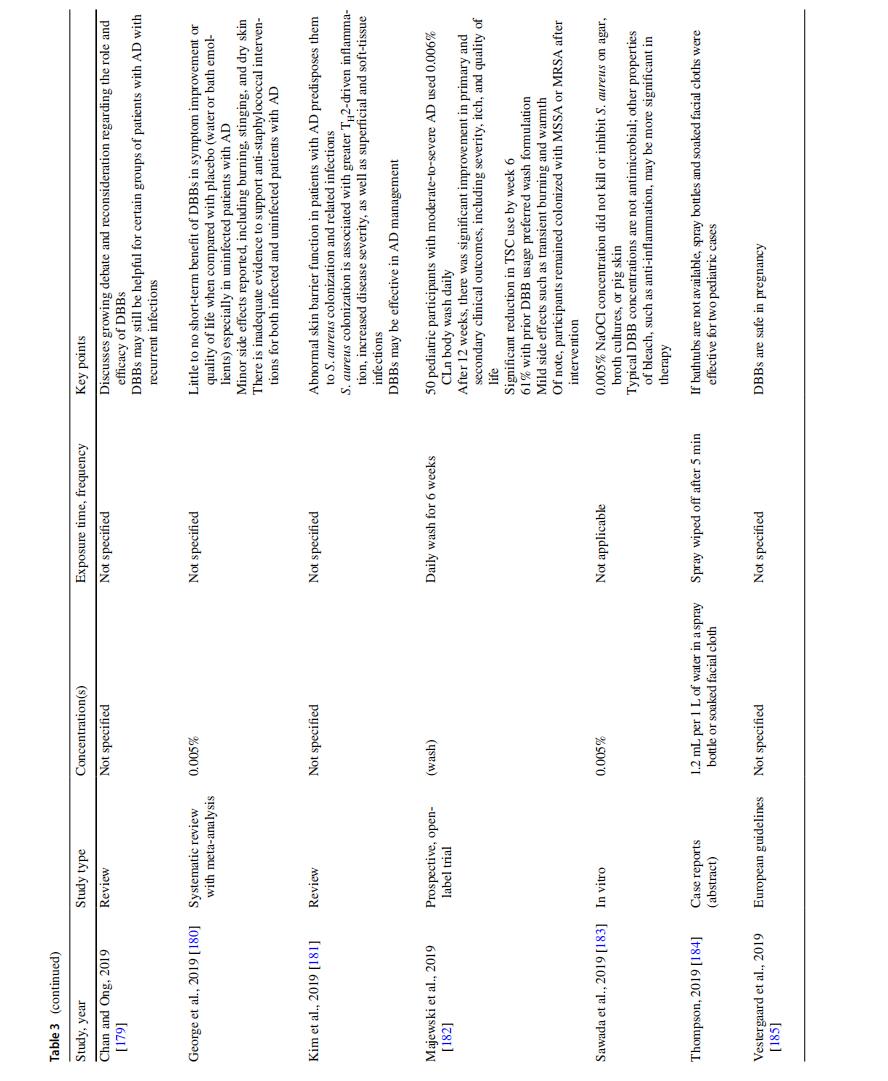
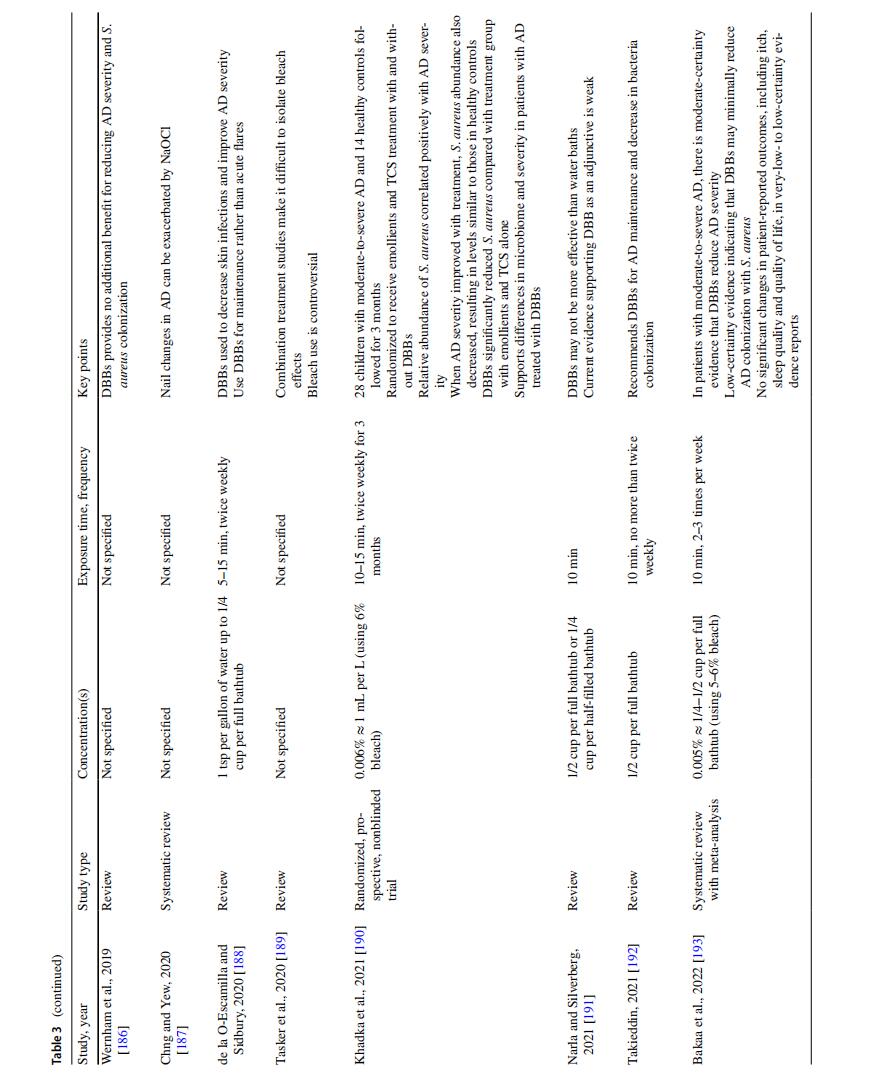
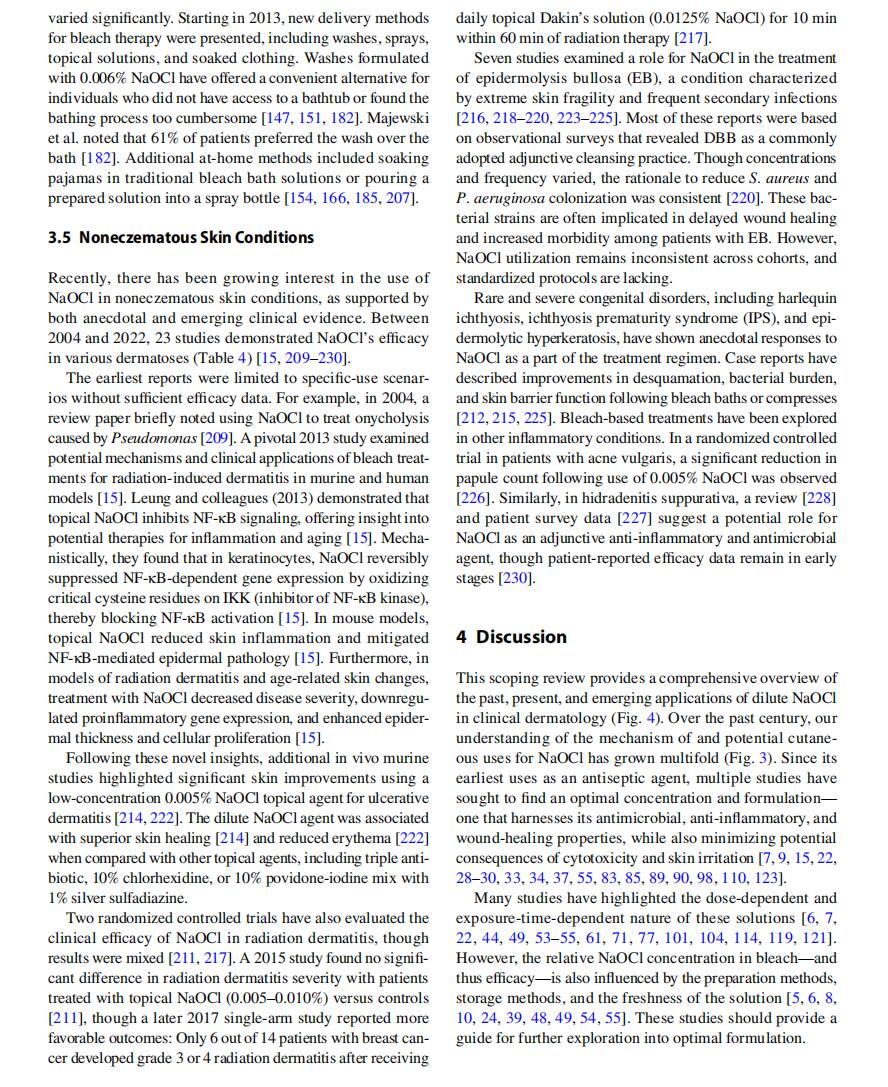
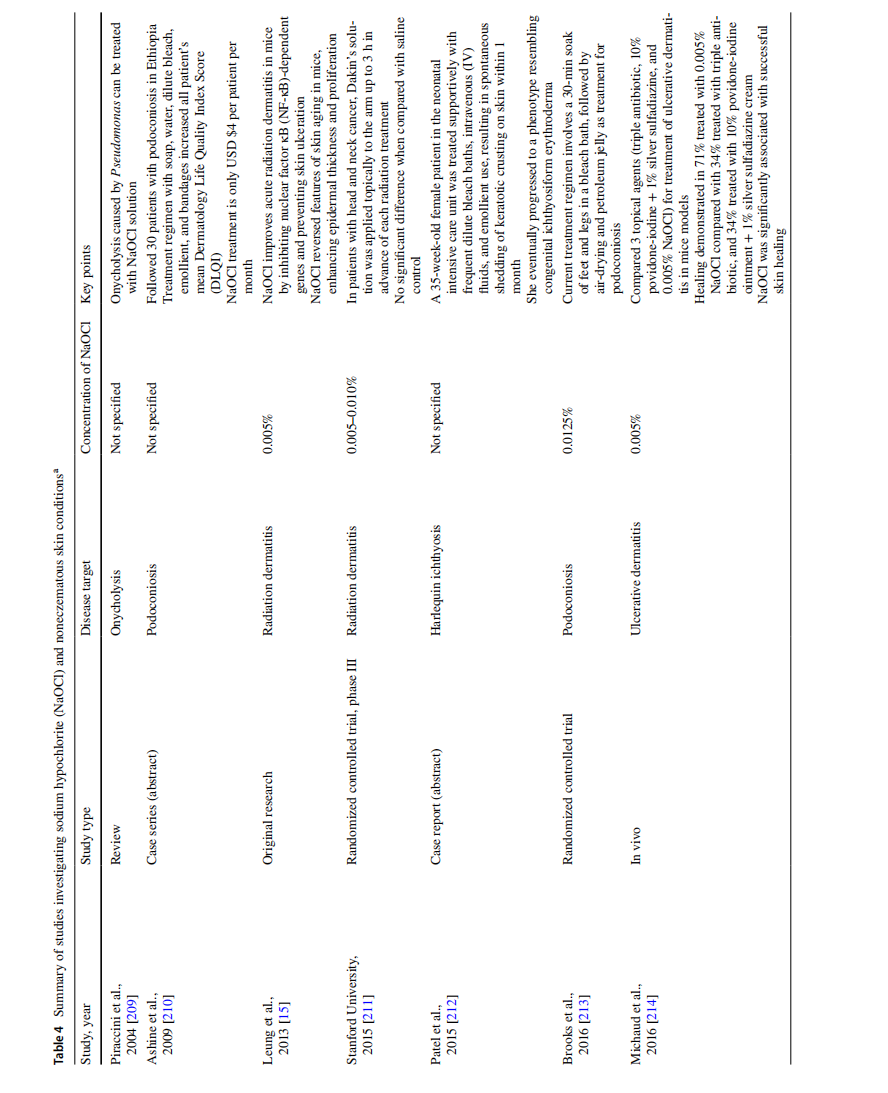
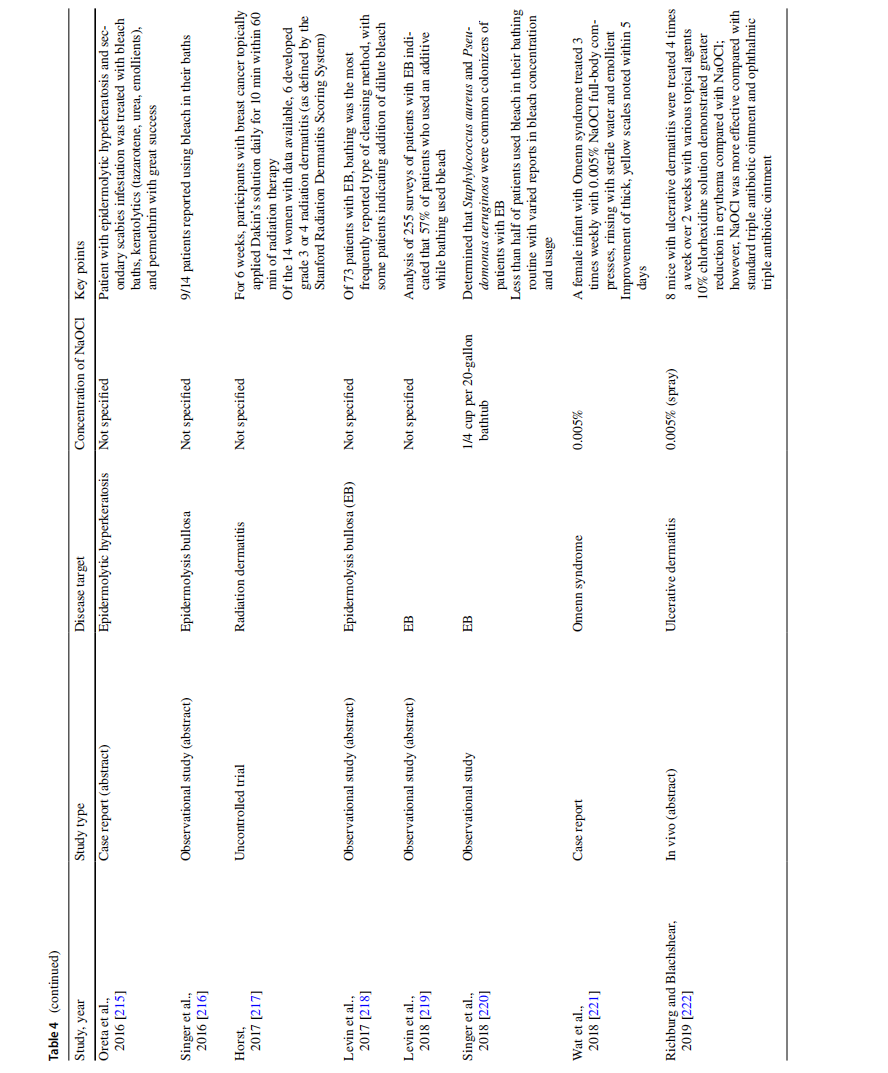
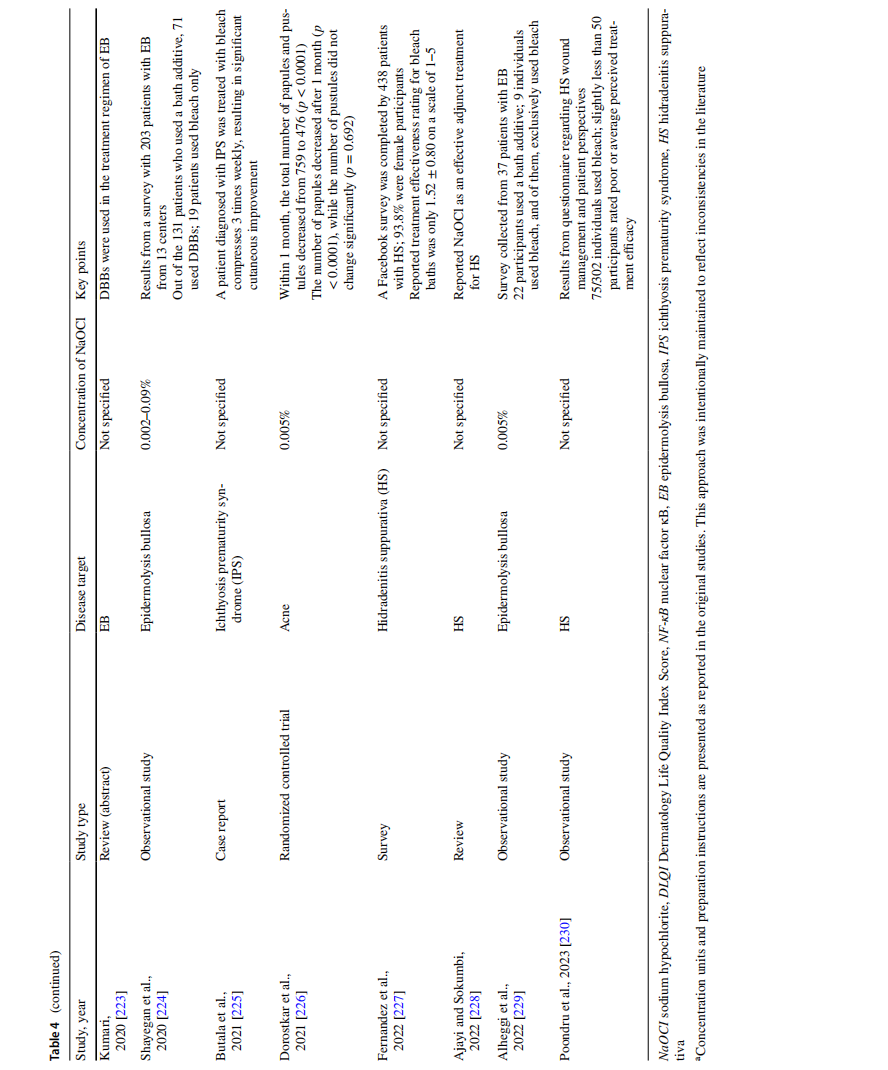
Results From 6959 deduplicated records, 222 studies published between 1915 and 2024 were identified for final inclusion. Four key clinical themes for NaOCl use emerged upon analysis of these publications: antimicrobial properties (n = 57), wound care (n = 64), eczematous skin disease (n = 78), and noneczematous inflammatory skin conditions (n = 23). NaOCl exhibits broad-spectrum activity against various organisms, notably Staphylococcus aureus and Pseudomonas aeruginosa, contributing to its effectiveness in treating chronically infected burns, ulcers, and other wounds. Limited studies also suggest NaOCl’s potential role in modulating critical processes that support wound repair. In addition, the anti-inflammatory effects of NaOCl have supported its utility in treating eczematous and noneczematous skin disorders.
Conclusions Current literature provides broad and extensive evidence supporting NaOCl’s role in wound-healing, antimicrobial, and anti-inflammatory activity. However, considerable heterogeneity exists in recommended concentrations, preparation methods, and usage instructions across studies. There is a need for more randomized controlled trials and standardized protocols to better define the efficacy, safety, and optimal use of NaOCl in dermatologic practice.
本文转载于American Journal of Clinical Dermatology (2026) 27:415–463,不代表本网站赞同其观点和对其真实性负责,我们只作于阅读分享,非商业用途,如若侵权,请告知删除。