Chun-Ju Chen 1 , Chun-Cheng Chen 2,3,* and Shinn-Jyh Ding 1,2,3,*
1Institute of Oral Science, Chung Shan Medical University, Taichung City 402, Taiwan; 该Email地址已收到反垃圾邮件插件保护。要显示它您需要在浏览器中启用JavaScript。
2School of Dentistry, Chung Shan Medical University, Taichung City 402, Taiwan
3Department of Dentistry, Chung Shan Medical University Hospital, Taichung City 402, Taiwan
*Correspondence: 该Email地址已收到反垃圾邮件插件保护。要显示它您需要在浏览器中启用JavaScript。 (C.-C.C.); 该Email地址已收到反垃圾邮件插件保护。要显示它您需要在浏览器中启用JavaScript。 (S.-J.D.);
Tel.: +886-6-2471-8668 (ext. 55255) (C.-C.C.); +886-6-2471-8668 (ext. 55529) (S.-J.D.)
Academic Editor: Ihtesham ur Rehman
Received: 13 April 2016; Accepted: 15 July 2016; Published: 19 July 2016
Abstract: Chemotherapeutic agents have been used as an adjunct to mechanical debridement for peri-implantitis treatment. The present in vitro study evaluated and compared the effectiveness of hypochlorous acid (HOCl), sodium hypochlorite (NaOCl), and chlorhexidine (CHX) at eliminating Gram-negative (E. coli and P. gingivalis) and Gram-positive (E. faecalis and S. sanguinis) bacteria. The effect of irrigating volume and exposure time on the antimicrobial efficacy of HOCl was evaluated, and a durability analysis was completed. Live/dead staining, morphology observation, alamarBlue assay, and lipopolysaccharide (LPS) detection were examined on grit-blasted and biofilm-contaminated titanium alloy discs after treatment with the three chemotherapeutic agents. The results indicated that HOCl exhibited better antibacterial efficacy with increasing irrigating volumes. HOCl achieved greater antibacterial efficacy as treatment time was increased. A decrease in antimicrobial effectiveness was observed when HOCl was unsealed and left in contact with the air. All the irrigants showed antibacterial activity and killed the majority of bacteria on the titanium alloy surfaces of biofilm-contaminated implants. Moreover, HOCl significantly lowered the LPS concentration of P. gingivalis when compared with NaOCl and CHX. Thus, a HOCl antiseptic may be effective for cleaning biofilm-contaminated implant surfaces.
Keywords: dental implant; hypochlorite acid; antiseptics; antimicrobial activity
Thomas H. Leung,1,2 Lillian F. Zhang,1 Jing Wang,1 Shoucheng Ning,3 Susan J. Knox,3 and Seung K. Kim1,4,5
1Department of Developmental Biology, 2Department of Dermatology, 3Department of Radiation Oncology, 4Howard Hughes Medical Institute, and 5Department of Medicine, Oncology Division, Stanford University School of Medicine, Stanford, California, USA.
Nuclear factor-κB (NF-κB) regulates cellular responses to inflammation and aging, and alterations in NF-κB signaling underlie the pathogenesis of multiple human diseases. Effective clinical therapeutics targeting this pathway remain unavailable. In primary human keratinocytes, we found that hypochlorite (HOCl) reversibly inhibited the expression of CCL2 and SOD2, two NF-κB–dependent genes. In cultured cells, HOCl inhibited the activity of inhibitor of NF-κB kinase (IKK), a key regulator of NF-κB activation, by oxidizing cysteine residues Cys114 and Cys115. In NF-κB reporter mice, topical HOCl reduced LPS-induced NF-κB signaling in skin. We further evaluated topical HOCl use in two mouse models of NF-κB–driven epidermal disease. For mice with acute radiation dermatitis, topical HOCl inhibited the expression of NF-κB–dependent genes, decreased disease severity, and prevented skin ulceration. In aged mice, topical HOCl attenuated age-dependent production of p16INK4a and expression of the DNA repair gene Rad50. Additionally, skin of aged HOCl-treated mice acquired enhanced epidermal thickness and proliferation, comparable to skin in juvenile animals. These data suggest that topical HOCl reduces NF-κB–mediated epidermal pathology in radiation dermatitis and skin aging through IKK modulation and motivate the exploration of HOCl use for clinical aims.
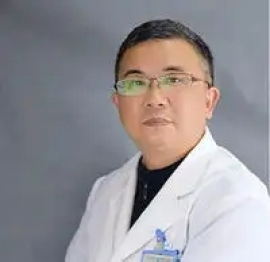
擅长治疗糖尿病、糖尿病足等疾病。发表专业论文20多篇,参与各项研究课题10多项,尤其擅长自身免疫性糖尿病的研究。
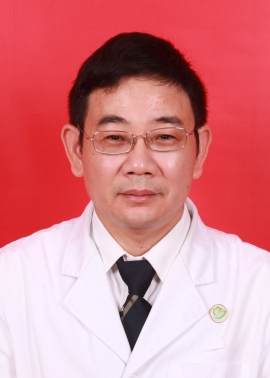
广东省医疗行业协会伤口管理分会主任委员,广东省医学会糖尿病分会副主任委员。 广东省人民医院内分泌科主任医师、教授。
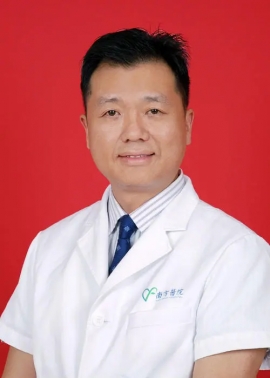
专长:重症烧伤救治。广东省医学会烧伤科分会主任委员、广东省医疗行业协会伤口管理分会副主委。
擅长:烧伤后期整形、各种顽固性创面如各种压力性溃疡、糖尿病足等治疗、危重烧伤救治、烧伤内脏并发症的防治、各种外伤后疤痕畸形的修复重建。发表论文40余篇。
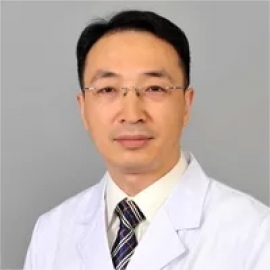
擅长大面积深度烧伤的早期救治、各种烧烫伤创面的综合处理、烧伤后瘢痕增生挛缩畸形的修复。长期致力于急性皮肤缺损、慢性皮肤溃疡(褥疮、糖尿病足等)的外科治疗。
伤口世界平台生态圈,以“关爱人间所有伤口患者”为愿景,连接、整合和拓展线上和线下的管理慢性伤口的资源,倡导远程、就近和居家管理慢性伤口,解决伤口专家的碎片化时间的价值创造、诊疗经验的裂变复制、和患者的就近、居家和低成本管理慢性伤口的问题。
2019广东省医疗行业协会伤口管理分会年会
扫一扫了解详情:
任何关于疾病的建议都不能替代执业医师的面对面诊断。所有门诊时间仅供参考,最终以医院当日公布为准。
网友、医生言论仅代表其个人观点,不代表本站同意其说法,请谨慎参阅,本站不承担由此引起的法律责任。