Catherine R. deVries *
Summary
Over the course of approximately 60 years, the field of pediatric urology has evolved as a convergence of pediatric surgery, urology, and plastic surgery to address congenital anomalies of the urinary tract and genitalia in children. Guide-lines for training and certification are narrowing in high-income countries (HICs) at the same time as the fertility rate is declining and the prevalence of complex genitourinary (GU) conditions is decreasing. In low-and middle-income countries (LMICs), health systems for large populations are currently in a state of stress. Here we briefly review the history of pediatric urology as a surgical subspecialty, identify unmet needs especially in LMICs and place the field in the context of a global surgical ecosystem.
Methods
The English language literature on workforce trends in pediatric urology, pediatric surgery and urology was reviewed as well as development of the emerging field of global surgery. Global surgery looks at the social, economic and political context of health systems as well as unmet clinical need. World trends in fertility rates were reviewed to identify regions of workforce surplus and gaps, supply chain needs, infrastructure and systems strengths and weaknesses.
Results
The proliferation of training programs in pediatric surgery and specialties in high-income countries (HICs) coupled with declining birth rates has led to a saturation of specialists and declining surgical case load. In LMICs, while the birth rate has also been declining, surgical specialization has not progressed. In the lowest income countries, especially in sub-Saharan Africa, training in pediatric surgical specialties and urology is rare. The broad workforce that supports surgical care, such as anesthesia, intensivist pediatrics, radiology, laboratory, and nursing face similar challenges. Supply chains for specialized pediatric urological surgery are weak.
Conclusion
There is an evolving maldistribution of pediatric surgical and pediatric urological workforce globally, with too few practitioners in LMICs and too many in HICs. The high cost of specialized equipment limits access to quality care, and the supply chain for consumables and medication is patchy. In LIC’s, basic community-based infrastructure for health including reliable electricity is lacking. Recent experience with Covid and environmental disasters has highlighted that even in HICs surgical resilience can be challenged. This is an opportunity to consider the state of children’s urological care globally and to build resilience by identifying and addressing strengths and gaps.
Ying‑Chu Lin1 , Cheng‑Feng Tsai1,2* and Hsiao‑Ling Huang3*
Abstract
Background The effects of a low concentration of hypochlorous acid (HOCl) mouthwash on salivary bacteria remained unclear. We aimed to evaluate the antibacterial effects of 100 ppm HOCl mouthwash on salivary bacteria, including Staphylococcus aureus (S. aureus), in patients with periodontal disease (PD).
Methods Patients with PD were randomized into mouthwash-only (MW, n=26) and mouthwash with periodon‑tal flosser (MWPF, n=27) groups. Patients without PD were selected for the control group (n=30). S. aureus culture and saliva samples (before and after the intervention) were collected for bacterial DNA extraction. A real-time poly‑ merase chain reaction assay and serial dilutions of S. aureus culture and saliva samples were used to measure the salivary bacteria total count (SBTC) and confirm the antibacterial effects of the mouthwash using S. aureus.
Results No significant difference in demographic data was observed among the three groups. Before the intervention, the baseline SBTC of the MW and MWPF groups was significantly higher than that of the control group. After the mouthwash rinses, the SBTC data significantly changed in the MW and MWPF groups only (by 62.4% and 77.4%, respectively). After the base-2 log-transformation of the SBTC data, a similar trend was observed. Linear regression revealed that baseline SBTC and the MWPF intervention significantly affected SBTC reduction percentage by volume. After incubation with 10% (v/v) of mouthwash, the survival rates of 106 and 107 colony-forming units/mL of S. aureus were 0.51%±0.06% and 1.42%±0.37%, respectively.
Conclusions These study results indicated that 100 ppm HOCl mouthwash treatment could effectively reduce SBTC in patients with PD and the abundance of S. aureus. It provides that the HOCl mouthwash can be an option for individuals to help control SBTC, especially in patients with PD.
Trial registration The study protocol was approved by the Institutional Review Board of Kaohsiung Medical University Hospital (KMUHIRB-F(I)-20200042) on 20/03/2020 and retrospectively registered at ClinicalTrial.gov (NCT05372835) on 13/05/2022.
Keywords Antibacterial ability, Total bacterial count, Hypochlorous acid, Mouthwash, Intervention, Bacterial growth estimation
原创:伤口治疗及造口护理中心
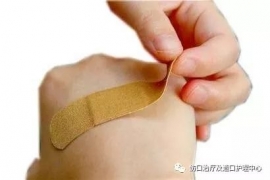
在日常生活中,当我们的机体受到伤害而造成伤口的时候,最希望伤口能够尽快愈合,恢复到未受伤时候的状态。通过观察不难发现,伤口几乎是一天一个样,那么机体是如何让伤口产生这些变化的呢?伤口有时如何进行修复的呢?
今天小编就告诉大家伤口的愈合过程,通过了解这个过程,我们能够更好地了解自己伤口所处在的周期,以及能够大概了解伤口是往好的方向发展还是往坏的方向恶化。话不多说,下面介绍今天的主题!
一旦有伤口出现,往往会有疼痛的症状发生,这些疼痛反复发作,让许多患者困扰不已。实际上导致患者出现伤口疼痛有些是伤口愈合期间的正常症状,有些由于伤口感染等原因导致,我们应该区别对待,区别处理。
伤口的愈合除了需要良好的环境以外,必不可少的就是需要充足的营养物质的提供。今天小编就给大家介绍一下与伤口愈合紧密相关的一些营养素(分为两次课程)。
原创:伤口治疗及造口护理中心
伤口世界平台生态圈,以“关爱人间所有伤口患者”为愿景,连接、整合和拓展线上和线下的管理慢性伤口的资源,倡导远程、就近和居家管理慢性伤口,解决伤口专家的碎片化时间的价值创造、诊疗经验的裂变复制、和患者的就近、居家和低成本管理慢性伤口的问题。
2019广东省医疗行业协会伤口管理分会年会
扫一扫了解详情:
任何关于疾病的建议都不能替代执业医师的面对面诊断。所有门诊时间仅供参考,最终以医院当日公布为准。
网友、医生言论仅代表其个人观点,不代表本站同意其说法,请谨慎参阅,本站不承担由此引起的法律责任。