
伤口世界

- 星期三, 22 11月 2023
Highlights from the 59th Annual Meeting of the European Association for the Study of Diabetes
The 59th European Association for the Study of Diabetes Annual Meeting was held on 2–6 October in Hamburg, Germany.
In this brief report, we summarise the key presentations from a primary care perspective.

- 星期二, 21 11月 2023
Diabetic gastroparesis
Gastroparesis is a recognised complication of diabetes (both type 1 and type 2) and, whilst not the most commonly observed complication, it carries with it a significant impact on a person’s health, glycaemic control, social functioning and mental wellbeing. Gastroparesis is often not well recognised because of the disparate group of symptoms it may present with. Symptoms are often misattributed or not recognised, and consequently the diagnosis is either missed or delayed. It should be managed by a multidisciplinary team with knowledge of and expertise in this area. Above all, the team should be understanding and help steer patients to the best supportive care.
Author: Simon Saunders, Clinical Lead Academic Consultant in Diabetes and Endocrinology, Mersey and West Lancashire Teaching Hospitals NHS Trust
Citation: Saunders S (2023) At a glance factsheet: Diabetic gastroparesis. Diabetes & Primary Care 25: 121–3

- 星期一, 20 11月 2023
Case report: An unexpectedly low HbA1c
David Morris, Probal Moulik
HbA1c has become a key parameter for diagnosing type 2 diabetes and for monitoring glycaemic control in all types of diabetes. This case study reports on a person who presented with an unexpectedly low HbA1c at an annual hypertension monitoring appointment. The aim of reviewing the case is to provide an understanding of HbA1c, its limitations, and the clinical situations in which it is unreliable and alternative measures of glycaemic control should be sought.
Citation: Morris D, Moulik P (2023) Case report: An unexpectedly low HbA1c. Diabetes & Primary Care 25: 153–5
Article learning points HbA1c is a surrogate marker for plasma glucose levels over the previous 3 months – an average that is skewed to more recent glucose readings.
HbA1c may be falsely lowered in conditions that reduce the lifespan of red blood cells or increase red cell turnover. Common examples include haemolytic anaemias and hypersplenism.
Conversely, HbA1c may be falsely elevated in conditions that extend erythrocyte survival or reduce erythrocyte turnover. Common examples include asplenia and deficiencies in iron, vitamin B12 or folate.
Haemoglobinopathies have a variable effect on HbA1c, and specialist advice should be sought.
Self-monitoring of blood glucose or continuous glucose monitoring should be used where HbA1c is unreliable. A 75 g oral glucose tolerance test is advised for diagnosis of diabetes in pregnancy. Fructosamine is an alternative measure of glycaemic control to HbA1c, reflecting control over the previous 2–3 weeks.
Authors
David Morris, Retired GP and Specialist Doctor in Diabetes, Undergraduate Clinical Tutor, Keele University; Consultant Endocrinologist, Probal Moulik, Shrewsbury and Telford Hospitals NHS Trust.

- 星期五, 17 11月 2023
Albuminuria – population screening is feasible but targeted screening is better
Albuminuria (an albumin:creatinine ratio [ACR] greater than 3 mg/mmol) is the earliest sign of chronic kidney disease (CKD), and is associated with increased risk of CKD progression and cardiovascular risk. Effective treatments are available to slow CKD progression and reduce the increased cardiovascular disease risk, and these are particularly effective in those with albuminuria, making early diagnosis of ACR >3 mg/mmol important. In the THOMAS (Towards Home-based Albuminuria Screening) prospective, randomised, open-label study, more than 15 000 adults aged 45–80 years in the Netherlands were assigned to testing using either a urine collecting device (UCD) returned to a laboratory or a dipstick and smartphone application at home. Participation rates were 59% with the UCD and 44.3% with the dipstick. Increased home albuminuria was confirmed in 3.3% of people using the UCD, with a number needed to test of 30 to identify one case of albuminuria, although this number increased to 58 when only new albuminuria was considered. Only the UCD was deemed sufficient in terms of specificity (97.3%) and sensitivity (96.6%) to be used as a screening test. Those with confirmed increased albuminuria were invited for “elaborate” (full renal and cardiovascular risk) screening in a hospital centre, and those with positive findings were referred back to their primary care team for management. More than 80% of those invited for the full screening attended but, of those referred back to primary care teams, only around half actually attended for treatment, and only 66% of these received the proposed treatments.
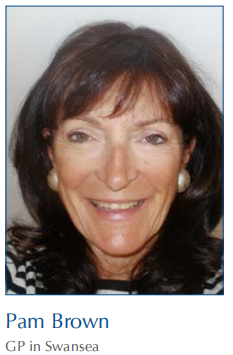
Citation: Brown P (2023) Diabetes Distilled: Albuminuria – population screening is feasible but targeted screening is better. Diabetes & Primary Care 25: 167–8

- 星期四, 16 11月 2023
Selective inactivation of Gram-positive bacteria in vitro and in vivo through metabolic labelling
Tao Feng1†* , Hui Lu1†, Xiaoting Ye1†, Chaofan Nie1 , Jianhong Zhang1 , Luofeng Yu1 , Haoyu Jin1 , Peng Li1* and Wei Huang1,2,3
ABSTRACT Bacterial infections are grave threats to human health, particularly those caused by the most common Grampositive bacteria. The massive administration of broad-spectrum antibiotics to treat various bacterial infections has led to the evolution and spread of drug resistance. As a universal antimicrobial technique unapt to induce drug resistance, photothermal therapy (PTT) is attracting extensive attention in recent years. However, its unspecific killing capability and side effects towards adjacent mammalian cells severely impede the practical applications. Herein, we proposed a metabolic engineering strategy to selectively inactivate Gram-positive bacteria by PTT. A bioorthogonal photothermal agent was prepared by the conjugation of IR-780 iodide and dibenzocyclooctyne (IR780-DBCO). Upon pre-metabolizing with 3-azido-D-alanine, Gram-positive bacteria rather than Gramnegative ones, such as Staphylococcus aureus and vancomycinresistant Enterococcus faecalis (VRE), could be specifically tied up by the explosive IR780-DBCO via copper-free click chemistry. Thereafter, they spontaneously detonated under 15 min near-infrared light irradiation and inactivated nearly 100% Gram-positive bacteria in vitro. Moreover, superbug VRE-induced infection was significantly inhibited by this approach in a mouse skin wound model. This metabolic labelling-based photothermal ablation strategy specific to Gram-positive microbes would stimulate the development of precise antibacterial candidates for preclinical applications.
Keywords: Gram-positive bacteria, selective inactivation, photothermal agent, metabolic labelling, wound infection
1 Frontiers Science Center for Flexible Electronics (FSCFE), Xi’an Institute of Flexible Electronics (IFE), Xi’an Institute of Biomedical Materials and Engineering (IBME), Ningbo Institute & Chongqing Technology Innovation Center, Northwestern Polytechnical University (NPU), Xi’an 710072, China
2 Key Laboratory of Flexible Electronics (KLOFE) & Institute of Advanced Materials (IAM), Nanjing Tech University (NanjingTech), Nanjing 211816, China
3 Key Laboratory for Organic Electronics and Information Displays & Institute of Advanced Materials (IAM), Nanjing University of Posts and Telecommunications, Nanjing 210023, China † These authors contributed equally to this work.
* Corresponding authors: (emails: 该Email地址已收到反垃圾邮件插件保护。要显示它您需要在浏览器中启用JavaScript。 (Li P); 该Email地址已收到反垃圾邮件插件保护。要显示它您需要在浏览器中启用JavaScript。 (Feng T))

- 星期三, 15 11月 2023
Room-temperature and gram-scale constructed Cu@CuO with promoted kinetics for glucose electrooxidation in the Faraday process
Suyuan Li1* , Haiyan Xia2 , Yanpeng Liu3 , Cheng Cao1 , Siyang Li1 , Xiaojun Wang1 , Na Tian1 , Lixia Liu2 , Pengfei Lu4* , Changyun Quan2* , Junhua Luo1 and Shanglong Peng3*
ABSTRACT In clinical applications, disposable strip glucose sensors can monitor and maintain daily glucose levels for diabetes to prevent and avoid life-threatening complications.
In this paper, gram-scale Cu@CuO was synthesized via a controlled in-situ oxidation process of commercial Cu at room temperature. As a catalytic material for glucose electrooxidation in sensors, Cu@CuO is screen-printed onto silver-carbon working/counter electrodes. The obtained electrodes exhibit enhanced electrocatalytic behaviors for glucose oxidation, including a low limit of detection (1.3 μmol L−1) with a corresponding linear range (0.0013–2.5 mmol L−1), good selectivity, repeatability (20 electrodes with 4.28% relative standard deviation), high sensitivity (0.03 μA mmol−1 L cm−2), as well as air storage stability for more than three weeks. Calculation results show that the Cu component can not only increase the electronic conductivity, but also enhance the glucose adsorption ability of Cu@CuO, leading to a promoted kinetics in the Faraday process. More significantly, the large-scale preparation and wide applications in clinical electrodes make Cu@CuO a considerable and sustainable improvement for non-enzymatic glucose sensing applications.
Keywords: electrochemical sensor, Cu@CuO, glucose detection, screen-printing technique, room temperature
1 Institute of New Energy, Hexi University, Zhangye 734000, China
2 Cofoe Medical Technology Co., Ltd, Changsha 410000, China
3 School of Materials and Energy, Lanzhou University, Lanzhou 730000, China
4 School of Chemistry and Chemical Engineering, Suzhou University, Suzhou 234000, China
* Corresponding authors (emails: 该Email地址已收到反垃圾邮件插件保护。要显示它您需要在浏览器中启用JavaScript。 (Li S); 该Email地址已收到反垃圾邮件插件保护。要显示它您需要在浏览器中启用JavaScript。 (Lu P); 该Email地址已收到反垃圾邮件插件保护。要显示它您需要在浏览器中启用JavaScript。 (Quan C); 该Email地址已收到反垃圾邮件插件保护。要显示它您需要在浏览器中启用JavaScript。 (Peng S))