
本文转载于mBio,不代表本网站赞同其观点和对其真实性负责,我们只作于阅读分享,非商业用途,如若侵权,请告知删除。
Sadia Sultana, a Mary E. Crompton, a Kennadi Meurer, a Olivia Jankiewicz, a Grace H. Morales, b Colton Johnson, a Elise Horbach, a Kevin Pierre Hoffmann, a Pooja Kr, c Ritika Shah, a Greg M. Anderson, a Nathan T. Mortimer, c Jonathan E. Schmitz, b,d Maria Hadjifrangiskou, b,d Alessandro Foti, e Jan-Ulrik Dahla
aSchool of Biological Sciences, Microbiology, Illinois State University, Normal, Illinois, USA
bDepartment of Pathology, Microbiology and Immunology, Division of Molecular Pathogenesis, Vanderbilt University Medical Center, Nashville, Tennessee, USA
cSchool of Biological Sciences, Cellular Immunology, Illinois State University, Normal, Illinois, USA
dVanderbilt Institute of Infection, Immunology and Inflammation, Nashville, Tennessee, USA
eMax Planck Institute for Infection Biology, Cellular Microbiology, Berlin, Germany
ABSTRACT
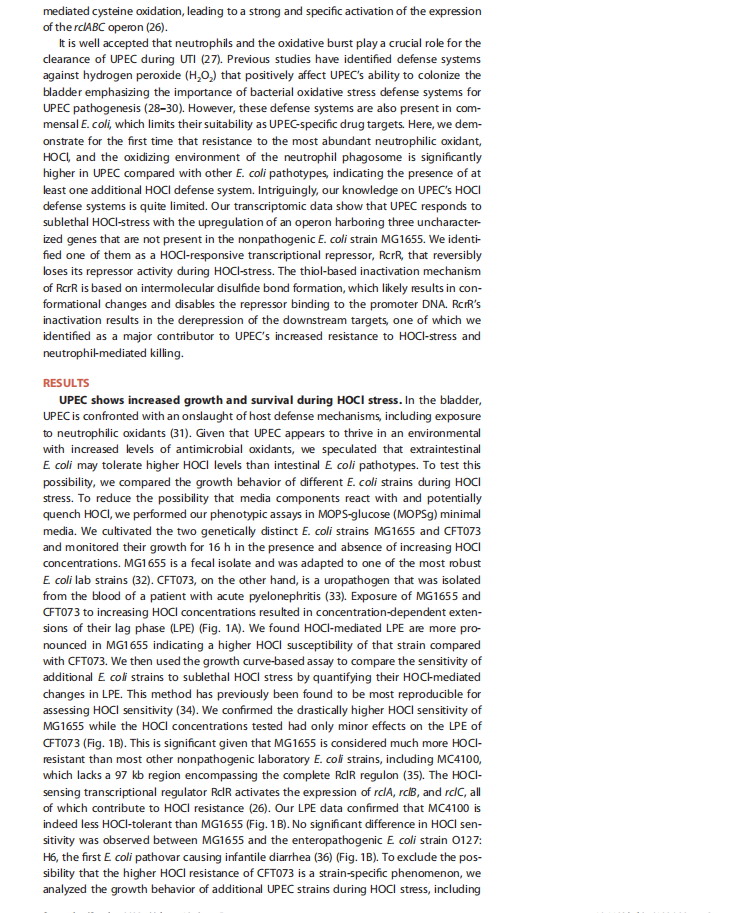
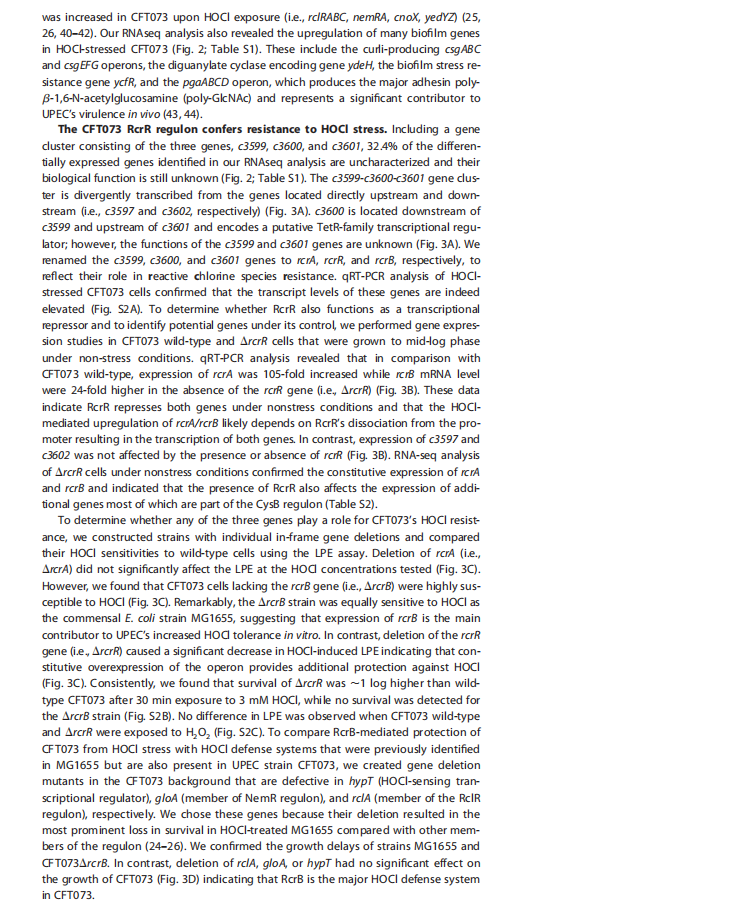
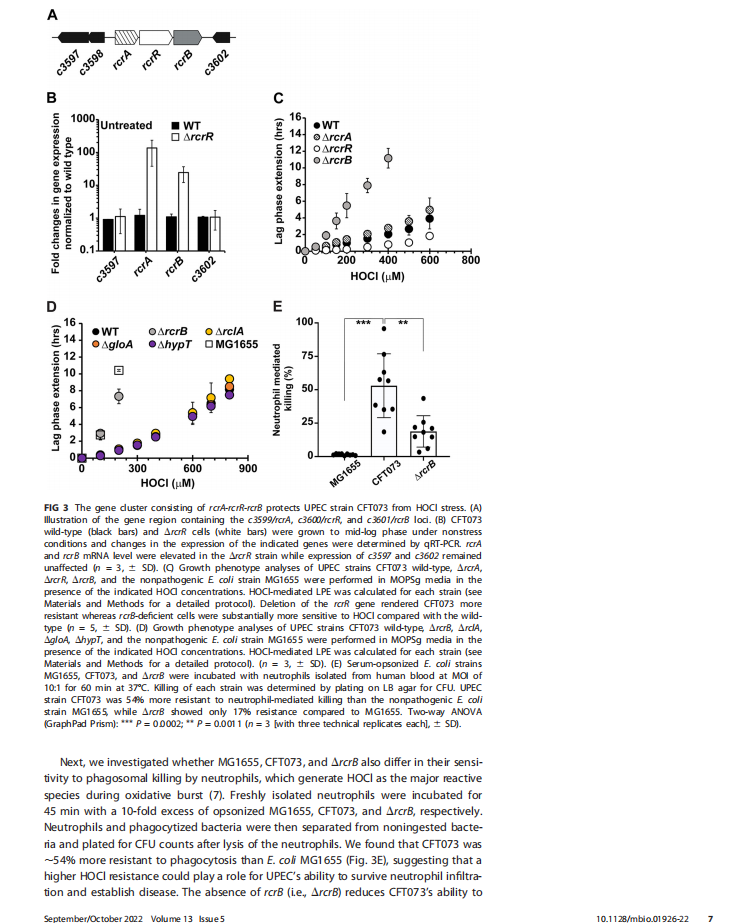
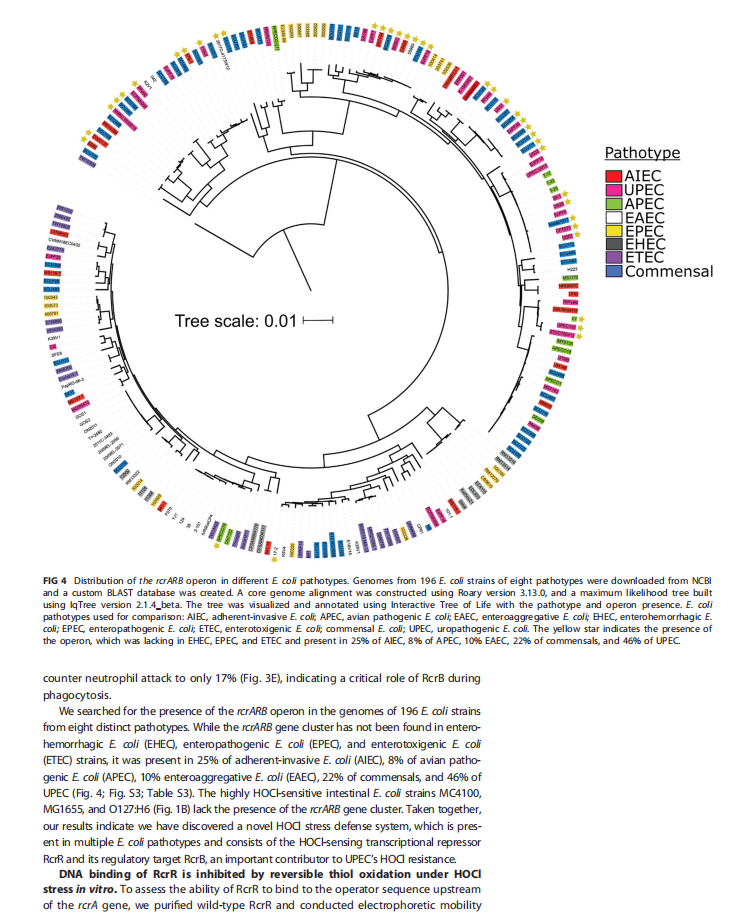
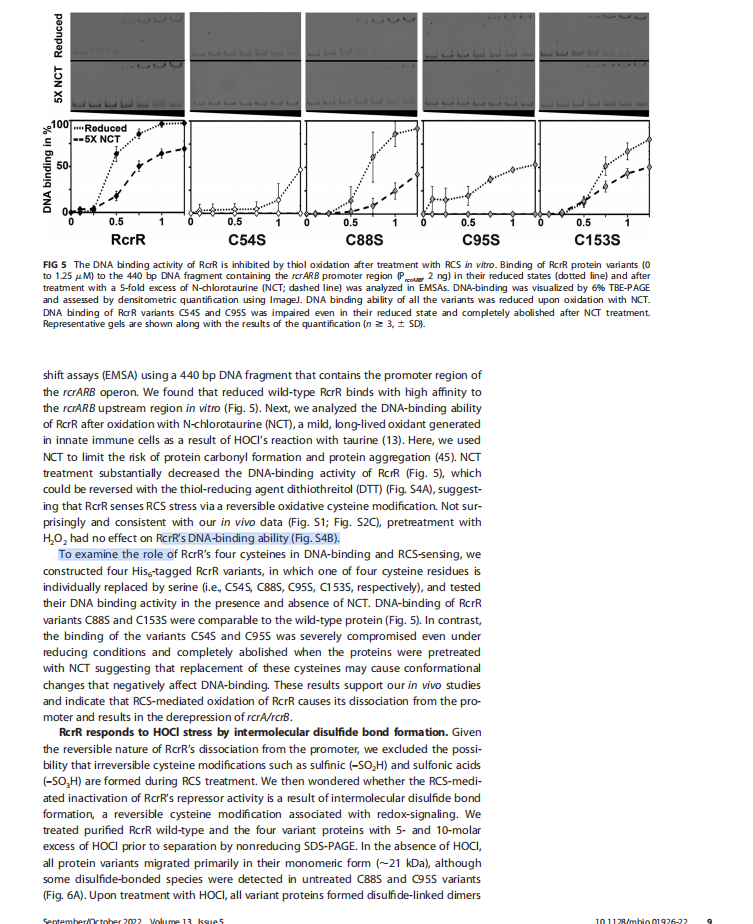
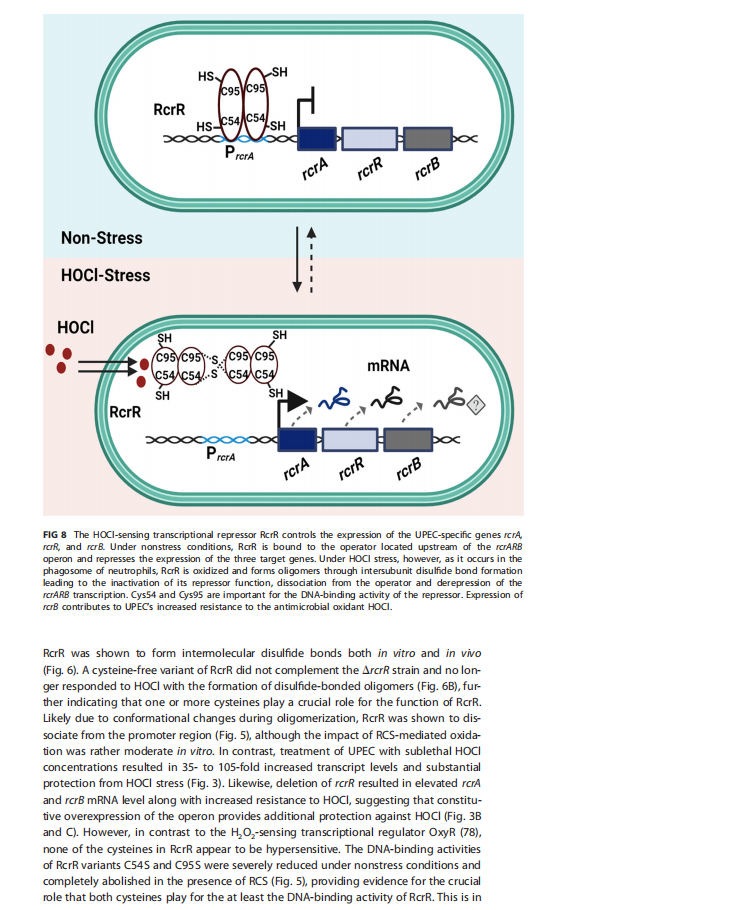
The ability to overcome stressful environments is critical for pathogen survival in the host. One challenge for bacteria is the exposure to reactive chlorine species (RCS), which are generated by innate immune cells as a critical part of the oxidative burst. Hypochlorous acid (HOCl) is the most potent antimicrobial RCS and is associated with extensive macromolecular damage in the phagocytized pathogen. However, bacteria have evolved defense strategies to alleviate the effects of HOCl-mediated damage. Among these are RCS-sensing transcriptional regulators that control the expression of HOCl-protective genes under non-stress and HOCl stress. Uropathogenic Escherichia coli (UPEC), the major causative agent of urinary tract infections (UTIs), is particularly exposed to infiltrating neutrophils during pathogenesis; however, their responses to and defenses from HOCl are still completely unexplored. Here, we present evidence that UPEC strains tolerate higher levels of HOCl and are better protected from neutrophil-mediated killing compared with other E. coli. Transcriptomic analysis of HOCl-stressed UPEC revealed the upregulation of an operon consisting of three genes, one of which encodes the transcriptional regulator RcrR. We identified RcrR as a HOCl-responsive transcriptional repressor, which, under non-stress conditions, is bound to the operator and represses the expression of its target genes. During HOCl exposure, however, the repressor forms reversible intermolecular disulfide bonds and dissociates from the DNA resulting in the derepression of the operon. Deletion of one of the target genes renders UPEC significantly more susceptible to HOCl and phagocytosis indicating that the HOCl-mediated induction of the regulon plays a major role for UPEC’s HOCl resistance. IMPORTANCE How do pathogens deal with antimicrobial oxidants produced by the innate immune system during infection? Uropathogenic Escherichia coli (UPEC), the most common etiological agent of urinary tract infections (UTIs), is particularly exposed to infiltrating neutrophils and, therefore, must counter elevated levels of the antimicrobial oxidant HOCl to establish infection. Our study provides fundamentally new insights into a defense mechanism that enables UPEC to fend off the toxic effects of HOCl stress. Intriguingly, the defense system is predominantly found in UPEC and absent in noninvasive enteropathogenic E. coli. Our data suggest expression of the target gene rcrB is exclusively responsible for UPEC’s increased HOCl tolerance in culture and contributes to UPEC’s survival during phagocytosis. Thus, this novel HOCl stress defense system could potentially serve as an attractive drug target to increase the body’s own capacity to fight UTIs.
KEYWORDS bacterial defense systems, hypochlorous acid, oxidative stress, reactive chlorine species, transcriptional regulation
本文转载于mBio,不代表本网站赞同其观点和对其真实性负责,我们只作于阅读分享,非商业用途,如若侵权,请告知删除。