伤口世界
  • 首页
  • 病情图文
    • 糖尿病足
    • 压疮
    • 感染伤口
    • 造口
    • 溃疡
      • 动脉性溃疡
      • 静脉性溃疡
      • 放射性溃疡
    • 烧伤
    • 创伤
    • 少见伤口
    • 祛疤止痒
    • 皮肤病
  • 医师讲座
  • 名医介绍
    专业服务
    • 糖尿病足
    • 压疮
    • 造口
    • 溃疡
    • 烧伤
    蔡道章院长

    Custom Mod Mega1

    主任医师、教授、博导,南方医科大学第三附属医院(广东省骨科医院)院长

    • 中德骨科伤口管理学校校长
    • 广东省骨科研究院运动医学研究所所长
    • 广东省内运动医学专业唯一的博士研究生导师
    • 美国哈弗大学医学院骨科访问学者
    • 专业特长处于省内领先、国内或国际先进水平以上
    • 2018年获得“国之名医卓越建树”荣誉称号
    • 2017年被评为全国卫生计生系统先进工作者、广东省医学领军人才
    • 中国医师协会运动医师分会副会长
    • STCOT中国部运动医学分会副主任委员
    • 广东省医学会关节外科分会主任委员
    • 广东省医学会运动医学会分会名誉主任委员
    • 独立承担过国家“863”课题,主持过10余项省、部级科研项目
    • 多份专业杂志编委
  • 文献精选
    伤口分类
    • 糖尿病足
    • 压疮
    • 感染伤口
    • 造口
    • 溃疡
    • 烧伤
    • 更多关于伤口信息
    最新文献
    • The Use of Hypochlorous Acid Lavage to Treat Infected Cavity Wounds 2026-11-24 00:00

      Summary: Managing cavity wounds that cannot be cleaned using standard irrigating solution is challenging. An immunocompromised patient with a horseshoe perianal abscess was selected to represent a heavy infection in cavity wounds. Diluted povidone-iodine was initially used to lavage the wounds, but the fever persisted and the irrigation was painful. Hypochlorous acid was then used to irrigate the wound. One day after administration of the hypochlorous acid, the fever began to subside, suggesting that this solution was able to adequately destroy the infecting microorganisms. The patient rated his pain during this procedure as 2/10. The infection had cleared within 2 weeks, and a swab culture found no microbial growth. The wound volume was reduced by more than 90% after 5 weeks, and final wound closure was achieved after 6 weeks. By comparison, another patient with a horseshoe perianal abscess who underwent traditional irrigation with diluted povidone-iodine and wet-to-dry dressing faced similar problems, but the fever in this case did not subside, and the wound became more complicated. He complained of pain during the irrigation with diluted povidone-iodine, giving the procedure a pain score of 10/10. Wound care was also difficult due to fecal contamination. As a result, the patient had to undergo colostomy to divert feces to the abdomen, thus preventing it from contaminating the wound. Time to final wound closure was 10 weeks. These cases illustrate the effectiveness of hypochlorous acid in dealing with infection in wound cavities. (Plast Reconstr Surg Glob Open 2020;8:e2604; doi: 10.1097/GOX.0000000000002604; Published online 24 January 2020.)

    • Redox-Mediated Inactivation of the Transcriptional Repressor RcrR is Responsible for Uropathogenic Escherichia coli’s Increased Resistance to Reactive Chlorine Species 2026-11-23 00:00

      Sadia Sultana, a Mary E. Crompton, a Kennadi Meurer, a Olivia Jankiewicz, a Grace H. Morales, b Colton Johnson, a Elise Horbach, a Kevin Pierre Hoffmann, a Pooja Kr, c Ritika Shah, a Greg M. Anderson, a Nathan T. Mortimer, c Jonathan E. Schmitz, b,d Maria Hadjifrangiskou, b,d Alessandro Foti, e Jan-Ulrik Dahla

      aSchool of Biological Sciences, Microbiology, Illinois State University, Normal, Illinois, USA

      bDepartment of Pathology, Microbiology and Immunology, Division of Molecular Pathogenesis, Vanderbilt University Medical Center, Nashville, Tennessee, USA

      cSchool of Biological Sciences, Cellular Immunology, Illinois State University, Normal, Illinois, USA

      dVanderbilt Institute of Infection, Immunology and Inflammation, Nashville, Tennessee, USA

      eMax Planck Institute for Infection Biology, Cellular Microbiology, Berlin, Germany

      ABSTRACT

      The ability to overcome stressful environments is critical for pathogen survival in the host. One challenge for bacteria is the exposure to reactive chlorine species (RCS), which are generated by innate immune cells as a critical part of the oxidative burst. Hypochlorous acid (HOCl) is the most potent antimicrobial RCS and is associated with extensive macromolecular damage in the phagocytized pathogen. However, bacteria have evolved defense strategies to alleviate the effects of HOCl-mediated damage. Among these are RCS-sensing transcriptional regulators that control the expression of HOCl-protective genes under non-stress and HOCl stress. Uropathogenic Escherichia coli (UPEC), the major causative agent of urinary tract infections (UTIs), is particularly exposed to infiltrating neutrophils during pathogenesis; however, their responses to and defenses from HOCl are still completely unexplored. Here, we present evidence that UPEC strains tolerate higher levels of HOCl and are better protected from neutrophil-mediated killing compared with other E. coli. Transcriptomic analysis of HOCl-stressed UPEC revealed the upregulation of an operon consisting of three genes, one of which encodes the transcriptional regulator RcrR. We identified RcrR as a HOCl-responsive transcriptional repressor, which, under non-stress conditions, is bound to the operator and represses the expression of its target genes. During HOCl exposure, however, the repressor forms reversible intermolecular disulfide bonds and dissociates from the DNA resulting in the derepression of the operon. Deletion of one of the target genes renders UPEC significantly more susceptible to HOCl and phagocytosis indicating that the HOCl-mediated induction of the regulon plays a major role for UPEC’s HOCl resistance. IMPORTANCE How do pathogens deal with antimicrobial oxidants produced by the innate immune system during infection? Uropathogenic Escherichia coli (UPEC), the most common etiological agent of urinary tract infections (UTIs), is particularly exposed to infiltrating neutrophils and, therefore, must counter elevated levels of the antimicrobial oxidant HOCl to establish infection. Our study provides fundamentally new insights into a defense mechanism that enables UPEC to fend off the toxic effects of HOCl stress. Intriguingly, the defense system is predominantly found in UPEC and absent in noninvasive enteropathogenic E. coli. Our data suggest expression of the target gene rcrB is exclusively responsible for UPEC’s increased HOCl tolerance in culture and contributes to UPEC’s survival during phagocytosis. Thus, this novel HOCl stress defense system could potentially serve as an attractive drug target to increase the body’s own capacity to fight UTIs.

      KEYWORDS bacterial defense systems, hypochlorous acid, oxidative stress, reactive chlorine species, transcriptional regulation

  • 互动快递
  • 首页
  • 病情图文
    • 糖尿病足
    • 压疮
    • 感染伤口
    • 造口
    • 溃疡
      • 动脉性溃疡
      • 静脉性溃疡
      • 放射性溃疡
    • 烧伤
    • 创伤
    • 少见伤口
    • 祛疤止痒
    • 皮肤病
  • 医师讲座
  • 名医介绍
    • 专业服务
      • 糖尿病足
      • 压疮
      • 造口
      • 溃疡
      • 烧伤
    • 蔡道章院长
  • 文献精选
    • 伤口分类
      • 糖尿病足
      • 压疮
      • 感染伤口
      • 造口
      • 溃疡
      • 烧伤
      • 更多关于伤口信息
    • 最新文献
  • 互动快递
  • 当前位置: 
  • 首页
  • 文献精选
  • 基础数据
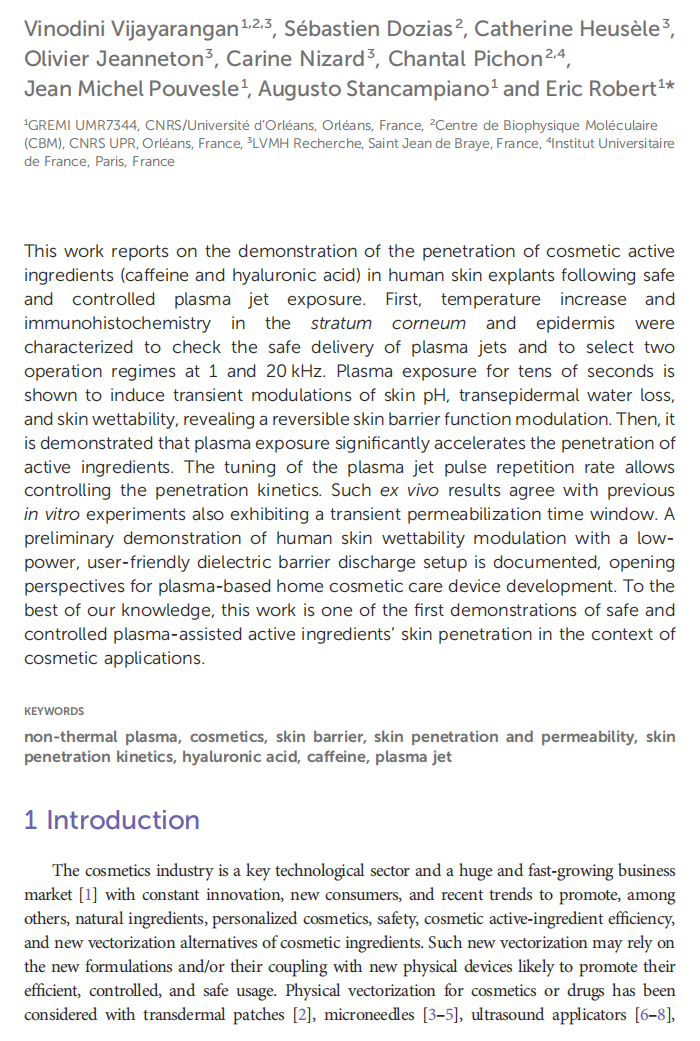
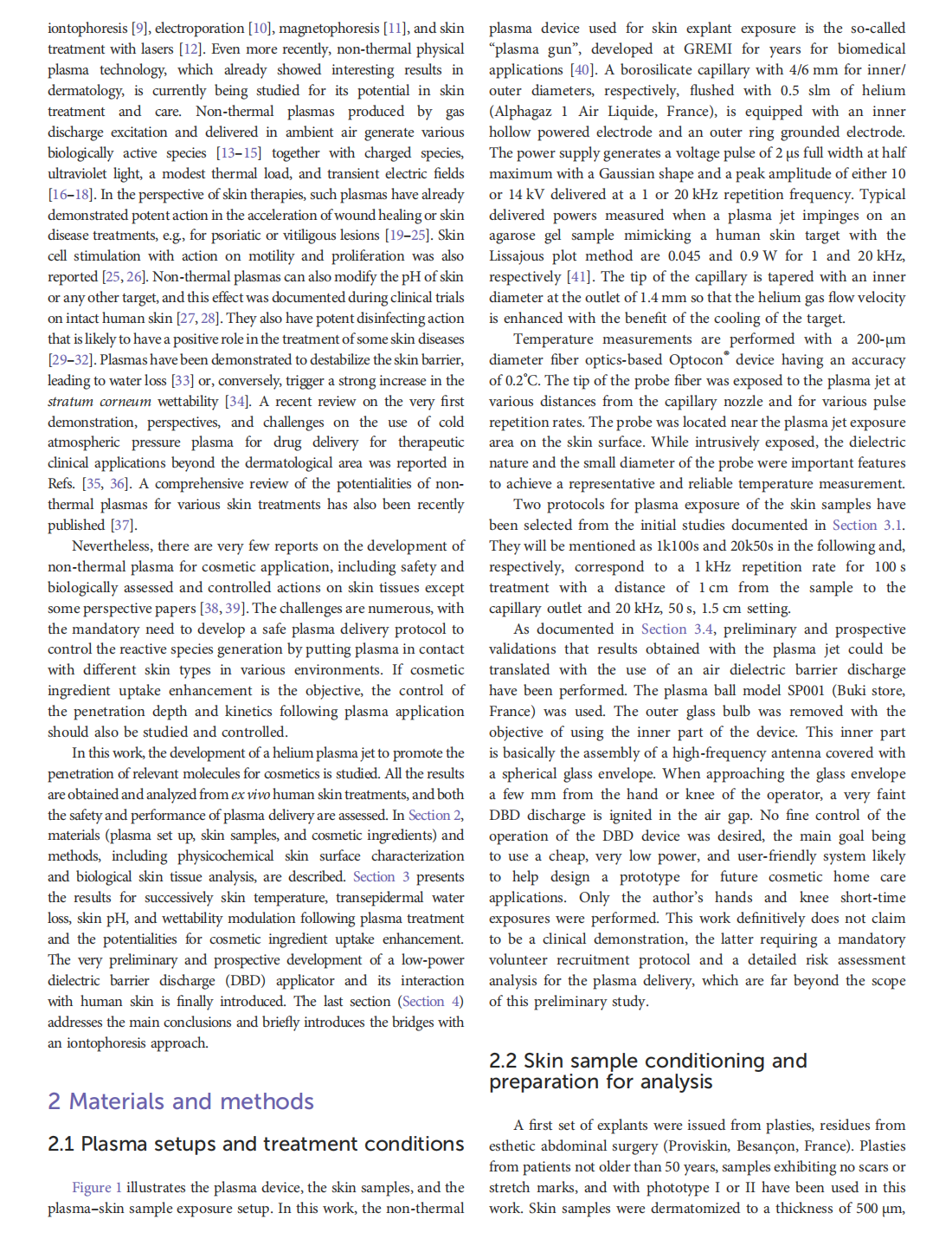
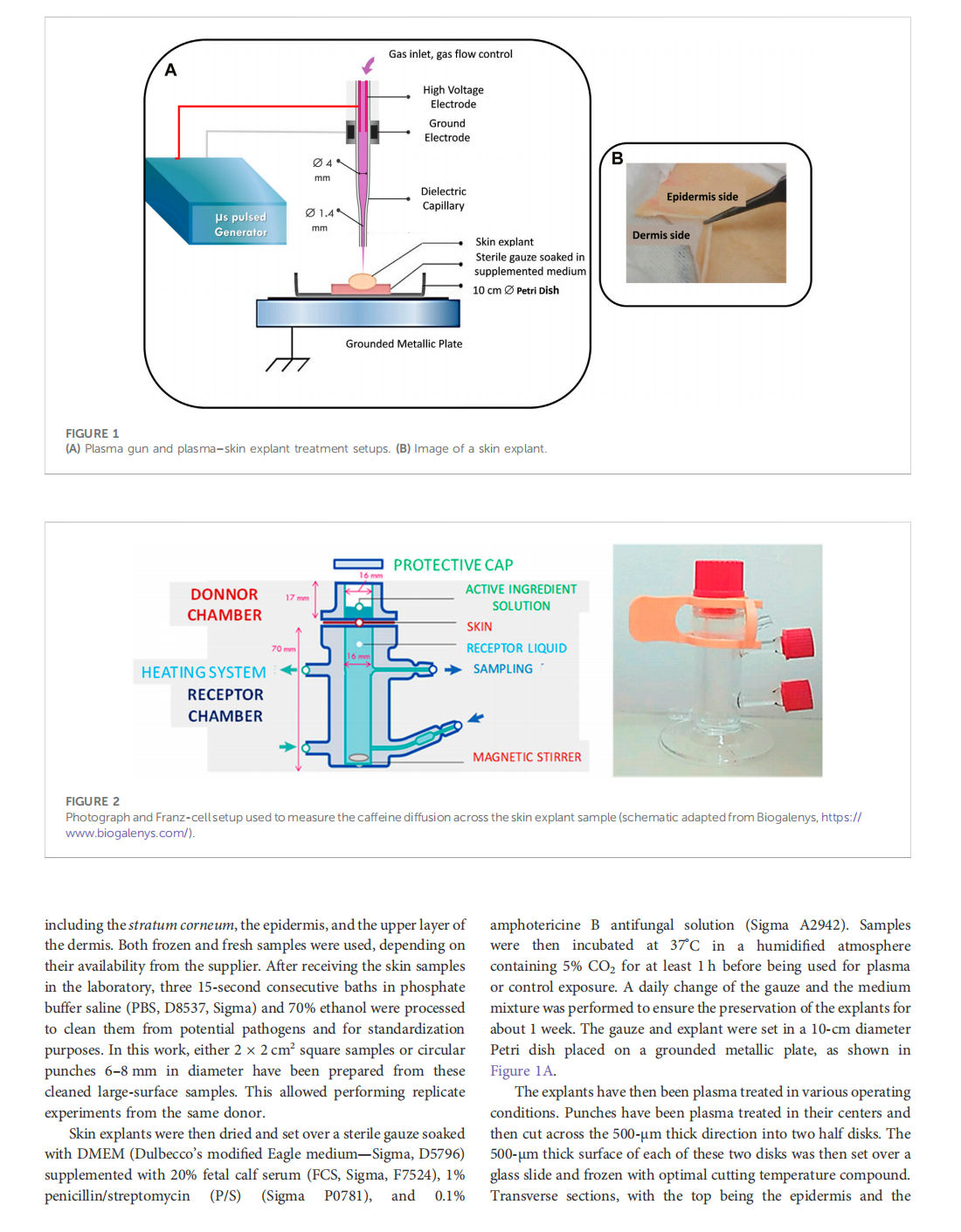
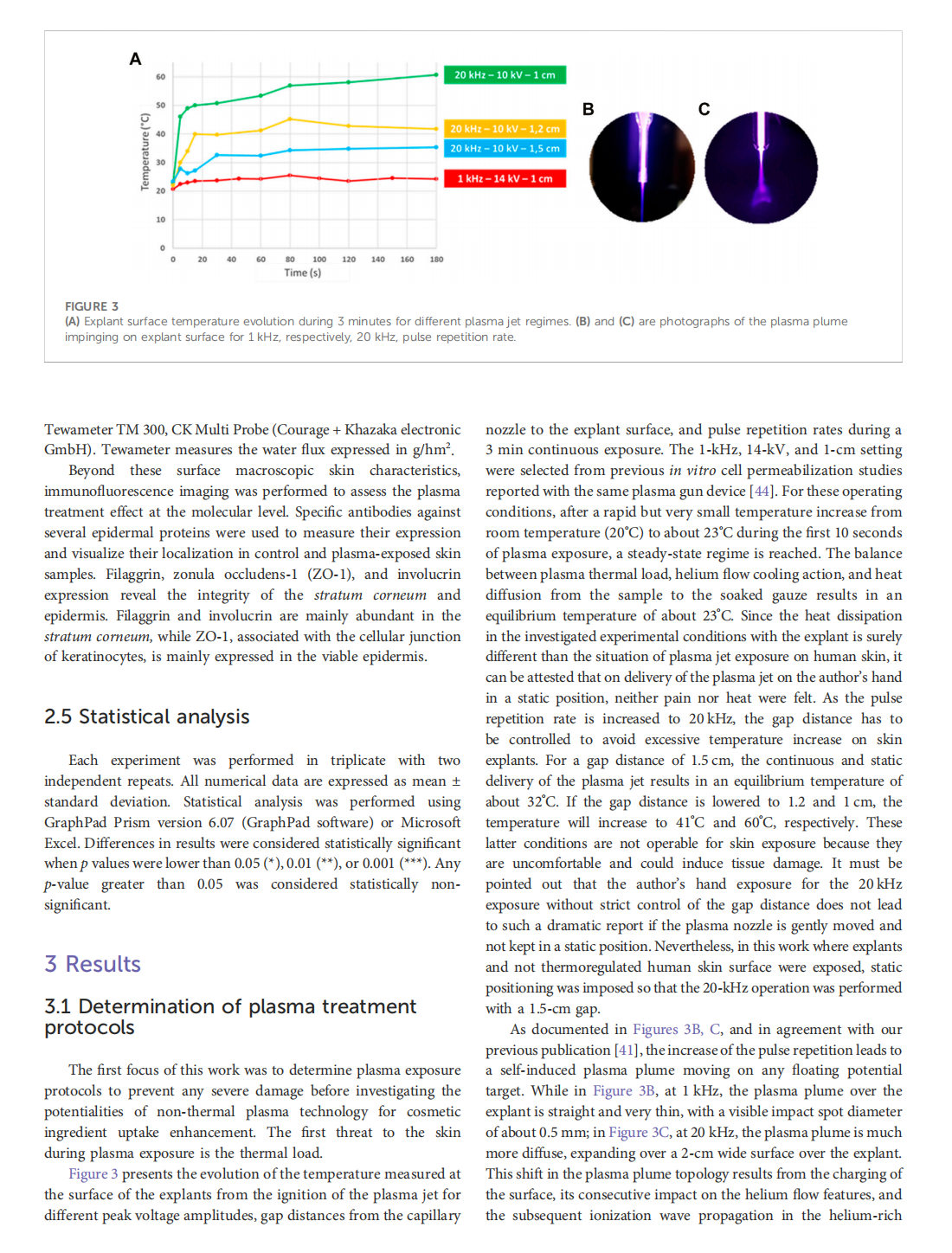
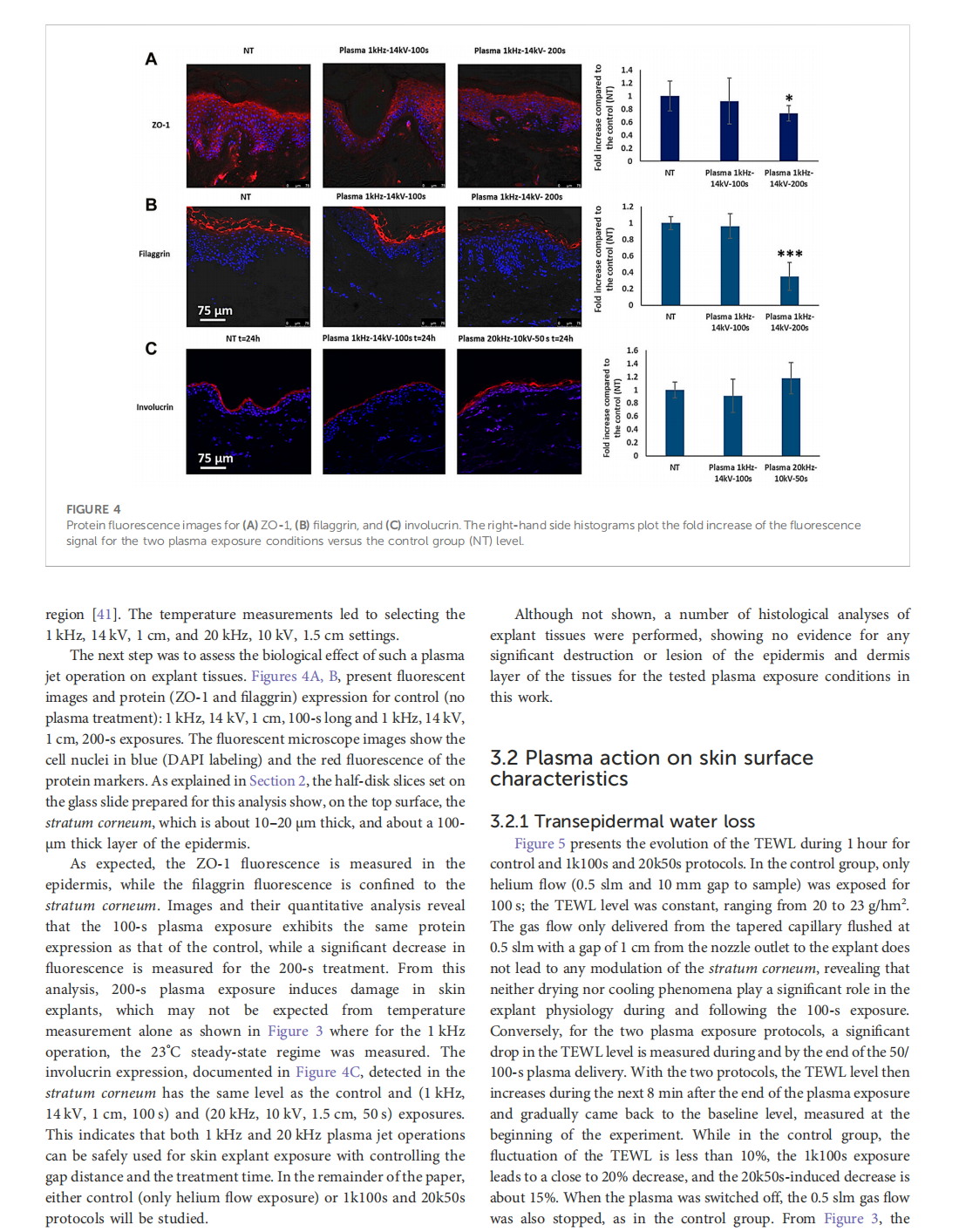
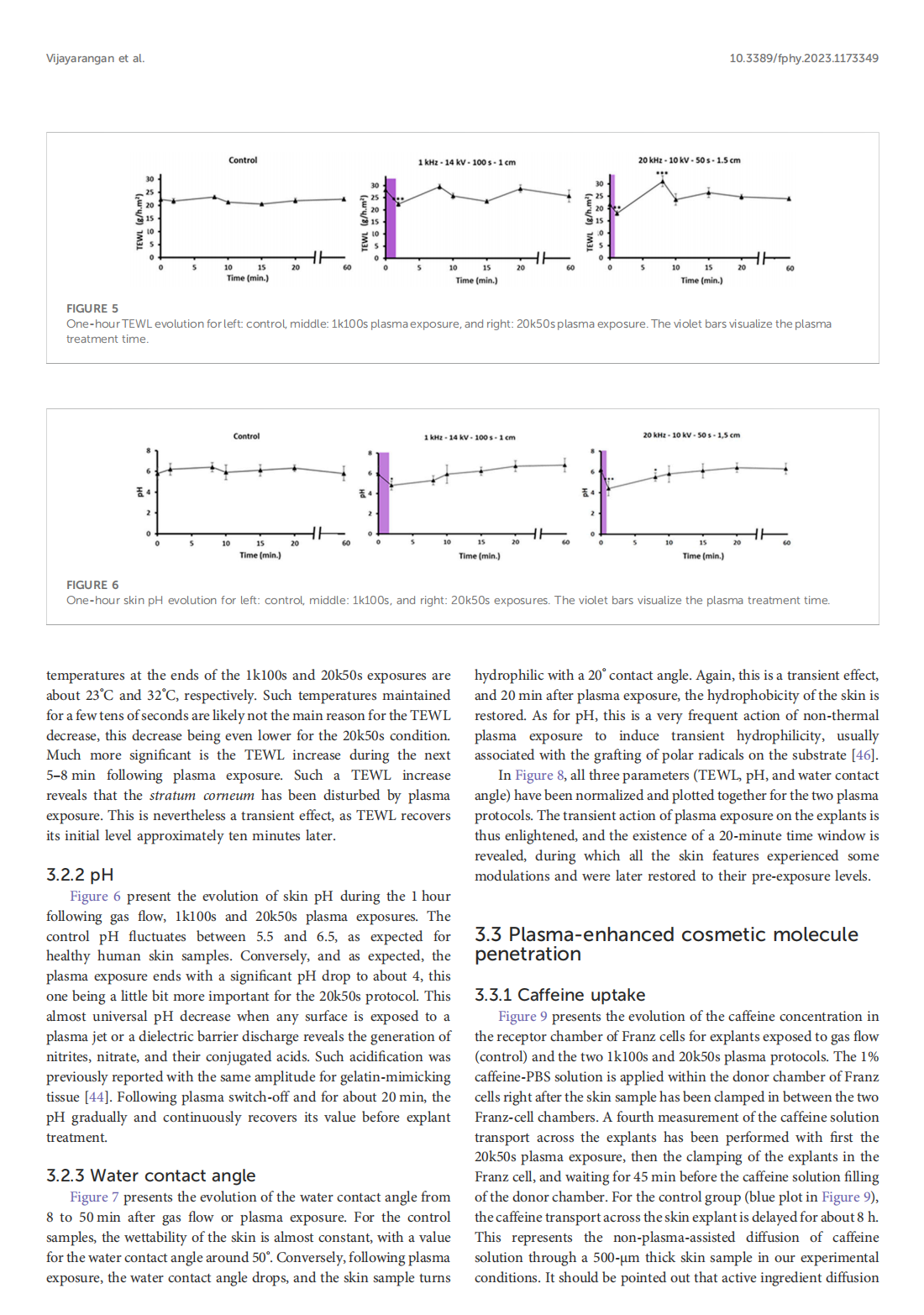
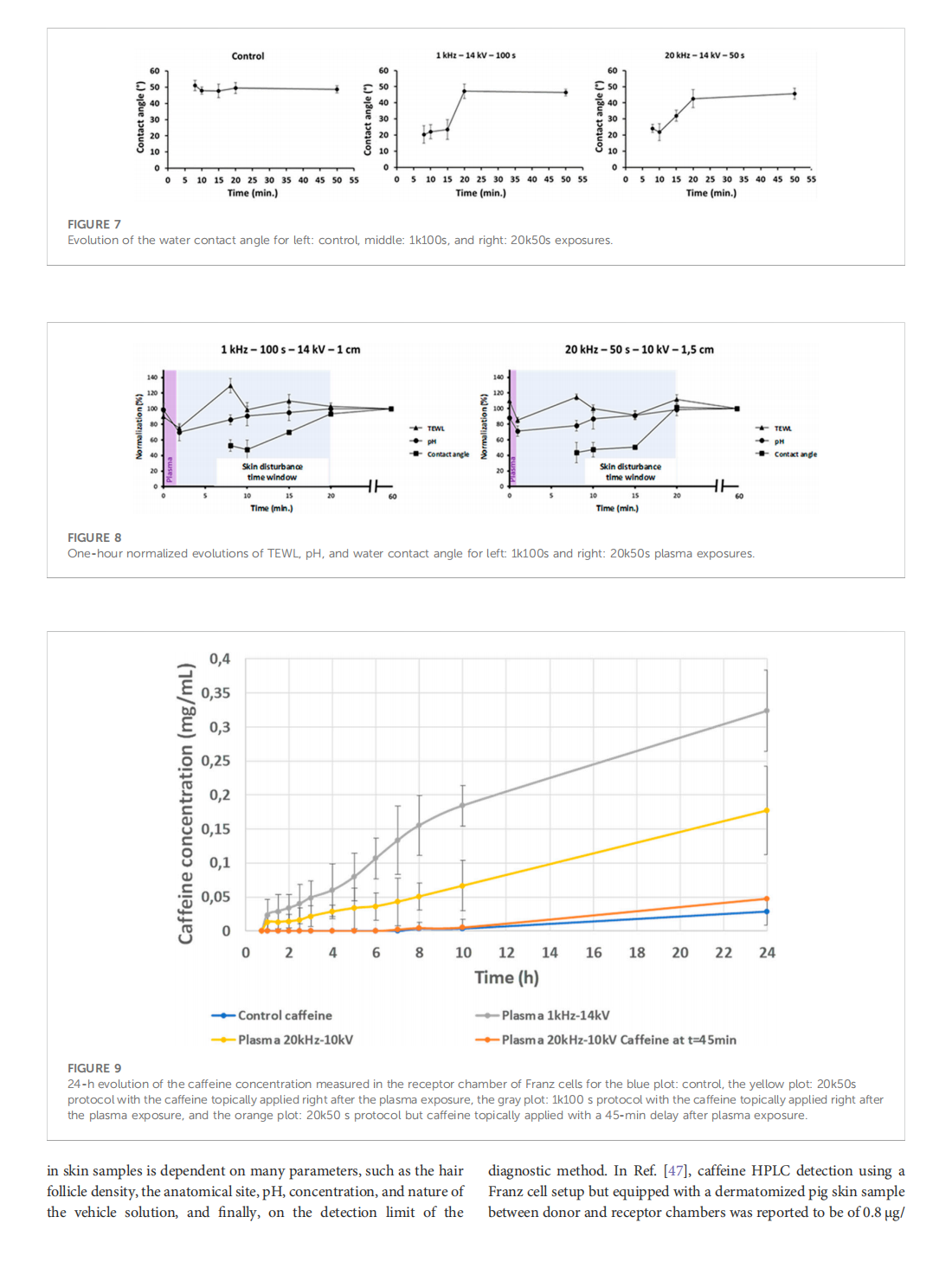
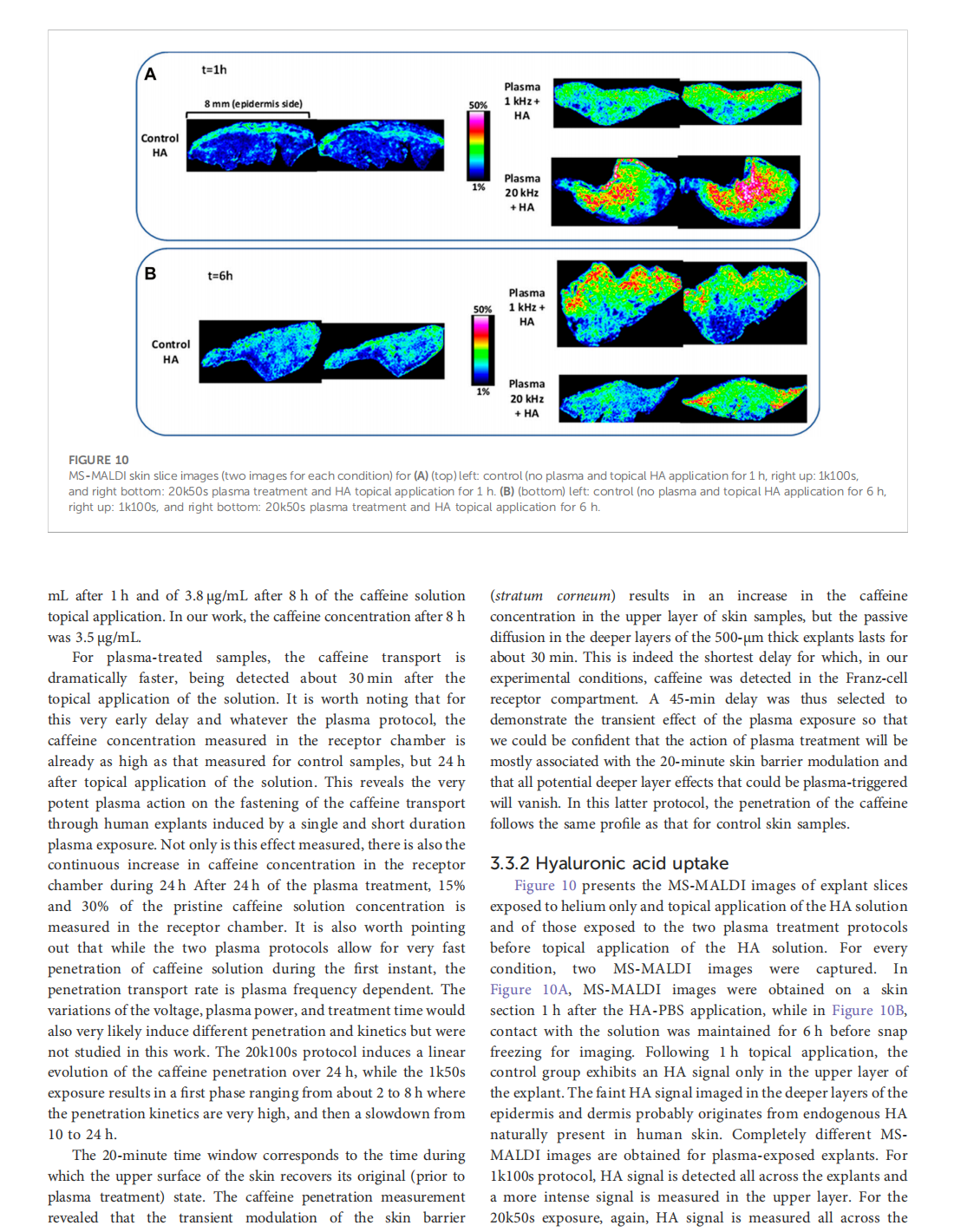
  • Boost of cosmetic active ingredient penetration triggered and controlled by the delivery of kHz plasma jet on human skin explants

Boost of cosmetic active ingredient penetration triggered and controlled by the delivery of kHz plasma jet on human skin explants

  • 字号 + –
24 12月 2025
  • 1
  • 2
  • 3
  • 4
  • 5
Author :   伤口世界
Boost of cosmetic active ingredient penetration triggered and controlled by the delivery of kHz plasma jet on human skin explants

This article is excerpted from the 《Frontiers in Physics》 by Wound World 

4393 Views
伤口世界

伤口世界

Latest from  伤口世界

  • The Use of Hypochlorous Acid Lavage to Treat Infected Cavity Wounds
  • Redox-Mediated Inactivation of the Transcriptional Repressor RcrR is Responsible for Uropathogenic Escherichia coli’s Increased Resistance to Reactive Chlorine Species
  • Self-assembly of Hyaluronic Acid-CuQuercetin flavonoid nanoparticles: synergistic chemotherapy to target tumors
  • In Vitro and In Vivo Antimicrobial Activity of Hypochlorous Acid against Drug-Resistant and Biofilm-Producing Strains
  • Analyses of the Chemical Composition of Plasma-Activated Water and Its Potential Applications for Vaginal Health

Categories

  • 病情图文
  • 文献精选
  • 名医介绍
  • K2 Content
  • The Use of Hypochlorous Acid Lavage to Treat Infected Cavity Wounds 2026-11-24 00:00

    Summary: Managing cavity wounds that cannot be cleaned using standard irrigating solution is challenging. An immunocompromised patient with a horseshoe perianal abscess was selected to represent a heavy infection in cavity wounds. Diluted povidone-iodine was initially used to lavage the wounds, but the fever persisted and the irrigation was painful. Hypochlorous acid was then used to irrigate the wound. One day after administration of the hypochlorous acid, the fever began to subside, suggesting that this solution was able to adequately destroy the infecting microorganisms. The patient rated his pain during this procedure as 2/10. The infection had cleared within 2 weeks, and a swab culture found no microbial growth. The wound volume was reduced by more than 90% after 5 weeks, and final wound closure was achieved after 6 weeks. By comparison, another patient with a horseshoe perianal abscess who underwent traditional irrigation with diluted povidone-iodine and wet-to-dry dressing faced similar problems, but the fever in this case did not subside, and the wound became more complicated. He complained of pain during the irrigation with diluted povidone-iodine, giving the procedure a pain score of 10/10. Wound care was also difficult due to fecal contamination. As a result, the patient had to undergo colostomy to divert feces to the abdomen, thus preventing it from contaminating the wound. Time to final wound closure was 10 weeks. These cases illustrate the effectiveness of hypochlorous acid in dealing with infection in wound cavities. (Plast Reconstr Surg Glob Open 2020;8:e2604; doi: 10.1097/GOX.0000000000002604; Published online 24 January 2020.)

  • Redox-Mediated Inactivation of the Transcriptional Repressor RcrR is Responsible for Uropathogenic Escherichia coli’s Increased Resistance to Reactive Chlorine Species 2026-11-23 00:00

    Sadia Sultana, a Mary E. Crompton, a Kennadi Meurer, a Olivia Jankiewicz, a Grace H. Morales, b Colton Johnson, a Elise Horbach, a Kevin Pierre Hoffmann, a Pooja Kr, c Ritika Shah, a Greg M. Anderson, a Nathan T. Mortimer, c Jonathan E. Schmitz, b,d Maria Hadjifrangiskou, b,d Alessandro Foti, e Jan-Ulrik Dahla

    aSchool of Biological Sciences, Microbiology, Illinois State University, Normal, Illinois, USA

    bDepartment of Pathology, Microbiology and Immunology, Division of Molecular Pathogenesis, Vanderbilt University Medical Center, Nashville, Tennessee, USA

    cSchool of Biological Sciences, Cellular Immunology, Illinois State University, Normal, Illinois, USA

    dVanderbilt Institute of Infection, Immunology and Inflammation, Nashville, Tennessee, USA

    eMax Planck Institute for Infection Biology, Cellular Microbiology, Berlin, Germany

    ABSTRACT

    The ability to overcome stressful environments is critical for pathogen survival in the host. One challenge for bacteria is the exposure to reactive chlorine species (RCS), which are generated by innate immune cells as a critical part of the oxidative burst. Hypochlorous acid (HOCl) is the most potent antimicrobial RCS and is associated with extensive macromolecular damage in the phagocytized pathogen. However, bacteria have evolved defense strategies to alleviate the effects of HOCl-mediated damage. Among these are RCS-sensing transcriptional regulators that control the expression of HOCl-protective genes under non-stress and HOCl stress. Uropathogenic Escherichia coli (UPEC), the major causative agent of urinary tract infections (UTIs), is particularly exposed to infiltrating neutrophils during pathogenesis; however, their responses to and defenses from HOCl are still completely unexplored. Here, we present evidence that UPEC strains tolerate higher levels of HOCl and are better protected from neutrophil-mediated killing compared with other E. coli. Transcriptomic analysis of HOCl-stressed UPEC revealed the upregulation of an operon consisting of three genes, one of which encodes the transcriptional regulator RcrR. We identified RcrR as a HOCl-responsive transcriptional repressor, which, under non-stress conditions, is bound to the operator and represses the expression of its target genes. During HOCl exposure, however, the repressor forms reversible intermolecular disulfide bonds and dissociates from the DNA resulting in the derepression of the operon. Deletion of one of the target genes renders UPEC significantly more susceptible to HOCl and phagocytosis indicating that the HOCl-mediated induction of the regulon plays a major role for UPEC’s HOCl resistance. IMPORTANCE How do pathogens deal with antimicrobial oxidants produced by the innate immune system during infection? Uropathogenic Escherichia coli (UPEC), the most common etiological agent of urinary tract infections (UTIs), is particularly exposed to infiltrating neutrophils and, therefore, must counter elevated levels of the antimicrobial oxidant HOCl to establish infection. Our study provides fundamentally new insights into a defense mechanism that enables UPEC to fend off the toxic effects of HOCl stress. Intriguingly, the defense system is predominantly found in UPEC and absent in noninvasive enteropathogenic E. coli. Our data suggest expression of the target gene rcrB is exclusively responsible for UPEC’s increased HOCl tolerance in culture and contributes to UPEC’s survival during phagocytosis. Thus, this novel HOCl stress defense system could potentially serve as an attractive drug target to increase the body’s own capacity to fight UTIs.

    KEYWORDS bacterial defense systems, hypochlorous acid, oxidative stress, reactive chlorine species, transcriptional regulation

  • Self-assembly of Hyaluronic Acid-CuQuercetin flavonoid nanoparticles: synergistic chemotherapy to target tumors 2026-11-20 00:00

    Hanxun Yue1,2, *, Xuan Zhao1, *, Qin Yong1 , Min Shi1 , Xiaofeng Jiang1 , Yating Zhang1 and Xian Yu1

    1 Phase I Clinical Trial Center, The Second Affiliated Hospital of Chongqing Medical University, Chongqing, China

    2 The First people’s Hospital of PingDingShan, Pingdingshan, China

    * These authors contributed equally to this work.

    ABSTRACT

    Background: In this study, a natural compound quercetin (Qu) was investigated for its various antitumor effects. However, due to its poor water solubility and low bioavailability, its clinical application is limited. To overcome this constraint, a modification was to Qu, which resulted in the creation of novel flavonoid self-assembling nanoparticles (HCQ NPs).

    Methods: HCQ NPs were synthesized by a self-assembly method and characterized using transmission electron microscopy, the Malvern Zetasizer instrument, X-ray photoelectron spectroscopy (XPS), the ultraviolet-visible spectrophotometric method (UV-vis), Fourier transform infrared (FITR) and inductively coupled plasma mass spectrometry. Extracellular, methylene blue spectrophotometric analysis was used to determine the ability of HCQ NPs to react with different concentrations of H2O2 to form hydroxyl radicals (• OH). Intracellular, DCFH-DA staining was used to detect the ability of HCQ NPs to react with H2O2 to generate reactive oxygen species. Flow cytometry was used to detect the uptake of HCQ NPs by MDA-MB-231 cells at different time points. The biocompatibility of HCQ NPs was evaluated using the Cell Counting Kit-8 (CCK-8) assay. Calcein AM/PI double staining and the CCK-8 assay were used to evaluate the synergistic antitumor effect of HCQ NPs and H2O2.

    Results: HCQ NPs showed uniformly sized analogous spherical shapes with a hydrodynamic diameter of 55.36 ± 0.27 nm. XPS revealed that Cu was mainly present as Cu2+ in the HCQ NPs. UV−vis absorption spectrum of the characteristic peak of HCQ NPs was located at 296 nm. Similarly, FTIR spectroscopy revealed a complex formation of Qu and Cu2+ that substantially changed the wavenumber of the 4- position C = O characteristic absorption peak. Based on the proportion of Qu and Cu2+ (1:2), the total drug loading of Qu and Cu2+ in the HCQ NPs for therapeutic purposes was calculated to be 9%. Methylene blue spectrophotometric analysis of OH indicated that Cu can lead to the generation of • OH by triggering Fenton-like reactions. HCQ NPs rapidly accumulated in MDA-MB-231 cells with the extension of time, and the maximum accumulation concentration was reached at about 0.5 h. Calcein AM/PI double staining and CCK-8 revealed synergistic antitumor effects of HCQ NPs including the chemotherapeutic effect of Qu and chemodynamic therapy by Cu2+ in a simulated tumor microenvironment. HCQ NPs demonstrated very low toxicity in LO2 cells in the biocompatibility experiment.

    Conclusion: This study show cases a new method of creating self-assembled flavonoid HCQ NPs that show great for fighting cancer.

    Subjects Molecular Biology, Oncology, Pharmacology

    Keywords Quercetin, Quercetin-copper complex, Flavonoid self-assembled nanoparticles, Fentonlike reaction, Synergistic antitumor

Popular Tags

  • 糖尿病足
  • 放射性溃疡
  • 烧伤
  • 创伤
  • 祛疤止痒
  • 皮肤病
  • 造口
  • 溃疡
  • 动脉性溃疡
  • 静脉性溃疡

伤口世界平台生态圈,以“关爱人间所有伤口患者”为愿景,连接、整合和拓展线上和线下的管理慢性伤口的资源,倡导远程、就近和居家管理慢性伤口,解决伤口专家的碎片化时间的价值创造、诊疗经验的裂变复制、和患者的就近、居家和低成本管理慢性伤口的问题。


消息订阅

关注伤口世界动态,了解专业领域最新科技
Copyright © 2026 中诺医疗. All Rights Reserved
粤ICP备20066836号

学术会议

2019广东省医疗行业协会伤口管理分会年会

扫一扫了解详情:


  • 2019年6月15日 中国广州
  • 主办单位:广东省医疗行业协会伤口管理分会

伤口世界提示

任何关于疾病的建议都不能替代执业医师的面对面诊断。所有门诊时间仅供参考,最终以医院当日公布为准。

网友、医生言论仅代表其个人观点,不代表本站同意其说法,请谨慎参阅,本站不承担由此引起的法律责任。