Thomas H. Leung,1,2 Lillian F. Zhang,1 Jing Wang,1 Shoucheng Ning,3 Susan J. Knox,3 and Seung K. Kim1,4,5
1Department of Developmental Biology, 2Department of Dermatology, 3Department of Radiation Oncology, 4Howard Hughes Medical Institute, and 5Department of Medicine, Oncology Division, Stanford University School of Medicine, Stanford, California, USA.
Nuclear factor-κB (NF-κB) regulates cellular responses to inflammation and aging, and alterations in NF-κB signaling underlie the pathogenesis of multiple human diseases. Effective clinical therapeutics targeting this pathway remain unavailable. In primary human keratinocytes, we found that hypochlorite (HOCl) reversibly inhibited the expression of CCL2 and SOD2, two NF-κB–dependent genes. In cultured cells, HOCl inhibited the activity of inhibitor of NF-κB kinase (IKK), a key regulator of NF-κB activation, by oxidizing cysteine residues Cys114 and Cys115. In NF-κB reporter mice, topical HOCl reduced LPS-induced NF-κB signaling in skin. We further evaluated topical HOCl use in two mouse models of NF-κB–driven epidermal disease. For mice with acute radiation dermatitis, topical HOCl inhibited the expression of NF-κB–dependent genes, decreased disease severity, and prevented skin ulceration. In aged mice, topical HOCl attenuated age-dependent production of p16INK4a and expression of the DNA repair gene Rad50. Additionally, skin of aged HOCl-treated mice acquired enhanced epidermal thickness and proliferation, comparable to skin in juvenile animals. These data suggest that topical HOCl reduces NF-κB–mediated epidermal pathology in radiation dermatitis and skin aging through IKK modulation and motivate the exploration of HOCl use for clinical aims.
George Theodorakopoulos1,2,3,4,5,6 | David G. Armstrong7,8,9
1Wound and Foot Specialist, Athens, Greece | 2Technological Educational Institute of Patras, Patras, Greece | 3Queen Margaret University, Edinburgh, UK | 4University of West Attica, Aigaleo, Greece | 5University of Thessaly, Larisa, Greece | 6National and Kapodistrian University of Athens, Athens, Greece | 7Southwestern Academic Limb Salvage Alliance (SALSA), Los Angeles, California, USA | 8Center to Stream Healthcare in Place (C2SHiP), Alexandria, Virginia, USA | 9Keck School of Medicine, University of Southern California, Los Angeles, California, USA
Correspondence: George Theodorakopoulos (该Email地址已收到反垃圾邮件插件保护。要显示它您需要在浏览器中启用JavaScript。)
Received: 27 June 2025 | Revised: 29 October 2025 | Accepted: 6 November 2025
ABSTRACT
Biofilms are a key driver of chronicity and treatment failure in diabetic foot ulcers (DFUs), yet clinical evidence quantifying their impact and management remains fragmented. This systematic narrative review synthesised recent evidence (2015–2025) on the prevalence, diagnostics, and management of biofilm in DFUs. A Systematic Review of the Literature (SRL) was conducted following PRISMA 2020 guidelines across PubMed/MEDLINE, Scopus, Cochrane Library and ScienceDirect. Eligible studies included adults with DFUs reporting biofilm/bioburden metrics or interventions aimed at biofilm disruption. Risk of bias was assessed using RoB 2 for randomised trials and ROBINS-I for non-randomised studies. Data were narratively synthesised by evidence tier (Tier 1=clinical; Tier 2=preclinical/mechanistic). Of 600 records screened, 25 studies met inclusion criteria (Tier 1 n=9; Tier 2 n=5; reviews n=11). Over half of bacterial isolates in DFUs were biofilm producers, with multidrug resistance exceeding 90% in several cohorts. Fungi were detected in 31% of ulcers by qPCR but only 9% by culture. Tier 1 clinical evidence supports standard care components—debridement, antiseptics, and negative-pressure wound therapy—for improved healing, though direct anti-biofilm outcomes remain limited. Emerging strategies (enzymatic agents, peptides, cold plasma, smart dressings) show promise in vitro but lack clinical translation. Evidence for direct antibiofilm efficacy in DFUs remains scarce. Current data justify maintaining guideline-based care while prioritising trials that integrate validated biofilm endpoints, standardised microbiological methods, and antifungal components. Distinguishing established from experimental approaches is essential to advancing safe, evidence-based biofilm management in DFUs.
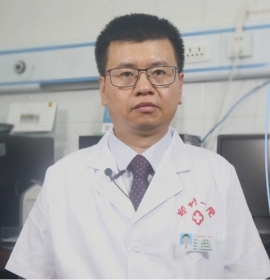
擅长疾病 : 慢性创面修复,如压疮、糖尿病足、静脉性溃疡、放射性溃疡、开胸手术后切口不愈合、皮肤肿瘤、外伤后骨外露等。各种瘢痕及溃疡。
中华医学会烧伤、医学美容整形专业会员,海南省医学会烧伤整形专业委员会常委兼秘书,海南省医学会烧伤整形专业委员会主要发起人之一。 1988年海南大学医学部毕业,一直从事烧伤救治、创面修复、瘢痕整形的临床医疗工作和科研,为具有烧伤外科专业、整形外科专业资格的执业医师。
大面积危重烧伤救治,各种原因烧烫伤,皮肤瘢痕整形,各种难愈创面的治疗如慢性溃疡、外伤后皮肤软组织缺损、糖尿病足等。
长期从事美容、整形及烧伤专业的临床、教学及科研工作,尤其擅长于体表肿瘤的诊治、瘢痕防治、精于各类美容整形手术、烧伤治疗和创面处理等。
伤口世界平台生态圈,以“关爱人间所有伤口患者”为愿景,连接、整合和拓展线上和线下的管理慢性伤口的资源,倡导远程、就近和居家管理慢性伤口,解决伤口专家的碎片化时间的价值创造、诊疗经验的裂变复制、和患者的就近、居家和低成本管理慢性伤口的问题。
2019广东省医疗行业协会伤口管理分会年会
扫一扫了解详情:
任何关于疾病的建议都不能替代执业医师的面对面诊断。所有门诊时间仅供参考,最终以医院当日公布为准。
网友、医生言论仅代表其个人观点,不代表本站同意其说法,请谨慎参阅,本站不承担由此引起的法律责任。