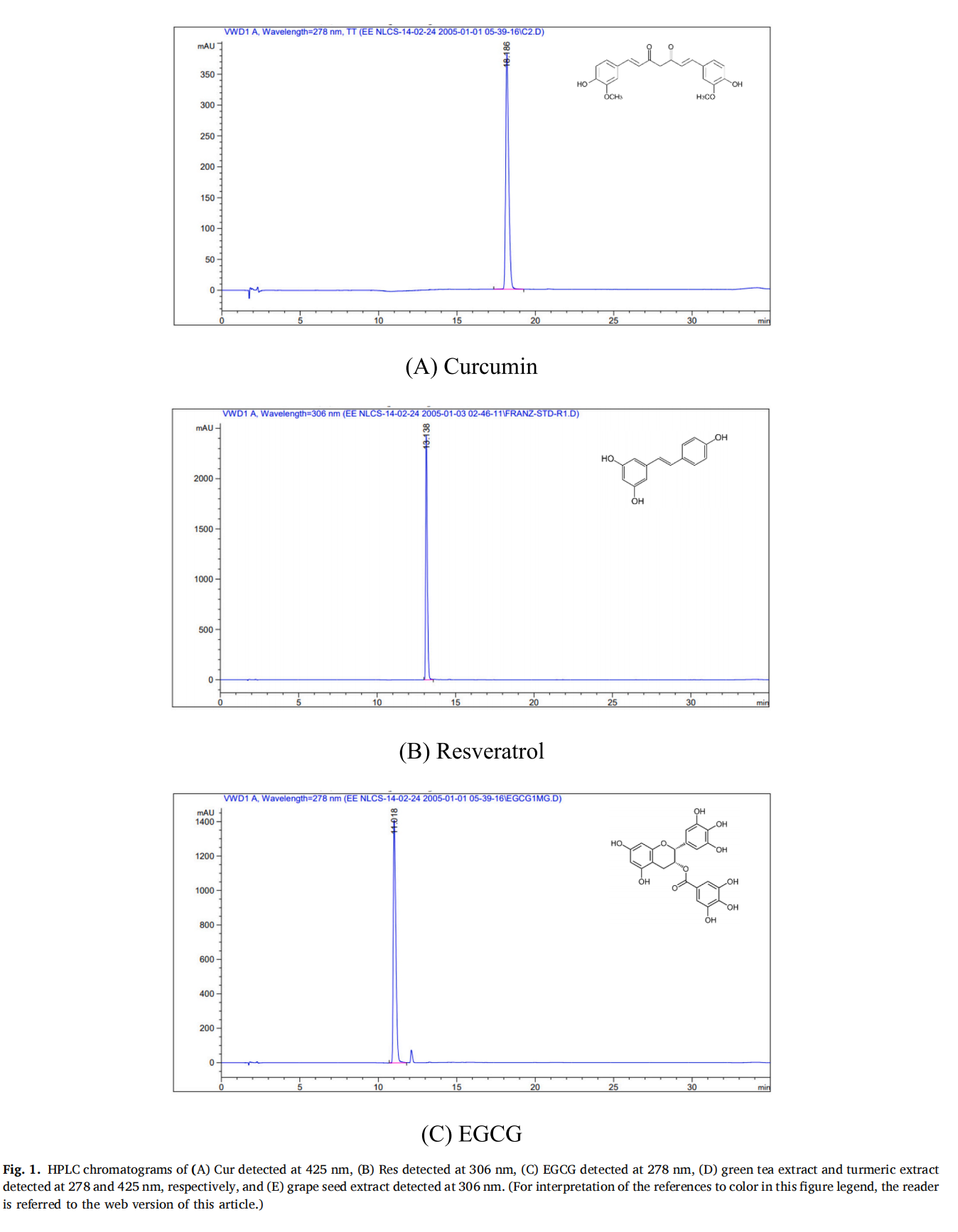
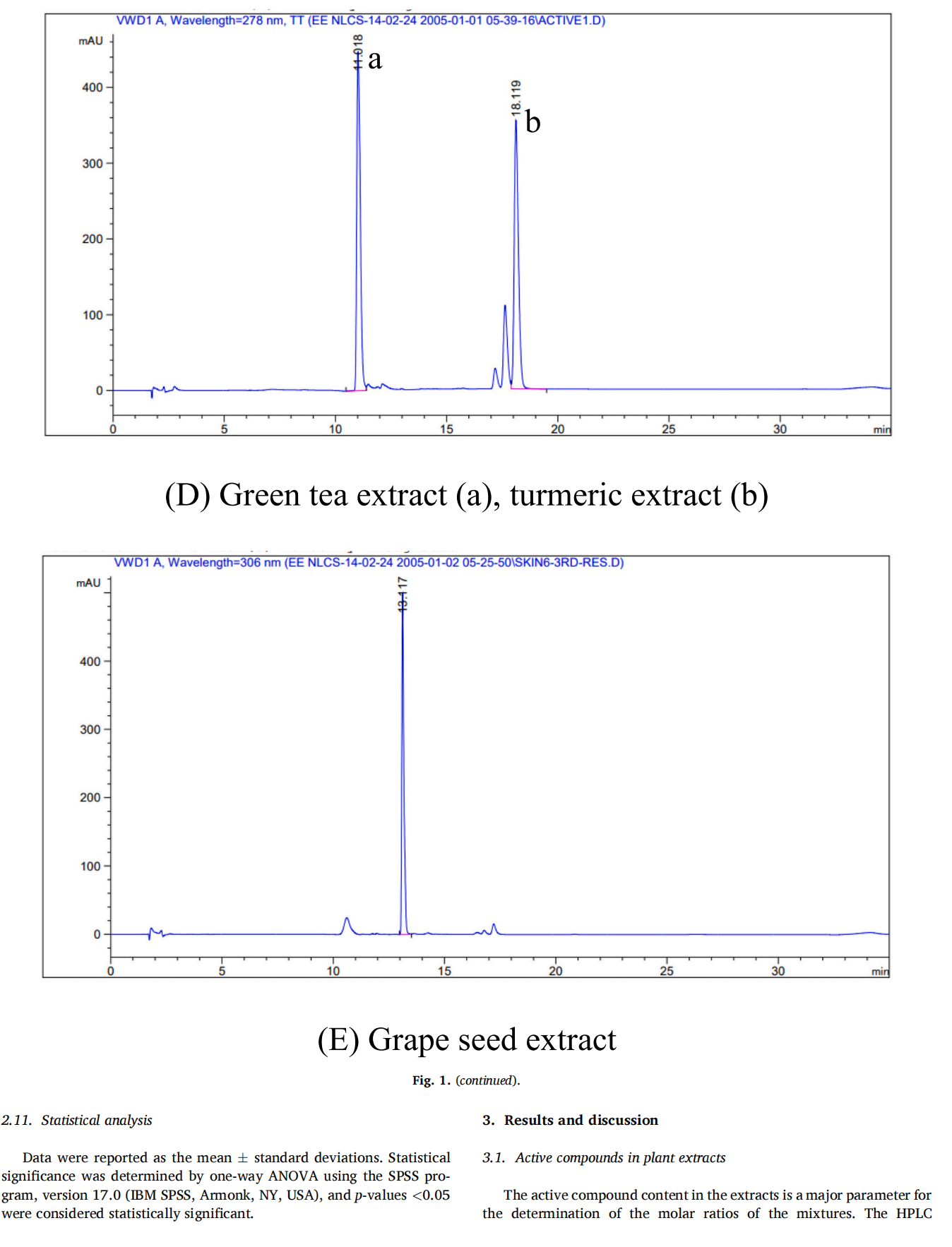
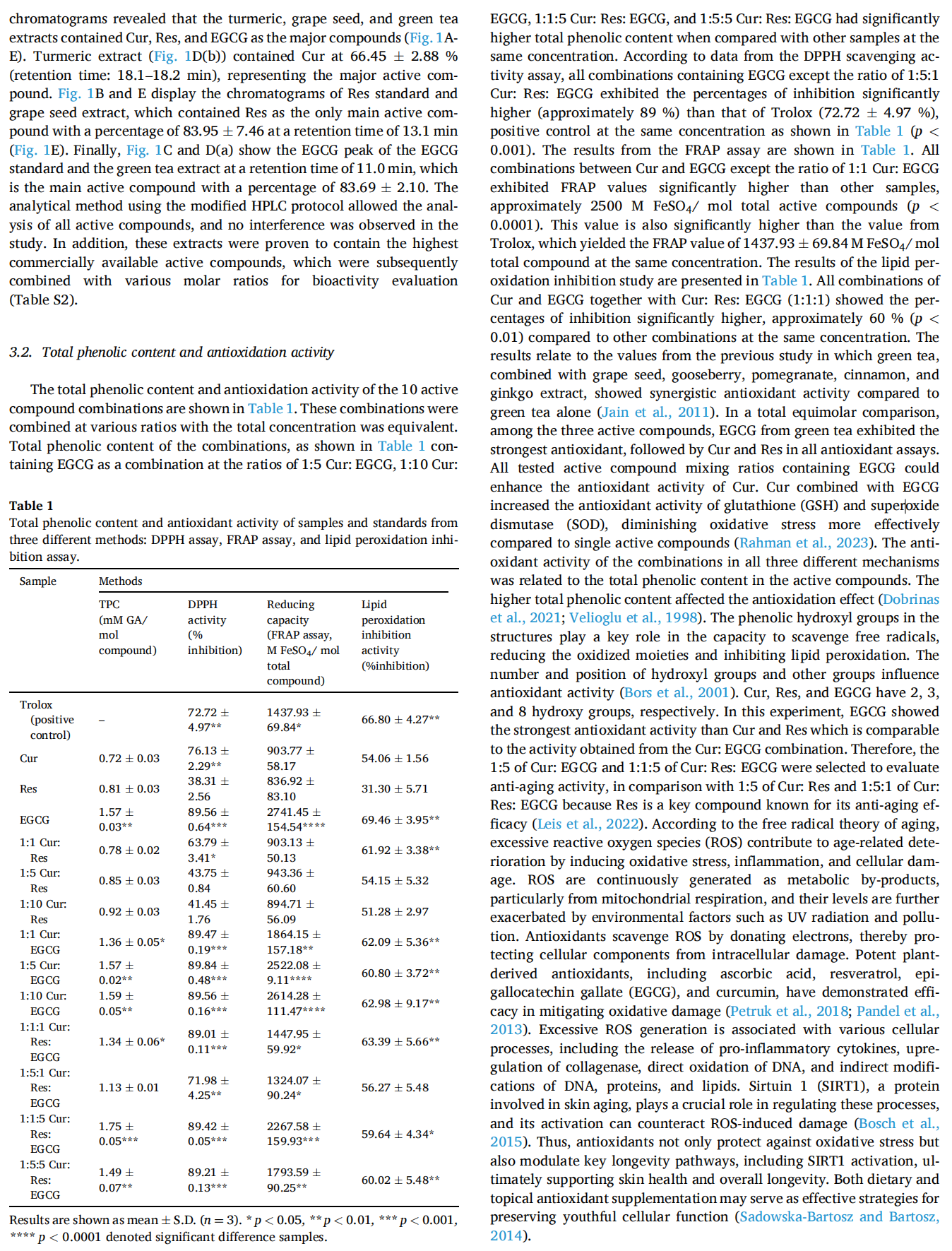
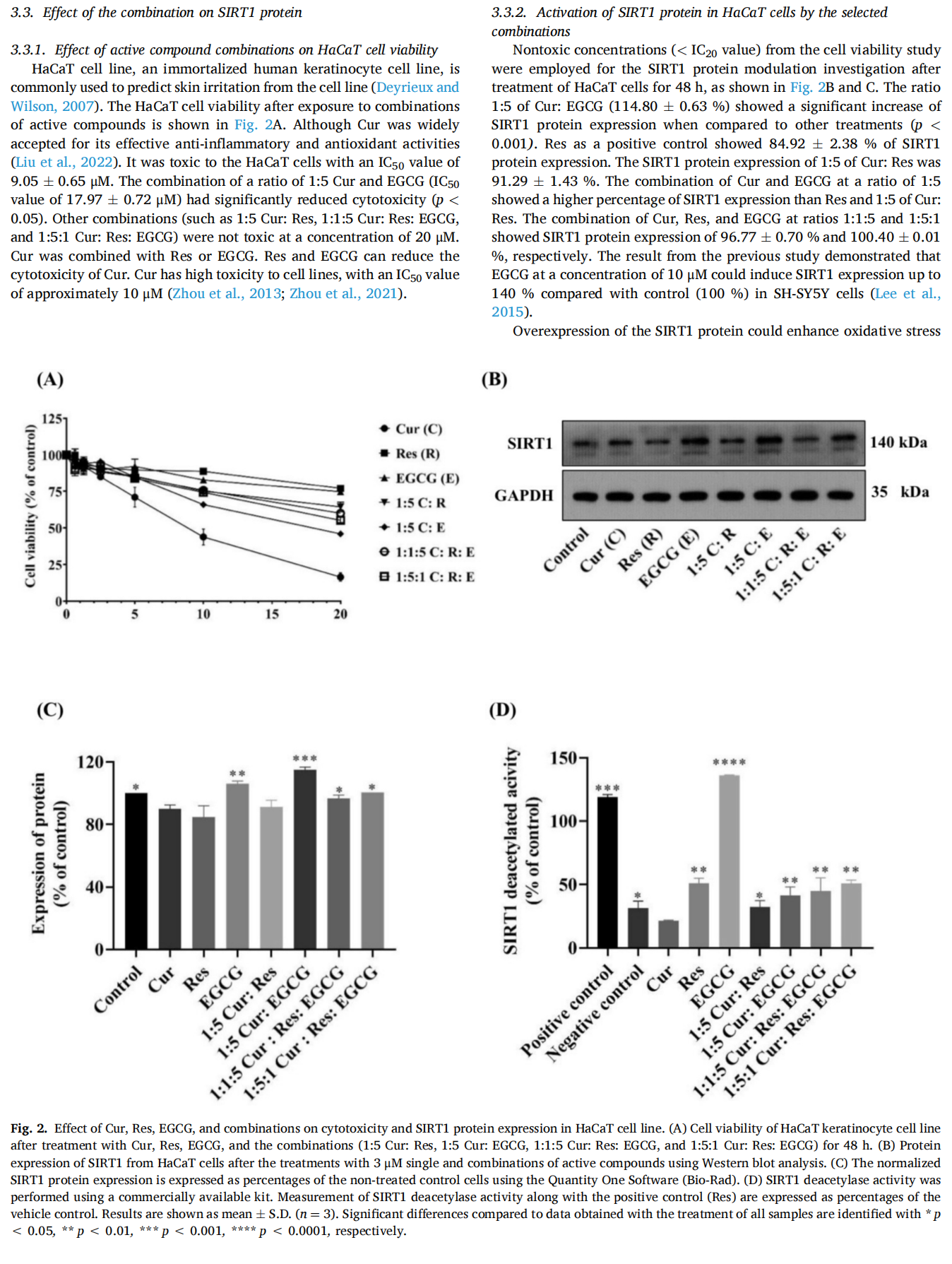
This article is excerpted from the International Journal of Pharmaceutics: X 9 (2025) 100323 by Wound World.

Chidchanok Prathumwon a , Songyot Anuchapreeda b , Kanokwan Kiattisin a , Pawaret Panyajai b , Panikchar Wichayapreechar d , Young-Joon Surh e , Chadarat Ampasavate a,c,*
a Department of Pharmaceutical Sciences, Faculty of Pharmacy, Chiang Mai University, Chiang Mai 50200, Thailand
b Division of Clinical Microscopy, Department of Medical Technology, Faculty of Associated Medical Sciences, Chiang Mai University, Chiang Mai 50200, Thailand
c Center for Excellence in Pharmaceutical Nanotechnology, Faculty of Pharmacy, Chiang Mai University, Chiang Mai 50200, Thailand
d Department of Cosmetic Sciences, School of Pharmaceutical Sciences, University of Phayao, Phayao 56000, Thailand
e College of Pharmacy, Seoul National University, Seoul 151-741, South Korea
Corresponding author at: Department of Pharmaceutical Sciences, Faculty of Pharmacy, Chiang Mai University, Chiang Mai 50200, Thailand.
E-mail address: 该Email地址已收到反垃圾邮件插件保护。要显示它您需要在浏览器中启用JavaScript。 (C. Ampasavate).
ABSTRACT
Curcumin (Cur) and epigallocatechin gallate (EGCG), the primary active compounds in turmeric and green tea, respectively, have been investigated for their anti-aging potential. The Cur and EGCG combination was encapsulated in sustained-release nanostructured lipid carriers (NLCs) to enhance their bioactivities and pharmaceutical properties. A significant enhancement in the antioxidant activities of the Cur and EGCG combination was observed at an optimal ratio, as demonstrated by the 2,2-diphenyl-1-picrylhydrazyl radical scavenging assay (118.83 ± 3.78 %), ferric ion reducing antioxidant power assay (217.25 ± 13.45 %), and lipid peroxidation inhibition assay (106.08 ± 12.93 %), compared to Cur alone without compromising the antioxidant activities and total phenolic content of EGCG. This is due to the enhancement of total phenolic content of the combination of 218.83 ± 10.57 %. For anti-aging activities, the combination exhibited stimulation of SIRT1 protein and inhibition of collagenase and elastase of 27.53 ± 0.73 %, 43.70 ± 1.05 % and 51.76 ± 6.52 % compared with that achieved with Cur alone, respectively. The incorporation of the Cur and EGCG combination into NLCs resulted in high entrapment efficiencies of 98.60 ± 0.05 % for Cur and 98.40 ± 0.08 % for EGCG, with corresponding loading capacities of 0.789 ± 0.001 % and 3.935 ± 0.003 %, respectively. When formulated NLCs into an emulgel base, the system demonstrated sustained release profiles over 48 h, with 12.82 ± 0.99 % release of Cur and 63.77 ± 5.76 % release of EGCG. Significant skin retention was also observed after 24 h, with 23.88 ± 1.71 % Cur and 22.79 ± 4.65 % EGCG retained in the skin. Therefore, Cur: EGCG-loaded NLCs in emulgel can deliver the active compounds into the dermis, enhancing skin penetration, sustained delivery, and anti-aging activity superior to each conventional single active compound in topical formulations.
ARTICLE INFO
Keywords: Curcumin Epigallocatechin gallate SIRT1 Anti-aging HaCaT cells Nanostructured lipid carriers Skin
This article is excerpted from the International Journal of Pharmaceutics: X 9 (2025) 100323 by Wound World.