本文转载于International Wound Journal, 2025; 22:e70795,不代表本网站赞同其观点和对其真实性负责,我们只作于阅读分享,非商业用途,如若侵权,请告知删除。
George Theodorakopoulos1,2,3,4,5,6 | David G. Armstrong7,8,9
1Wound and Foot Specialist, Athens, Greece | 2Technological Educational Institute of Patras, Patras, Greece | 3Queen Margaret University, Edinburgh, UK | 4University of West Attica, Aigaleo, Greece | 5University of Thessaly, Larisa, Greece | 6National and Kapodistrian University of Athens, Athens, Greece | 7Southwestern Academic Limb Salvage Alliance (SALSA), Los Angeles, California, USA | 8Center to Stream Healthcare in Place (C2SHiP), Alexandria, Virginia, USA | 9Keck School of Medicine, University of Southern California, Los Angeles, California, USA
Correspondence: George Theodorakopoulos (该Email地址已收到反垃圾邮件插件保护。要显示它您需要在浏览器中启用JavaScript。)
Received: 27 June 2025 | Revised: 29 October 2025 | Accepted: 6 November 2025
ABSTRACT
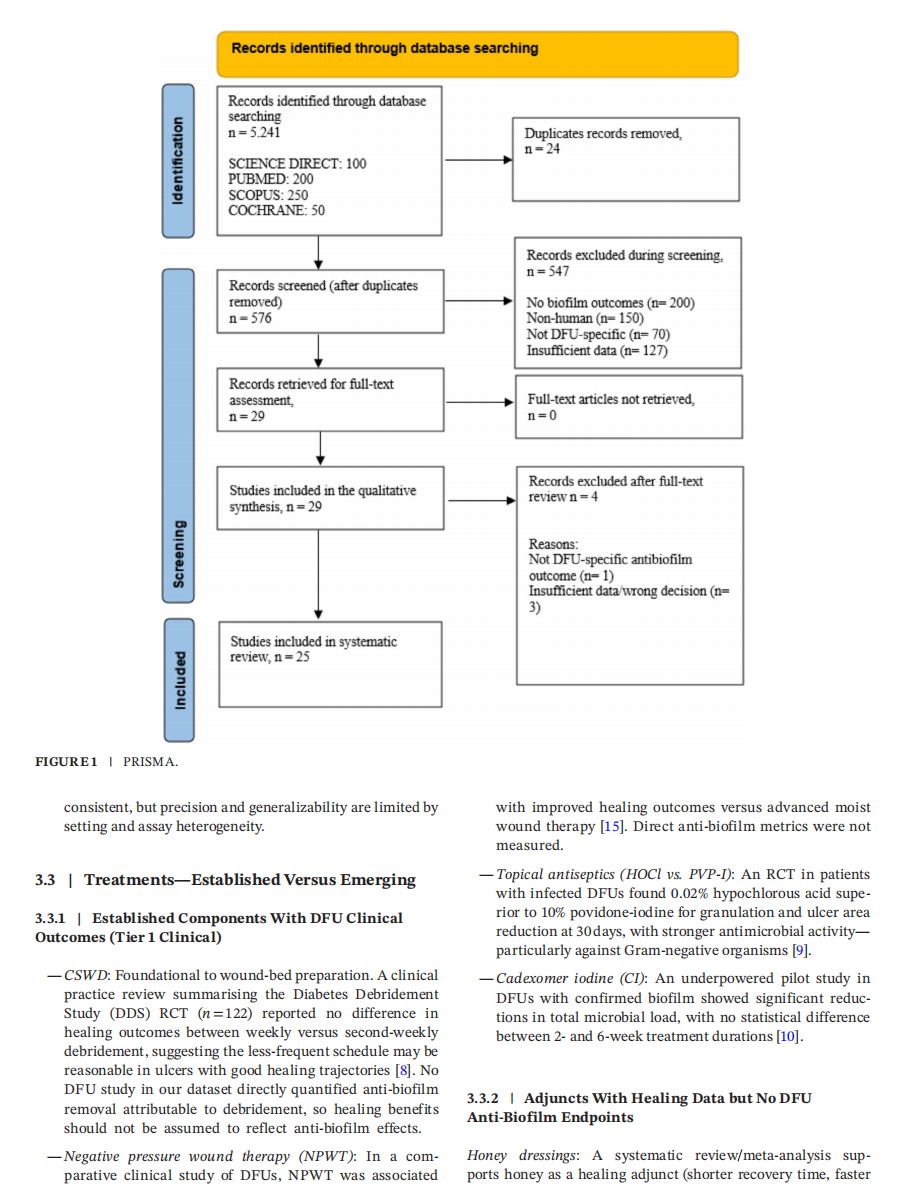
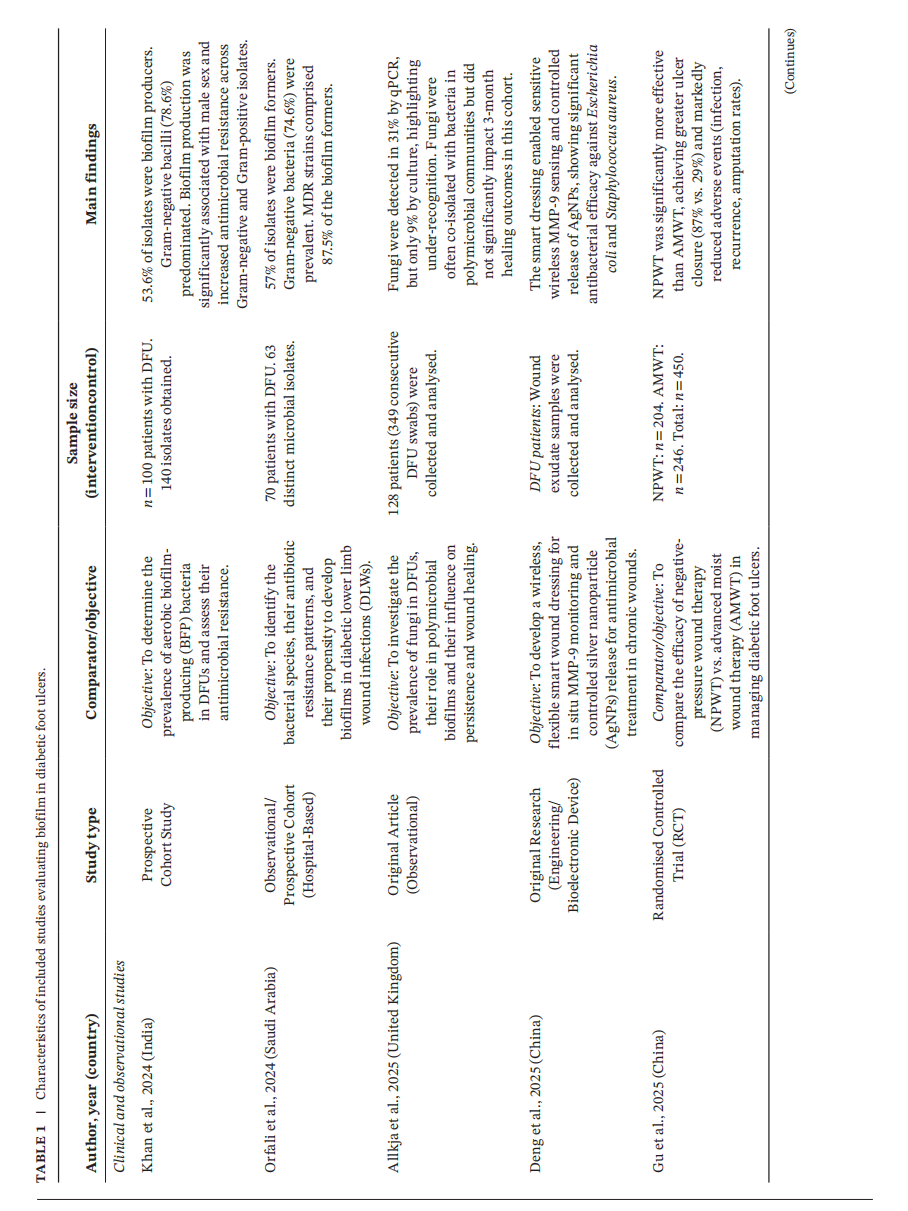
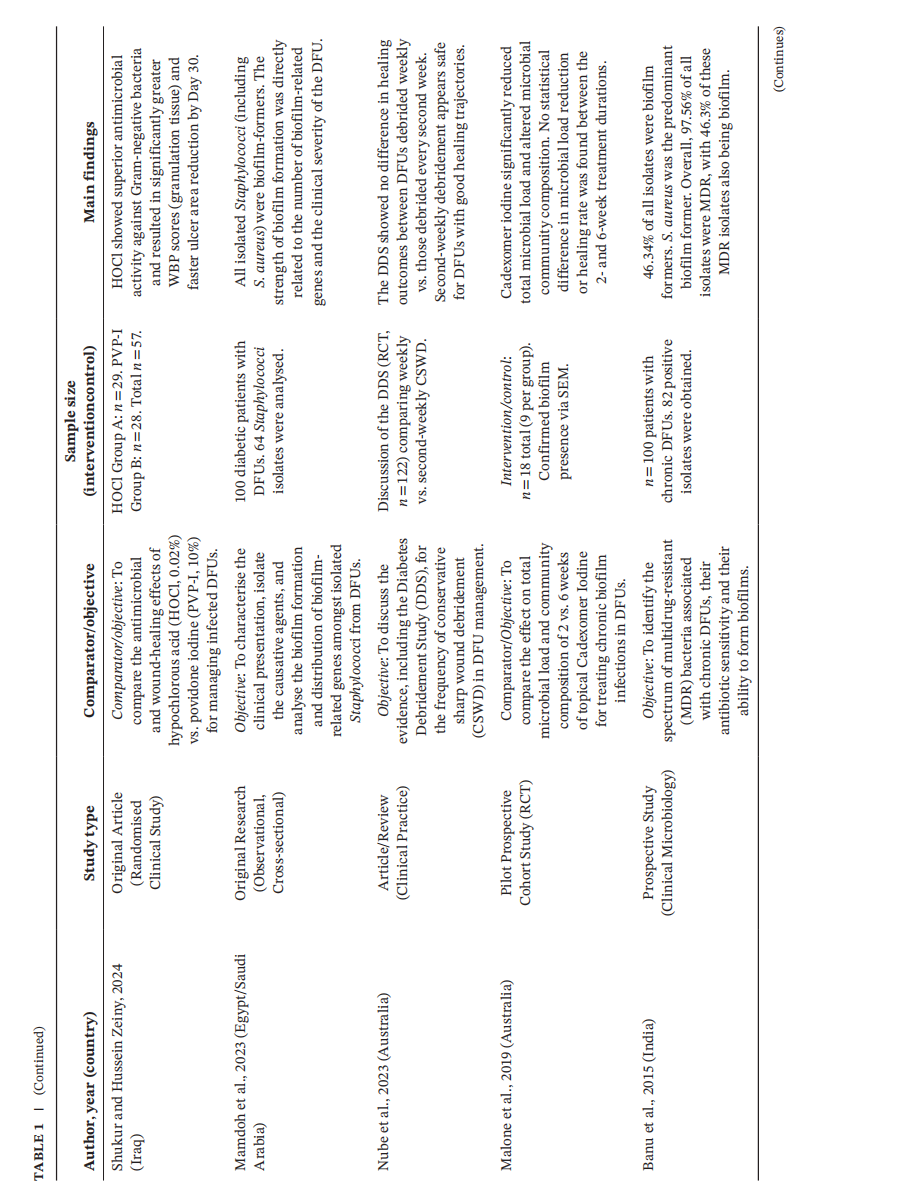
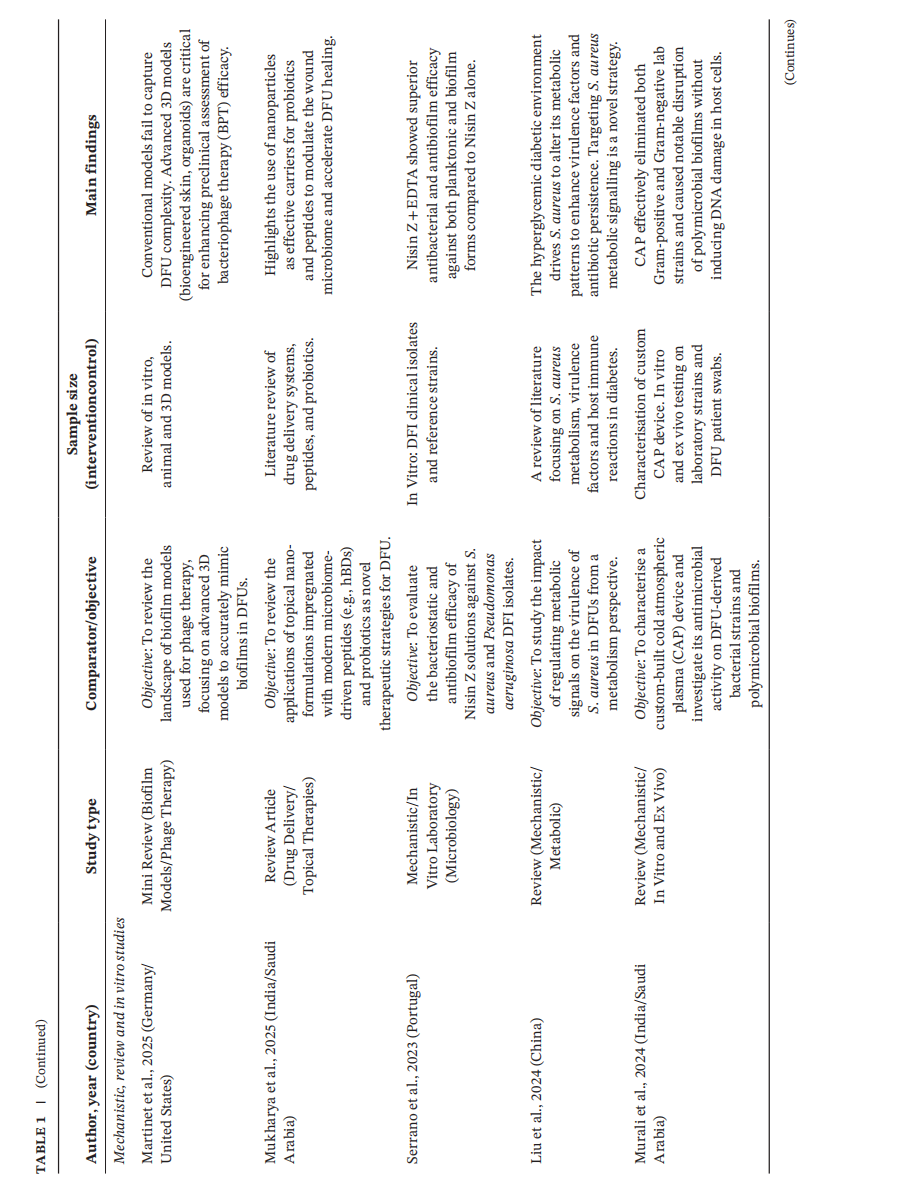
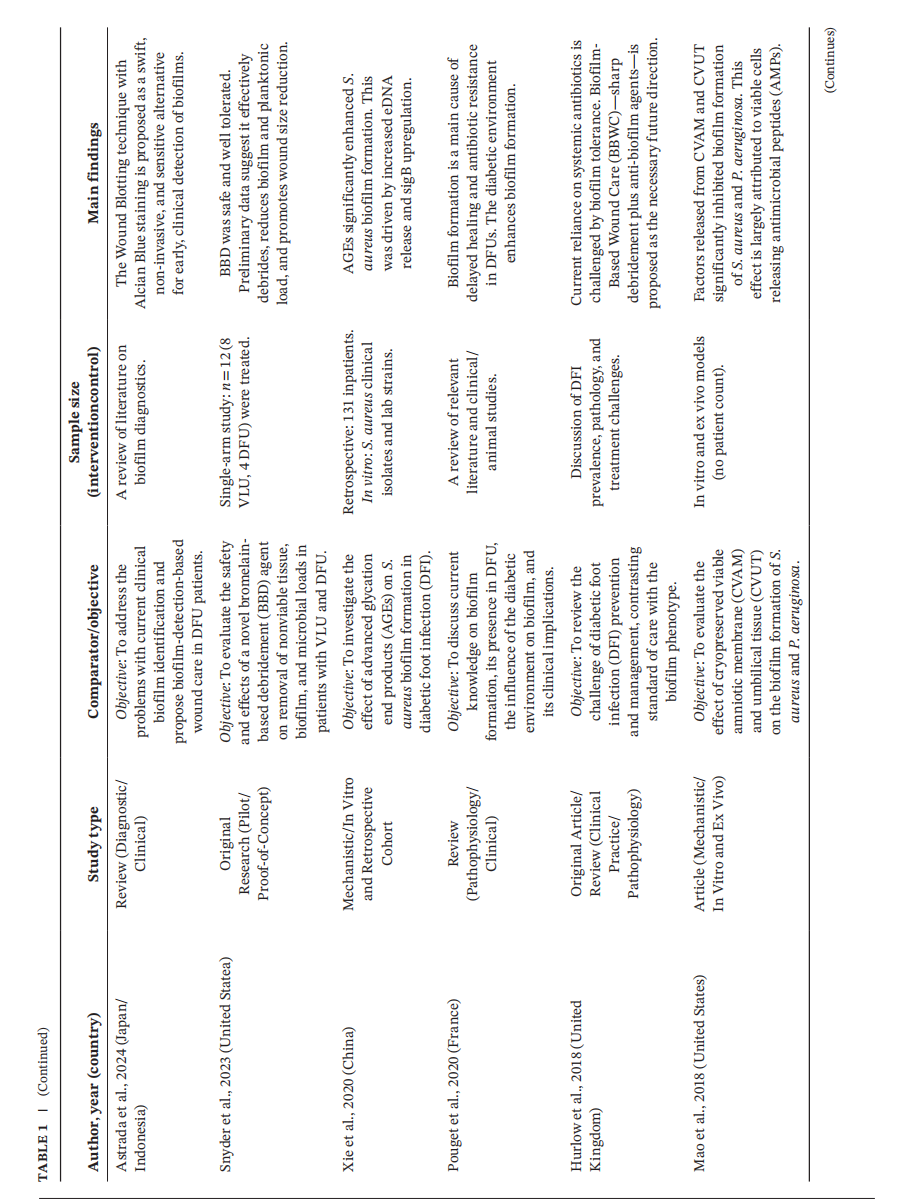
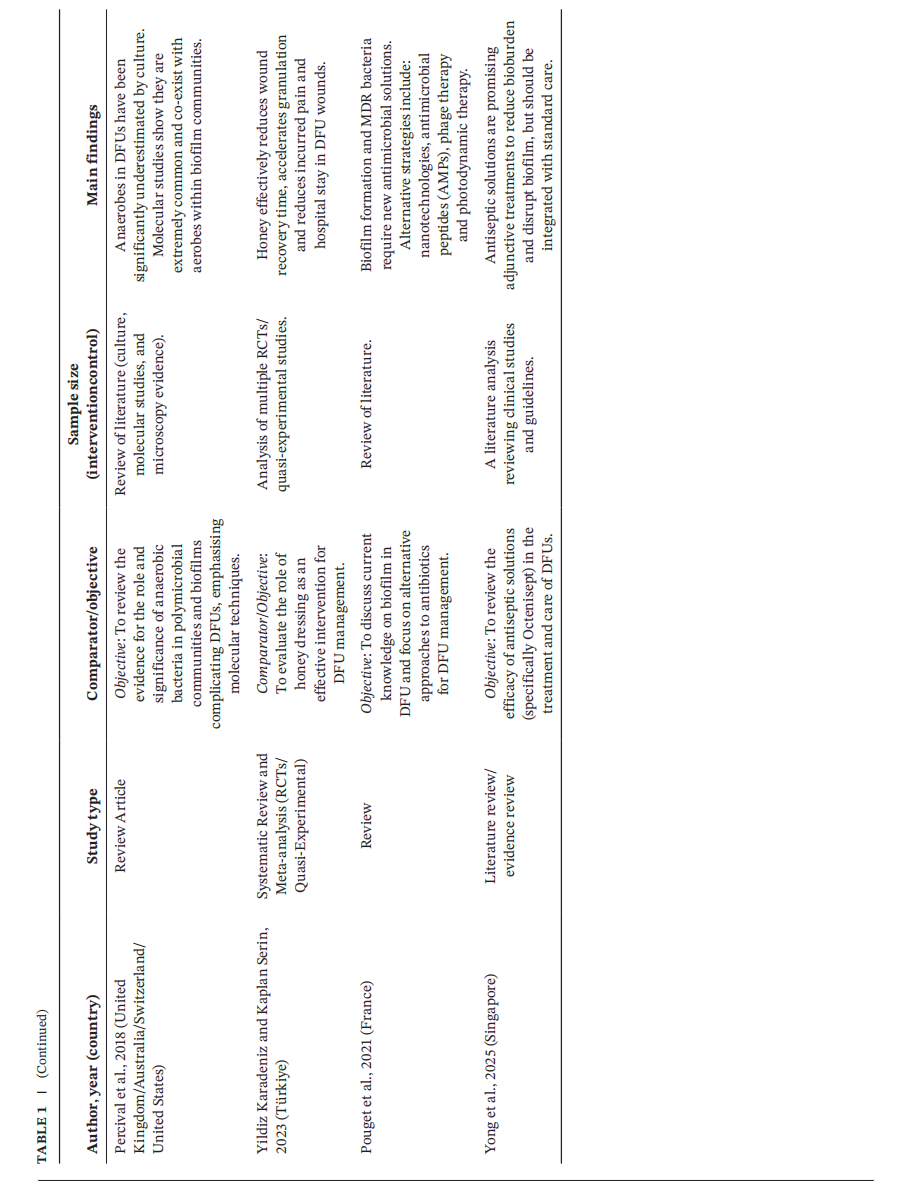
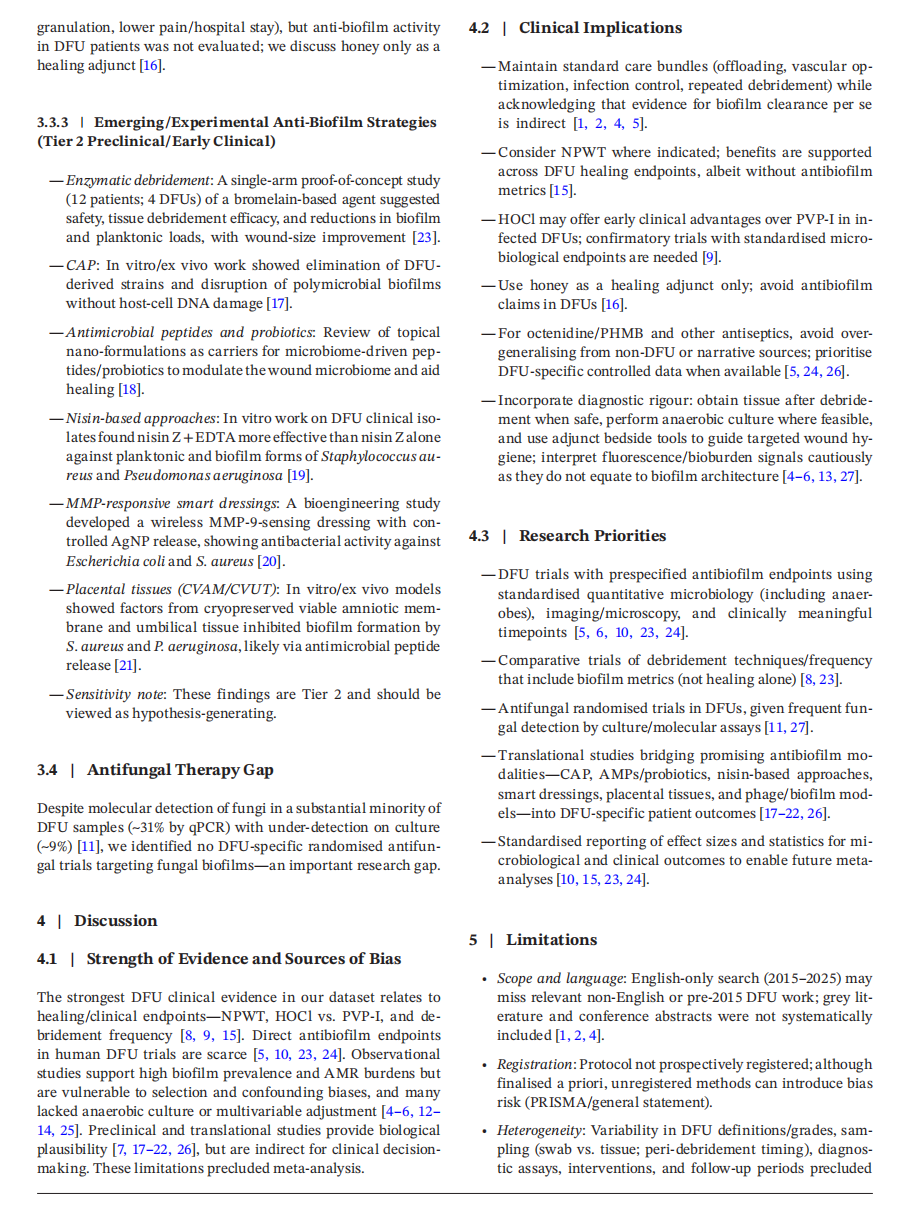
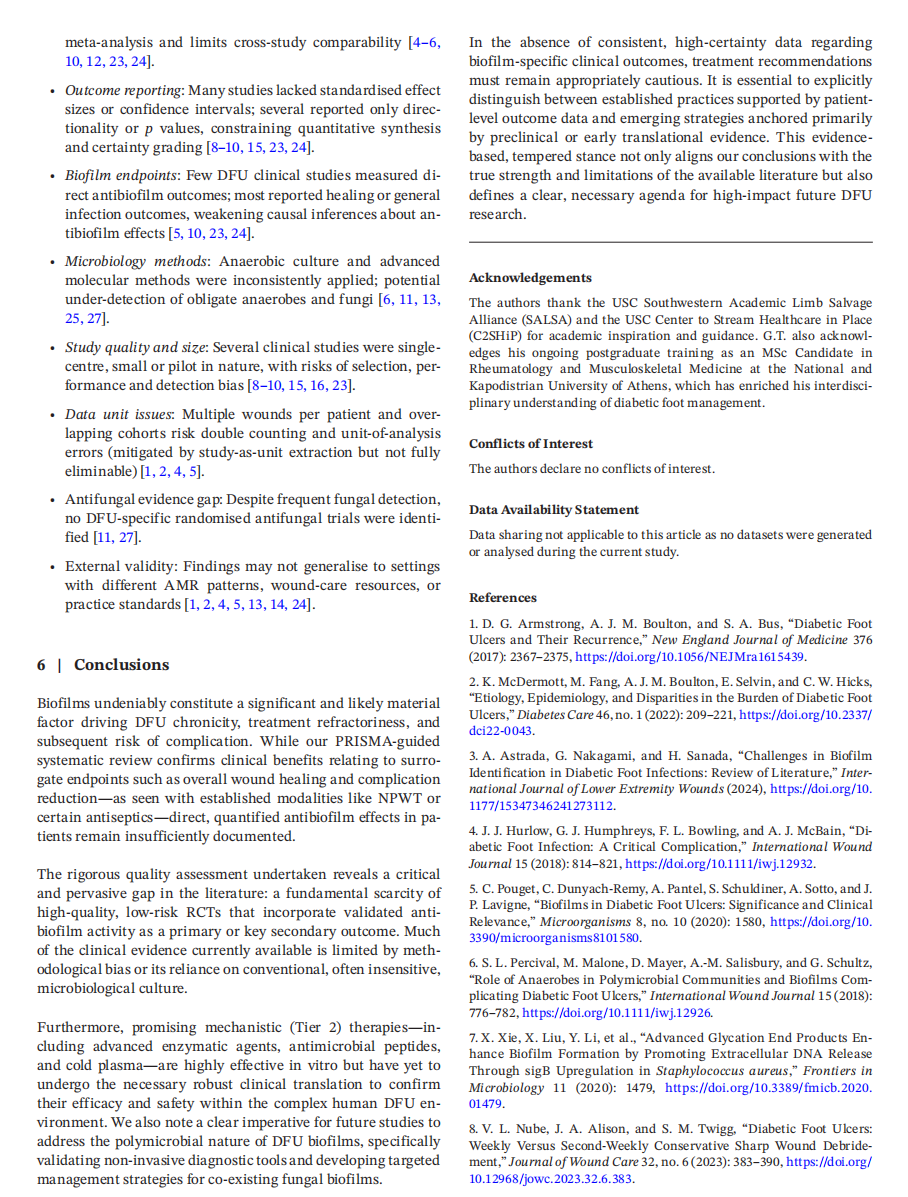
Biofilms are a key driver of chronicity and treatment failure in diabetic foot ulcers (DFUs), yet clinical evidence quantifying their impact and management remains fragmented. This systematic narrative review synthesised recent evidence (2015–2025) on the prevalence, diagnostics, and management of biofilm in DFUs. A Systematic Review of the Literature (SRL) was conducted following PRISMA 2020 guidelines across PubMed/MEDLINE, Scopus, Cochrane Library and ScienceDirect. Eligible studies included adults with DFUs reporting biofilm/bioburden metrics or interventions aimed at biofilm disruption. Risk of bias was assessed using RoB 2 for randomised trials and ROBINS-I for non-randomised studies. Data were narratively synthesised by evidence tier (Tier 1=clinical; Tier 2=preclinical/mechanistic). Of 600 records screened, 25 studies met inclusion criteria (Tier 1 n=9; Tier 2 n=5; reviews n=11). Over half of bacterial isolates in DFUs were biofilm producers, with multidrug resistance exceeding 90% in several cohorts. Fungi were detected in 31% of ulcers by qPCR but only 9% by culture. Tier 1 clinical evidence supports standard care components—debridement, antiseptics, and negative-pressure wound therapy—for improved healing, though direct anti-biofilm outcomes remain limited. Emerging strategies (enzymatic agents, peptides, cold plasma, smart dressings) show promise in vitro but lack clinical translation. Evidence for direct antibiofilm efficacy in DFUs remains scarce. Current data justify maintaining guideline-based care while prioritising trials that integrate validated biofilm endpoints, standardised microbiological methods, and antifungal components. Distinguishing established from experimental approaches is essential to advancing safe, evidence-based biofilm management in DFUs.
本文转载于International Wound Journal, 2025; 22:e70795,不代表本网站赞同其观点和对其真实性负责,我们只作于阅读分享,非商业用途,如若侵权,请告知删除。